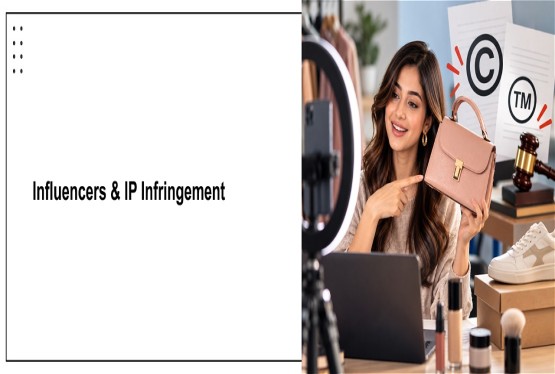
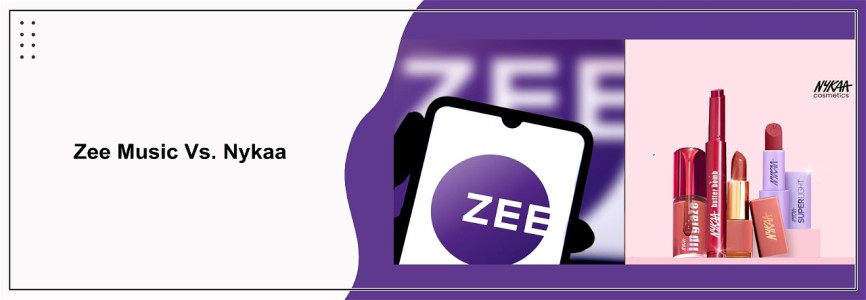



One of the most talked-about business conflicts in India, Zee Music v. Nykaa, has arisen from the meeting point of intellectual property law and digital marketing. The case is being heard in the Delhi High Court as Zee Entertainment Enterprises Ltd. sues FSN E-Commerce Ventures Ltd. The layman is well-aware of the Zee Music versus Nykaa case, which is about the unauthorized use of copyrighted music by a big e-commerce company in its promotional Instagram Reels. The case is now under consideration but has become rather historic since it has come to raise an essential question that has not been addressed before. The outbreak of the rapid popularity of short videos did not allow answering this question:
If the social network provides a commercial account access to a free music library, does it mean the right to use it for advertising purposes? Nevertheless, this case is not only important for the two parties of the conflict but also for the whole group of marketers, brands, content producers, and influencers that took no responsibility for using the in-app music libraries.
Legal Background
Zee Music v. Nykaa is a prominent case in India that involves the intersection of intellectual property laws and digital marketing. The case is currently in the high court where Zee Entertainment Enterprises Ltd. is suing FSN E-Commerce Ventures Ltd. The public is quite familiar with the Zee Music versus Nykaa case since it relates to the illegal usage of copyrighted music in promotional Instagram Reels by the e-commerce giant.
The case is still in process, but it is already becoming of a historical significance, since it raises a vital issue that had not been discussed previously. The rapid rise of popularity of short videos prevented to express this question: if the social network gives business accounts access to a free music library, does it mean that they have a right to use that library in advertising? However, the case is also significant for the community of marketers, brands, content producers and influencers who have always supposed to be defenseless against those sections of copyright issues.
Facts of The Case
In April 2026, Zee Entertainment Enterprises Ltd. initiated a civil lawsuit before the Delhi High Court against FSN E-Commerce Ventures Ltd., the parent company of Nykaa, India’s biggest retailer in beauty, wellness, and fashion industry. Zee’s complaint, consisting of multiple pages with different screenshots, accused Nykaa of using twelve audio recordings, owned by Zee, in the background music of Instagram reels for marketing purposes, without getting any license or permission for any commercial usage. Zee claimed that this was a clear case of commercial exploitation rather than incidental usage.
It’s pertinent that Nykaa has also filed an application to include Meta as a party in the litigation, arguing that the implication of this platform in enabling the companies to access the music library for their commercial purpose shall, if permitted, broaden the scope of the case significantly.
Legal Provisions Involved
The Copyright Act, 1957 contains a number of provisions which are relevant to the dispute.
-
Section 14(e): describes the various rights of the owner of a sound recording, which includes the right to communicate the said sound recording to the public or sell, lend for commercial purposes or make available for lending a copy of the sound recording.
-
Section 51: explains the circumstances under which copyright is said to be infringed. Under Section 51(a)(i), an infringement occurs if a person does anything which is the exclusive right of a copyright owner without a license granted by the owner. Section 51(a)(ii) expands the scope of liability to a person who authorises the use of any place for the communication of the work for profit even if the communication amounts to an infringement provided that such a person was ignorant and had no reasonable ground for believing that the communication would cause an infringement
-
Section 55: provides for remedies in case of infringements such as injunction, damages and accounts of profits
-
Section 31D: which relates to statutory licenses for broadcasting, has previously been ruled upon in cases such as Tips Industries v. Wynk Music, which has held that this does not apply to on-demand streaming services, thereby reaffirming the legal position that parties (platforms and other users downstream from them) cannot take advantage of statutory licenses as a means of avoiding the need for permission from rights holders.
In addition to the Copyright Act, the matter also brings to the fore issues of contract law, as the interpretation of the Meta-Zee licensing contract and any potential breaches of the same is a matter of legal interpretation, which has important implications for the liability of Nykaa as a third-party user. Additionally, there are arguments in support of the applicability of synchronization rights even while the term is mostly used in relation to countries such as the United States.
Importance of The Case
The importance of Zee v. Nykaa goes far beyond the twelve reels and the paltry amount involved in the dispute. Firstly, it tackles a common yet unanalysed commercial practice: the everyday activity of brands and business accounts using "free" in-app music libraries for marketing purposes. Professionals in the industry have indicated that a large portion of marketers integrates apps like Instagram into campaigns. In many cases, brands and their agencies operate believing that any track which can be accessed through the music selector on Instagram is available for unregulated use.
This case contradicts this misleading idea and shows that Indian courts will hold businesses to a higher degree of diligence compared to individual users. The second important aspect of the case is the complicated and unclear licensing structures. Music record companies license their catalogs to companies like Meta according to specific terms that differentiate between personal and commercial use, but very often these distinctions are not apparent to the average user who selects the music from the in-app library.
Judgement of The Case
The Delhi High Court has not yet arrived at a final decision regarding the issues raised in Zee v. Nykaa litigation as of date. The matter is still pending, although interim actions are in progress. Nykaa has removed the disputed Reels and made an application to include Meta in the proceedings, such application, if acceded to, will alter the nature of the litigation.
The Delhi High Court has expressed its willingness to extend interim relief, including restraining orders from continuing infringement, if needed in the Zee-related proceedings in accordance with its previous decisions in similar disputes (e.g. Tips Industries v. Wynk Music). In the light of the current procedural position, any assessment of the final outcome must be tentative and no conclusion on the “judgment” stage should be drawn as of now.
Future Aspects of The Case
Zee v. Nykaa case will have a long-lasting impact irrespective of its conclusion on the way Indian brands, advertising agencies, and social media influence music licensing. If the judgment comes out in favour of Zee, Meta and other similar platforms would have to implement the clear technical differentiation between personal and business accounts in their music libraries and possibly come up with different licensing systems for both account types.
The brands might have to audit their past marketing activities, and they would have to include music clearance as one of the points in their marketing checklists similar to image and trademark clearances. On the other hand, if the litigation ends up with Meta as a co-defendant accountable for not having developed the necessary protections separating personal use from commercial use, it might change the rules of the liability of the platforms in India similar to intermediary liability discussions based on the Information Technology Act, 2000.
Conclusion
While the Zee Entertainment v. Nykaa legal battle, pending at the Delhi High Court, remains to be decided, it has already found a place in India’s digital copyright law as a significant case for the country. The case highlights the conflict that the unregulated expansion of short videos in India has created. That is, there exists a difference between the availability of certain material on a particular platform from the legal perspective of authorized use.
Regardless of whether Nykaa will be held liable for copyright infringement in the case, it has already served an important purpose. It has provided a lesson for Indian businesses, copyright owners, platforms, and influencers that complex licensing structures come with serious legal implications, and ignorance of the terms of the licence does not excuse the infringement.


_(b)_of_the_Trademark_Act,_1999_(1)_crop10_thumb.jpg)


_crop10_thumb.jpg)


_crop10_thumb.jpg)
_crop10_thumb.jpg)


_crop10_thumb.jpg)


_crop10_thumb.jpg)


_crop10_thumb.jpg)


_crop10_thumb.jpg)


_crop10_thumb.jpg)


_crop10_thumb.jpg)


_crop10_thumb.jpg)


_crop10_thumb.jpg)


_crop10_thumb.jpg)








_crop10_thumb.jpg)


































_crop10_thumb.jpeg)