



Investment advice can have an effect on a person’s savings and financial goals. A recommendation to buy a security change a mutual fund portfolio. Follow a particular investment strategy may influence decisions involving substantial money. For this reason India regulates people who provide investment services.
A common question is whether everyone who discusses investments needs to register with the Securities and Exchange Board of India (SEBI). The answer is no. Registration generally becomes mandatory when a person carries on the business of providing investment advice for consideration or presents themselves as an investment adviser unless a specific exemption applies. The nature of the service matters more than the title used.
What is investment advice?
Investment advice includes guidance about investing in, purchasing, selling or otherwise dealing in securities. It also covers advice on an investment portfolio containing securities. Can include financial planning. The advice may be given in person by telephone in writing or through a platform.
Consider the difference between explaining how mutual funds work and advising a client to invest an amount in selected funds based on their income, goals and risk tolerance. The first is information. The second is a recommendation intended to guide that client’s investment decision. A service does not fall outside the rules simply because it is delivered through an app, email, video call or messaging platform. Its content, intended audience and commercial arrangement must be examined.
Is investment adviser registration mandatory in India?
A person who acts as an investment adviser or holds themselves out as one must generally obtain SEBI registration before providing the service unless an exemption applies. This requirement can cover individuals well as firms, LLPs and companies. Registration is relevant when investment advice is offered as a business for consideration. The adviser may charge a fee include advisory services in a wider paid package or use another commercial arrangement.
Calling a service " coaching" or "wealth guidance" does not settle its regulatory status if clients are receiving investment advice. An application that is still being processed is not a registration certificate. A person planning to start an advisory business should establish the applicable requirements and obtain registration before commencing that activity.
Who generally needs investment adviser registration?
Individuals offering advice
An individual who regularly advises clients about securities or investment portfolios for a fee will generally need to assess the registration requirement. This may include recommending investments after reviewing a client’s income, liabilities, financial goals, existing holdings and capacity to bear risk.
The advice does not have to include a share name in every conversation. A paid service that tells clients how to allocate money across securities or funds may also amount to investment advice. The full client experience should be considered, including consultations, written plans and follow-up recommendations.
Firms, LLPs and companies
A business providing investment services cannot rely solely on the qualifications of its founder or employees. The entity offering the service must examine its registration position. It must also identify the officer and people associated with investment advice and ensure that the applicable professional requirements are met.
This is particularly important when a business provides than one financial service. An entity involved in product distribution, research or another regulated activity should define which services it offers and who is responsible for each one. Registration in one capacity does not automatically authorise every type of investment-related service.
Digital platforms and automated advice providers
A platform may provide investment advice if it collects information about users and generates investment recommendations for them. The fact that software produces the recommendation does not remove the need to consider registration.
For example an app that asks about a user’s age, income and goals before recommending an investment portfolio presents a regulatory question from a website publishing general articles about investment concepts. A platform operator should review its recommendation process before launching or expanding the service.
Financial planners who advise on securities
Financial planning can involve budgeting, insurance, taxation, retirement goals and investments. A planner who advises clients on securities or portfolios containing securities should examine whether their work falls within the investment adviser framework.
The answer depends on the advice provided. A financial planner cannot rely on the breadth of the term " planning" to avoid registration when a significant part of the paid service involves securities recommendations.
Who may be exempt from registration?
The investment adviser regulations recognise exemptions for people whose investment-related advice is connected to another primary activity. These exemptions are conditional. They should not be interpreted as permission to run an investment advisory business without registration.
Mutual fund distributors
A mutual fund distributor may provide advice that's incidental to their primary distribution activity, subject to applicable conditions. A distributor who starts selling a paid portfolio advisory service should reassess whether that new activity requires investment adviser registration. The distinction also matters to clients. They should understand whether a person is acting as a distributor providing an advisory service or performing another role.
Insurance agents and pension advisers
Insurance agents and pension advisers may offer guidance connected to the products and services within their roles. Their exemption should be assessed in that context. Advising broadly on a client’s shares, mutual funds and securities portfolio as a business may require a different regulatory assessment.
Lawyers and specified professionals
Lawyers, chartered accountants, company secretaries and members of other specified professional bodies may provide investment-related advice incidental to their professional services without separate investment adviser registration, subject to the applicable conditions.
The word incidental is important. If a professional discusses investment implications while carrying out an accounting engagement the activity may differ from advertising standalone portfolio advice to paying clients. Professionals should review how the service is marketed, billed and delivered before relying on an exemption.
Other registered financial intermediaries
registered stock brokers, portfolio managers, merchant bankers and fund managers may provide advice incidental to their primary regulated activity. Whether an exemption applies depends on the activity and the conditions attached to it.
For example a fund manager explaining a fund’s investment approach in the course of their work is in a different position from someone establishing a separate service to advise individuals on their personal portfolios. The existing registration should not be treated as a blanket permission for advisory work.
Does publishing content require registration?
General educational content made available to the public is different from providing investment advice to a client. An article explaining diversification or a video describing the features of a bond may be intended to inform an audience rather than guide a particular person’s investment decision. However a content business should assess all of its activities together. Public educational videos may be accompanied by paid groups, one-to-one messages or personalised portfolio reviews. Those additional services can change the position.
Adding the words "for purposes only" does not determine the nature of advice that is actually being given. Trading calls also require an assessment. The fact that a trading call may be treated differently under the investment adviser definition does not mean that selling calls is automatically free from securities regulation. The research analyst framework or other rules may be relevant.
Investment adviser registration and research analyst registration
Investment advisers and research analysts perform different functions. An investment adviser generally provides advice that must be considered in light of a client’s circumstances, goals and risk profile. A research analyst typically prepares research or recommendations concerning securities under a regulatory framework.
A business may publish research provide investment education and offer personalised client advice. It should assess each activity separately. Holding registration in one category does not necessarily permit the business to provide every service covered by another category.
What are the main eligibility requirements?
Qualifications and certification
An applicant must review the educational qualification and certification requirements. For a -individual applicant these requirements extend to relevant people such as the principal officer and persons associated with investment advice.
The applicant should examine the duties performed by each person than rely only on their job title. Certificates must also remain valid after registration. Maintaining a record of expiry dates helps avoid gaps in compliance.
Fit and proper status
The applicant and relevant people must meet the fit and proper criteria. SEBI considers whether the proposed adviser is suitable to undertake an activity involving clients’ financial decisions.
Applicants should disclose facts accurately and provide complete supporting information. Incomplete or inconsistent information can delay the application. Raise concerns about the applicant’s governance.
Operating arrangements
An investment adviser needs systems and personnel suitable for the proposed business. These arrangements should support client onboarding, risk profiling, suitability assessment, recordkeeping, disclosures and grievance handling.
A small individual practice and a large digital advisory platform may have operating structures but each must be capable of meeting the obligations relevant to its service. The application should explain how advice will be produced, reviewed and delivered.
Deposit and prescribed charges
The prevailing framework includes a deposit requirement, along, with application, registration and supervisory charges. An applicant should check the amount and payment procedure at the time of filing.
Older checklists may refer to requirements that have since changed. Preparing an application using is therefore essential particularly when budgeting and assembling financial documents.
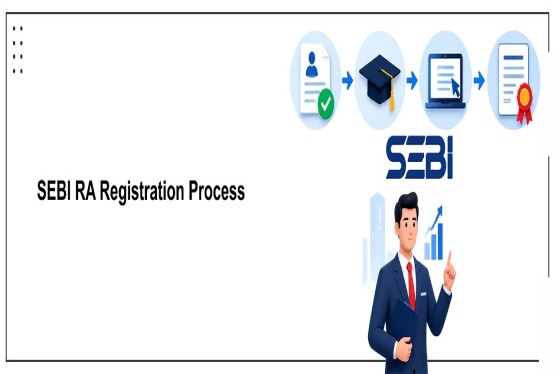
How does the registration process work?
The process begins with defining the proposed business. The applicant should identify its form, services, target clients, delivery channels and revenue model. This makes it easier to determine whether registration is needed and whether any other regulated activity is involved. The next step is to establish that the applicant and relevant personnel meet the eligibility requirements. Supporting documents typically cover identity, legal constitution, ownership or partnership details qualifications, certifications and the proposed operating arrangements.
The application is then submitted through the registration process, including the relevant administrative and supervisory arrangements. The applicant might be asked for information or extra documents. It should respond correctly. Make sure that its website, marketing material and the business description it provides are the same. Registration should be considered finished when the needed approval and certificate have been given. The adviser must then keep following the rules while running the business.
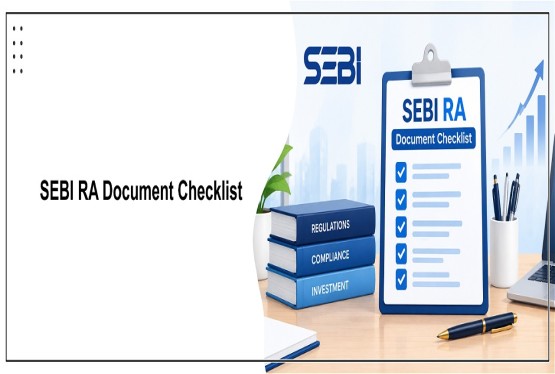
What documents should an applicant get ready?
The exact list of documents depends on whether the applicant's an individual, a firm, an LLP or a company. Generally an applicant should get identity and address records documents where needed details about ownership and management proof of qualifications and certifications and information about the people who will give advice.
The applicant should also be prepared to explain its approach. This includes how it will bring in clients check risk decide suitability, charge fees deal with conflicts keep records and handle complaints. Getting these processes ready before applying helps the business run properly once registration is done. A common problem with applications is inconsistency. If the application talks about financial planning but the website says it gives daily stock tips the activity is not clear. Checking all internal descriptions together can avoid such issues.
What does an adviser have to do after registration?
A registered adviser must follow the rules when taking on clients and giving advice. This includes finishing client onboarding and understanding the clients situation, goals and risk level before making suitable recommendations. Advice should be based on documentation. The adviser should clearly explain its services, fees, important conflicts and related risks.
Client agreements, communications and payment records should be kept in the way. Promotional claims should be correct. Should not give the idea that investment returns are certain. Registration also brings duties. The adviser must keep certifications up to date keep records handle complaints and check changes in the rules. A business should look at its compliance arrangements whenever it adds products, new employees, new channels or types of advice.
What happens if someone gives investment advice without registration?
Giving investment advice without the right registration can lead to action by SEBI and problems with clients. This risk applies to businesses as well as regular offices. A paid messaging group or an app-based service may be checked based on what it offers.
A disclaimer cannot turn recommendations into general education. Also changing the name of a fee does not always change the type of service. Anyone unsure about their position should check it before taking clients or advertising services.
A test: do you need registration?
Start by describing the service from the clients point of view. What does the client get: information, product selling, research or a recommendation based on their personal situation? Find out which securities or portfolios are discussed and whether the client pays directly or indirectly for the service. Next check if you present yourself as an investment adviser and if a specific exemption is possible. If you use an exemption record the activity and explain why the advice stays within the allowed limits. Review the position again whenever your service model changes. A business that starts with education might later add personal paid advice and then need registration.
Investment adviser registration is usually required in India for a person who is running a business providing investment advice or presenting themselves as an investment adviser unless a specific exception applies. The answer cannot be found from a job title, a qualification or a disclaimer alone. It depends on the advice given the clients receiving it and how the service works. Individuals, firms and digital platforms should check their registration status before starting a service. Those using an exemption should. Record its limits. Once registered an adviser must keep giving advice have qualified staff make the required disclosures and keep good client records.
Frequently Asked Questions
Q1. Is SEBI registration needed for every planner?
Ans. No. The need depends on the service provided. If a financial planner runs a business giving advice on securities or investment portfolios registration may be needed unless a specific exemption applies.
Q2. Can a mutual fund seller give investment advice?
Ans. A mutual fund seller may give advice that's part of their main job under the right conditions. A separate investment advisory service needs its review.
Q3. Does a chartered accountant need investment adviser registration?
Ans. A chartered accountant may be exempt if the investment advice is part of their work. A separate paid investment advisory service needs to be checked on its own.
Q4. Is NISM certification the same as SEBI registration?
Ans. No. Certification is about the qualifications of people. Registration allows a person or company to do investment advisory work. Certification alone is not enough for registration.
Q5. Can a person give investment advice through WhatsApp?
Ans. The way of communication does not decide if registration is needed. Personal investment advice given as a business through WhatsApp must be checked under the rules as advice given in person.
Q6. Do educational finance videos need registration?
Ans. General educational content that is open to the public is different from advice. Paid sessions, private tips or specific portfolio help along with the videos may need registration.
Q7. Can an applicant start giving advice while the registration is being processed?
Ans. A pending application is not a certificate. A person should not start a business that needs investment adviser registration until it is approved unless a valid exemption applies.
Q8. Does an automated investment app need registration?
Ans. It may. If the app gives investment advice to users the operator should check the registration requirement. Giving advice through software does not on its own avoid registration.
Q9. Is investment adviser registration needed if the advice is free?
Ans. Free advice does not always need registration. The whole setup matters. If advice is connected to a paid service, product sales or other benefits the provider should check if they are running an investment business. Saying you are an investment adviser publicly also needs review.
Q10. Can a SEBI-registered investment adviser promise returns?
Ans. No. Registration does not mean a recommendation will make a profit. An adviser should explain the risks give advice that fits the clients situation and avoid promises of fixed or guaranteed returns, from market investments.


_crop10_thumb.jpg)





_crop10_thumb.jpg)
_crop10_thumb.jpg)


_crop10_thumb.jpg)


_crop10_thumb.jpg)


_crop10_thumb.jpg)

_crop10_thumb.jpg)


-suratgujarat-section-158_crop10_thumb.jpg)
-suratgujarat_crop10_thumb.jpg)
-(33)_crop10_thumb.jpg)


-ahmedabad_crop10_thumb.jpg)
-learn_crop10_thumb.jpg)

-learnn_crop10_thumb.jpg)


_crop10_thumb.jpg)








_Guidelines_learn_crop10_thumb.jpg)


_learn_crop10_thumb.jpg)
_crop10_thumb.jpeg)


_crop10_thumb.jpg)


_Second_Amendment_Rules,_2025_learn_crop10_thumb.jpg)


_learn_crop10_thumb.jpg)




















_learn_crop10_thumb.jpeg)



















_learn_crop10_thumb.jpg)


_rd_roc_learn_crop10_thumb.jpg)
















_learn_crop10_thumb.jpg)










_learn_crop10_thumb.jpg)
_Learn_crop10_thumb.jpg)




































_learn_crop10_thumb.jpg)




_learn_crop10_thumb.jpg)











_crop10_thumb.jpeg)

















_crop10_thumb.jpg)





















_crop10_thumb.jpg)