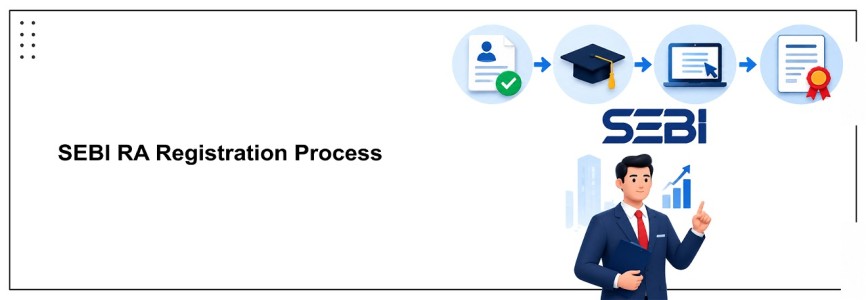



The financial markets in India have witnessed significant growth, increasing the demand for professional research services and investment analysis. Individuals and entities providing securities-related research, investment recommendations, or publishing research reports are required to follow the regulatory established by the Securities and Exchange Board of India (SEBI). A SEBI Research Analyst Registration is a mandatory approval required for persons who provide research recommendations related to securities.
The registration process ensures that research analysts follow ethical practices, maintain transparency, disclose conflicts of interest, and provide investors with reliable research-based information. The registration process involves various stages, including understanding eligibility requirements, completing educational qualifications, obtaining certification, preparing documents, submitting an application, responding to SEBI observations, and complying with ongoing regulatory requirements after approval.
What is SEBI Research Analyst Registration?
SEBI Research Analyst Registration is a regulatory approval granted by the Securities and Exchange Board of India to individuals or entities involved in providing research analysis and recommendations related to securities. A registered Research Analyst is authorised to prepare and distribute research reports, provide investment opinions, and share recommendations such as buy, sell, or hold decisions based on financial analysis.
The registration ensures that research activities are carried out professionally and that investors receive transparent and unbiased information. The registration requirement helps SEBI regulate the research ecosystem and prevent misleading recommendations, unethical practices, and conflicts of interest in securities research activities.
Who Needs SEBI Research Analyst Registration?
Any individual or organisation engaged in providing research-related services concerning securities may require registration under SEBI regulations. This requirement generally applies to professionals and entities that prepare investment research reports, publish securities analysis, or provide recommendations to investors regarding financial products. The registration may be required by:
Individual Research Analysts
Individuals who independently provide research recommendations, publish investment reports, or offer securities analysis services are required to obtain SEBI Research Analyst Registration. Such individuals must fulfil prescribed educational qualifications, certification requirements, and other eligibility conditions before applying for registration.
Non-Individual Research Analysts
Entities such as companies, LLPs, and partnership firms providing research services are required to obtain registration as non-individual Research Analysts. These entities must establish proper organisational structures, maintain compliance systems, and ensure that qualified persons are responsible for conducting research activities.
Eligibility Requirements for SEBI Research Analyst Registration
Before applying for SEBI Research Analyst Registration, applicants must ensure that they satisfy the eligibility requirements prescribed under the SEBI (Research Analysts) Regulations. The SEBI Research Analyst Registration eligibility standards are designed to ensure that only qualified professionals with adequate knowledge of securities markets provide research services.
Educational Qualification Requirement
The applicant must possess the required educational qualification prescribed by SEBI for conducting research analyst activities. The qualification should provide sufficient understanding of financial markets, investment products, economic concepts, and analytical techniques.
Applicants generally require relevant qualifications in areas such as finance, economics, commerce, business administration, or capital markets. The objective of this requirement is to ensure that Research Analysts have the necessary academic knowledge to analyse securities and prepare meaningful research reports for investors.
Certification Requirement
Applicants must complete the required certification examination prescribed under SEBI regulations. The commonly required certification is the NISM-Series-XV: Research Analyst Certification Examination.
This certification evaluates the applicant’s understanding of important areas including securities markets, research methodologies, financial analysis, valuation techniques, regulations, and professional ethics. Obtaining certification ensures that Research Analysts possess adequate knowledge before providing research recommendations to investors.
Experience Requirement
Applicants should have appropriate knowledge and understanding of financial markets and research activities. Relevant experience in areas such as securities research, investment analysis, financial services, or related fields helps demonstrate the applicant’s capability to perform research activities professionally. Experience requirements help maintain quality standards within the research analyst ecosystem and ensure that investors receive recommendations prepared by knowledgeable professionals.
Process for SEBI Research Analyst Registration
Step 1: Understand SEBI Research Analyst Regulations
The first step in the registration process is understanding the regulatory requirements applicable to Research Analysts. Applicants should analyse whether their proposed activities fall under the definition of research analyst services.
They must evaluate the nature of recommendations they intend to provide, the type of securities they will cover, and the category under which they need to apply. Understanding the regulations before applying helps avoid errors, delays, and compliance issues during the registration process.
Step 2: Select the Appropriate Registration Category
Applicants must determine whether they should apply as an individual Research Analyst or a non-individual Research Analyst.
Individual Research Analyst Registration
An individual professional who independently provides securities research services can apply as an individual Research Analyst. The applicant must personally satisfy SEBI’s eligibility requirements, including qualification, certification, and other regulatory conditions.
Non-Individual Research Analyst Registration
Companies, LLPs, partnership firms, and other eligible entities providing research services must apply as non-individual Research Analysts. Such entities must ensure proper governance structures, appointment of responsible persons, and implementation of compliance systems for carrying out research activities.
Step 3: Complete Educational and Certification Requirements
Before submitting the SEBI application, applicants must complete all mandatory qualification and certification requirements. The applicant must obtain the required educational qualification and successfully clear the prescribed NISM certification examination. Completing these requirements demonstrates that the applicant has sufficient knowledge of financial markets, research analysis methods, and regulatory obligations.
Step 4: Prepare Required Documents
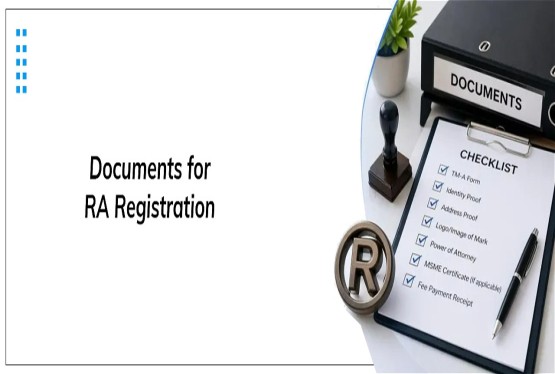
Document preparation is one of the most important steps in the SEBI Research Analyst Registration process. Applicants must collect and organise all supporting documents required for submission.
Documents for Individual Applicants
Individual applicants generally need identity proof, address proof, PAN details, educational certificates, NISM certification certificate, experience proof, photographs, and other relevant information. These documents help SEBI verify the applicant’s identity, qualification, and eligibility.
Documents for Entity Applicants
Entities applying for registration need additional documents such as incorporation certificates, LLP agreements or partnership deeds, constitutional documents, PAN details, details of directors or partners, financial documents, and compliance-related information. These documents help SEBI evaluate the entity’s legal structure and operational capability.
Step 5: Prepare Business Plan and Compliance Framework
Applicants must prepare a detailed business plan explaining how they intend to conduct research activities. The business plan generally includes information about:
-
Nature of research services
-
Target clients
-
Research methodology
-
Operational process
-
Fee structure
-
Risk management system
-
Conflict of interest management
A proper compliance framework demonstrates that the applicant has systems in place to provide research services responsibly and in accordance with SEBI requirements.
Step 6: Submit SEBI Research Analyst Application
After completing eligibility requirements and preparing documents, the applicant must submit the registration application through the prescribed SEBI process. The application must contain accurate information regarding the applicant’s identity, qualification, certification, business structure, and proposed research activities. Incomplete information or incorrect documentation may result in delays or additional clarification requirements from SEBI.
Step 7: SEBI Application Review Process
After receiving the application, SEBI reviews the submitted information and supporting documents. During the review process, SEBI examines whether the applicant fulfils eligibility conditions and has adequate systems for conducting research activities.
The review may include verification of:
-
Qualification details
-
Certification records
-
Financial capability
-
Business structure
-
Compliance arrangements
-
Supporting documents
Step 8: Responding to SEBI Queries
During application processing, SEBI may raise queries or request additional information from the applicant. The applicant must provide proper explanations and supporting documents within the prescribed time. Common queries may relate to incomplete documents, business operations, compliance policies, research methodology, or qualification details. A timely and accurate response helps avoid unnecessary delays in obtaining registration approval.
Step 9: Grant of SEBI Registration Certificate
After successful verification of the application and satisfaction of regulatory requirements, SEBI grants the Research Analyst Registration Certificate. Once registered, the applicant becomes authorised to provide research analyst services according to SEBI regulations. However, registration approval is not the end of the compliance responsibility. Registered Research Analysts must continue following SEBI guidelines throughout their operations.
Post-Registration Compliance Requirements
Maintaining Proper Records
Registered Research Analysts must maintain proper records relating to research reports, recommendations, client communications, and compliance documents. Maintaining records helps demonstrate compliance during regulatory inspections and ensures transparency in research activities.
Disclosure of Conflict of Interest
Research Analysts must disclose any potential conflicts of interest that may affect the independence of their recommendations. Proper disclosures help investors understand the basis of recommendations and make informed investment decisions.
Maintaining Research Quality Standards
Research reports must be prepared using proper analysis, reliable information, and reasonable assumptions. Research Analysts must ensure that reports are accurate, fair, and not misleading to investors. Maintaining professional standards helps build trust and credibility in the financial market.
Renewal and Regulatory Updates
Registered Research Analysts must regularly monitor changes in SEBI regulations and comply with updated requirements. They must also ensure that mandatory certifications and other regulatory obligations remain fulfilled to continue providing research services.
Common Mistakes During SEBI Research Analyst Registration
Incomplete Documentation
Submitting incomplete or incorrect documents is one of the common reasons for delays in the registration process. Applicants should carefully verify all documents before submission to ensure accuracy and completeness.
Ignoring Eligibility Requirements
Many applicants begin the registration process without checking qualification and certification requirements. Understanding eligibility criteria before applying helps prevent rejection and unnecessary delays.
Lack of Compliance Planning
Obtaining SEBI registration is only the first step. Many applicants fail to prepare systems for ongoing compliance after approval. A proper compliance framework is necessary for maintaining long-term operations as a Research Analyst.
Benefits of SEBI Research Analyst Registration
Legal Recognition
SEBI registration provides official recognition to professionals and entities offering securities research services. It allows Research Analysts to legally provide research reports and recommendations under the regulatory framework.
Investor Confidence
Registered Research Analysts gain greater credibility because they operate under SEBI regulations and follow prescribed disclosure requirements. This increases investor confidence in the quality and transparency of research services.
Business Growth Opportunities
SEBI registration enables professionals and entities to expand their research services and build a recognised presence in the financial services industry. It creates opportunities to serve investors through structured and compliant research activities.
Conclusion
SEBI Research Analyst Registration is a structured regulatory process that requires proper planning, eligibility verification, documentation, certification, and compliance preparation. From understanding the applicable regulations and fulfilling qualification requirements to submitting the application and responding to SEBI queries, each stage plays an important role in obtaining successful registration. A complete and accurate application helps avoid delays and ensures smooth processing.
After obtaining registration, a Research Analyst must continue following SEBI guidelines and maintain high standards of professionalism. This includes preparing transparent research reports, managing conflicts of interest, maintaining proper records, making necessary disclosures, and ensuring ethical practices while providing securities-related recommendations. Continuous compliance helps build investor confidence and supports long-term growth in the research and financial services sector.
Frequently Asked Questions (FAQs)
Q1. What is SEBI Research Analyst Registration?
Ans. SEBI Research Analyst Registration is an approval provided by SEBI to individuals or entities offering securities research services. It allows analysts to publish research reports and provide recommendations while ensuring compliance with regulatory standards, transparency requirements, and investor protection measures.
Q2. Who needs SEBI Research Analyst Registration?
Ans. Individuals, companies, LLPs, and other entities providing securities-related research reports, analysis, or investment recommendations generally require SEBI Research Analyst Registration. The registration ensures that research activities are conducted according to SEBI regulations and professional standards.
Q3. Is SEBI Research Analyst Registration mandatory?
Ans. Yes, SEBI Research Analyst Registration is mandatory for persons involved in providing research analyst services as defined under SEBI regulations. Providing securities recommendations without valid registration may lead to regulatory action and compliance-related consequences.
Q4. What are the eligibility requirements for SEBI Research Analyst Registration?
Ans. Applicants must fulfil SEBI’s prescribed eligibility requirements, including relevant educational qualifications, financial market knowledge, and mandatory certification requirements. The applicant must also comply with applicable regulatory conditions before submitting the registration application.
Q5. Which certification is required for SEBI Research Analyst Registration?
Ans. Applicants generally need to complete the NISM-Series-XV: Research Analyst Certification Examination. This certification tests knowledge of securities markets, research methodologies, valuation concepts, regulations, and ethical practices required for providing professional research services.
Q6. Can an individual apply for SEBI Research Analyst Registration?
Ans. Yes, individuals can apply for SEBI Research Analyst Registration after fulfilling the required educational qualifications, certification criteria, and other eligibility conditions. Registered individuals can independently provide research reports and securities-related recommendations under SEBI guidelines.
Q7. Can a company or LLP apply for Research Analyst Registration?
Ans. Yes, companies, LLPs, and partnership firms can apply as non-individual Research Analysts. Such entities must maintain proper organisational structures, compliance systems, and qualified professionals responsible for conducting research activities according to SEBI requirements.
Q8. What documents are required for SEBI Research Analyst Registration?
Ans. Documents generally include PAN, identity proof, address proof, educational certificates, NISM certification, incorporation documents, LLP agreement, partnership deed, financial details, business plan, and compliance documents depending on the applicant’s category.
Q9. What is the process for SEBI Research Analyst Registration?
Ans. The registration process includes checking eligibility, completing certification requirements, preparing documents, submitting the application, responding to SEBI queries, and obtaining approval after successful review of application details and supporting documents.
Q10. How long does SEBI Research Analyst Registration take?
Ans. The timeline depends on application accuracy, document completeness, and SEBI’s review process. Applications with proper documentation and timely responses to queries generally proceed smoothly, while incomplete information may result in additional clarification requirements.


_crop10_thumb.jpg)





_crop10_thumb.jpg)
_crop10_thumb.jpg)


_crop10_thumb.jpg)


_crop10_thumb.jpg)


_crop10_thumb.jpg)

_crop10_thumb.jpg)


-suratgujarat-section-158_crop10_thumb.jpg)
-suratgujarat_crop10_thumb.jpg)
-(33)_crop10_thumb.jpg)


-ahmedabad_crop10_thumb.jpg)
-learn_crop10_thumb.jpg)

-learnn_crop10_thumb.jpg)


_crop10_thumb.jpg)







_Guidelines_learn_crop10_thumb.jpg)


_learn_crop10_thumb.jpg)
_crop10_thumb.jpeg)


_crop10_thumb.jpg)


_Second_Amendment_Rules,_2025_learn_crop10_thumb.jpg)


_learn_crop10_thumb.jpg)

















_learn_crop10_thumb.jpeg)
















_learn_crop10_thumb.jpg)


_rd_roc_learn_crop10_thumb.jpg)













_learn_crop10_thumb.jpg)










_learn_crop10_thumb.jpg)
_Learn_crop10_thumb.jpg)































_learn_crop10_thumb.jpg)




_learn_crop10_thumb.jpg)











_crop10_thumb.jpeg)















_crop10_thumb.jpg)















_crop10_thumb.jpg)