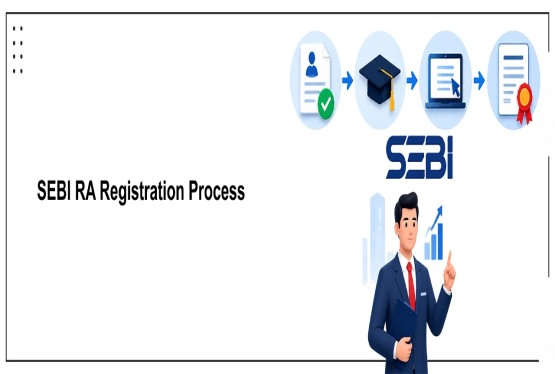



Starting an investment advisory practice in India requires more than financial knowledge and a business plan. Applicants must meet the applicable eligibility requirements, prepare supporting documents, and obtain registration under the SEBI investment adviser before commencing activities that require registration.
One of the most common questions is: How long does RIA registration take?
There is no fixed end-to-end approval period for every application. The overall timeline depends on the applicant’s qualifications, certification readiness, business structure, document completeness, regulatory examination, and responses to queries. Understanding these stages helps applicants prepare efficiently and set a realistic business launch date.
What Is RIA Registration?
RIA registration means registration as an Investment Adviser under the SEBI (Investment Advisers) Regulations, 2013, as amended. A registered investment adviser is also commonly called an RIA. Investment advisers provide investment advice within the scope of the regulatory. Their responsibilities include client risk profiling, suitability assessment, disclosures, agreements, recordkeeping, and management of conflicts of interest.
Before applying, applicants should distinguish investment advisory services from research services, mutual fund distribution, and other financial activities. Selecting the appropriate registration route at the beginning helps avoid changes to the application later.
How Long Does RIA Registration Take in India?
The complete registration journey includes preparation before filing, application assessment, clarification rounds, and completion of registration formalities. An applicant who already holds the relevant qualifications and valid certifications may be ready to submit sooner than someone who still needs to complete examinations or establish an entity. Similarly, a complete application is easier to assess than one containing missing documents or inconsistent information.
SEBI’s published investment adviser processing information has referred to an endeavour to process applications within thirty days and generally send a reply within that period. However, a reply within thirty days does not necessarily mean final registration within thirty days. Additional documents, clarifications, or other requirements may extend the overall process. Applicants should therefore avoid treating a processing reference as a guaranteed approval or business launch date.
Who Handles the RIA Registration Process?
BSE Limited acts as the Investment Adviser Administration and Supervisory Body, commonly known as IAASB. Applicants submit the prescribed application and supporting documents through the IAASB route. IAASB assesses the application and, subject to the applicant satisfying the registration conditions, recommends it to SEBI for the grant of registration.
Submission, assessment, recommendation, and final registration are separate milestones. An application acknowledgement confirms receipt; it does not establish that every eligibility requirement has been accepted.
Understanding the RIA Registration Timeline
Preparation Before Filing
The preparation stage involves checking eligibility, completing certifications, deciding the business structure, and gathering the required documents. This stage can take longer where academic records are unavailable, identity details differ across documents, or the proposed ownership and management arrangements remain undecided. Applicants who resolve these matters early are better placed to prepare a consistent application.
Application Assessment
After submission, the application and supporting records are examined. Clarification may be requested about qualifications, certifications, proposed activities, ownership, personnel, declarations, or other relevant matters.
The reviewing body must be able to understand the proposed business and assess the applicable conditions. Clear information reduces avoidable questions, although it does not guarantee approval.
Response to Queries
The time taken by the applicant to respond affects the overall timeline. A query may require a simple explanation or involve obtaining additional records from a university, bank, employer, or other organisation. Responses should address the question fully and include the relevant evidence. Incomplete answers may lead to further correspondence.
Final Formalities and Business Readiness
The applicant must complete applicable payments, deposit arrangements, and other requirements communicated during the process. Separately, the advisory practice must prepare its client documentation, disclosures, recordkeeping, complaint handling, and operating systems. Registration and readiness to serve clients should both be considered when planning a launch.
Step-by-Step RIA Registration Process
Step 1: Define the Proposed Advisory Services
The first step is to explain what the proposed business will do. The applicant should identify the nature of advice, target clients, delivery channels, and any other financial activities.
For example, a practice offering personalised financial planning should explain how it will assess clients and deliver its services. A business publishing research or distributing products requires an assessment of the relevant to those activities. A clear business description helps determine the appropriate registration route and supporting documents.
Step 2: Check Qualification and Certification Requirements
The relevant persons must meet the qualification and certification requirements applicable to their roles. The NISM-Series-X-A: Investment Adviser Level 1 and NISM-Series-X-B: Investment Adviser Level 2 examinations form part of the investment adviser certification. Passing the relevant examinations is separate from obtaining registration.
Applicants should check their qualification records and certificates before filing. Where examinations remain pending, preparation time, examination availability, and possible reattempts must be included in the overall plan.
Step 3: Finalise the Applicant’s Structure
The applicant should decide the structure through which the advisory business will operate. This determines the constitutional, ownership, authorisation, and personnel records required. Where an entity is being established, incorporation details, ownership arrangements, and relevant appointments should be settled before submission.
Names and other particulars should remain consistent across the application and supporting records. The structure should suit the proposed business and its regulatory obligations. It should not be selected solely on an assumption that one form always receives faster approval.
Step 4: Collect and Review the Documents
The current application checklist should be used to identify the required records. Depending on the applicant, these may concern identity, address, qualifications, certifications, constitution, ownership, financial information, personnel, and declarations.
The documents should be reviewed for accuracy, readability, and completeness. Names, addresses, dates, and identification details should match wherever required. Any discrepancy should be corrected or explained before submission. This can help avoid resubmission of documents already available to the applicant.
Step 5: Prepare a Consistent Business Description
The application should explain the proposed services, clients, delivery method, fee approach, responsible persons, and relevant business arrangements. Supporting materials should describe the same operating model.
For instance, an application submitted by one applicant should not contain agreements referring to an unrelated entity or a different service. A consistent explanation makes the application easier to understand and reduces uncertainty about the proposed activities.
Step 6: Submit the Application Through IAASB
The applicant should complete the prescribed application through the current IAASB process, upload the supporting documents, and make the applicable payments as instructed.
Copies of the application, submitted documents, payment acknowledgements, and application reference should be retained. Maintaining a complete filing record helps the applicant track progress and respond accurately to later questions.
Step 7: Address Clarifications and Deficiencies
During scrutiny, additional information may be requested. Each query should be answered directly, with supporting records attached where necessary. If the response changes a figure, role, declaration, or other detail provided earlier, the applicant should explain the reason and update all affected documents.
A consolidated, complete response is easier to assess than several partial submissions. Applicants should monitor communications regularly and respond within the specified timeline.
Step 8: Complete Deposit and Payment Requirements
Investment advisers must maintain the applicable deposit under the prescribed. The specified client-linked deposit amounts are Rs. lakh for up to 150 clients, Rs.2 lakh for 151–300 clients, Rs.5 lakh for 301–1,000 clients, and Rs.10 lakh for 1,001 or more clients. The deposit is maintained with a scheduled bank under a lien in favour of IAASB in the prescribed manner.
The deposit is separate from application fees, registration fees, administrative charges, and professional expenses. Applicants should arrange funds and bank documentation according to the instructions applicable to their case.
Step 9: Obtain Registration and Review the Conditions
Once registration is granted, the applicant should review the certificate and any accompanying conditions. Before commencing services, the adviser should ensure that the necessary client documents, disclosures, records, and operating arrangements are ready.
An application acknowledgement, recommendation, or payment request should not be treated as the registration certificate or permission to commence regulated advisory activities.
Factors That Can Delay RIA Registration
Incomplete Documentation
Missing records can prevent a particular requirement from being assessed. The applicant may need additional time to obtain qualification documents, signed declarations, entity records, or other evidence. A document checklist should clearly identify what is available and what remains outstanding. This makes preparation easier to manage.
Inconsistent Information
Conflicting details across the application and supporting documents can lead to clarification. Differences may concern names, addresses, qualifications, ownership, personnel, or proposed services. Reviewing all materials together before submission helps identify these issues.
Pending Eligibility Requirements
Financial knowledge or professional experience does not automatically demonstrate compliance with every prescribed condition. Applicants should examine eligibility at the beginning. Discovering a qualification or certification gap after submission can affect both the application and the intended launch date.
Changes During the Application
Changes in structure, ownership, responsible personnel, or proposed services may require revised documents and further explanations. Material decisions should be finalised before filing wherever possible. Necessary changes should be disclosed accurately and reflected consistently throughout the records.
Delayed or Partial Query Responses
A response that does not fully address a question may lead to additional correspondence. Applicants should track each query, the evidence required, the person responsible, and the response date. This helps prevent an application from remaining pending because an item was overlooked.
Complex Business Arrangements
Applications involving several financial activities, layered ownership, or other regulatory considerations may require additional examination. Complexity does not automatically prevent registration. It does require a clear explanation of the structure, activities, and relevant compliance arrangements.
Can RIA Registration Be Completed Within Thirty Days?
Thirty days should not be presented as a universal period covering everything from initial preparation for final registration. Preparation may begin well before filing. After submission, the application may require clarification, corrections, further examination, and final formalities.
The more useful question is: What remains pending in the application? An application awaiting a missing document faces a different issue from one awaiting assessment after all responses have been submitted. A meaningful status update should identify the current stage, outstanding action, and next milestone.
Does an Individual Application Always Take Less Time?
An individual applicant may have fewer entity documents to prepare than a company or LLP. However, this does not guarantee faster registration. An individual application can still face delays because of missing eligibility evidence, document discrepancies, unclear activities, or unanswered queries.
Similarly, an organised entity applicant may provide complete information promptly. The timeline depends on the application’s quality and specific requirements rather than the structure alone.
How Can Applicants Reduce Avoidable Delays?
Applicants can improve readiness by checking eligibility early, completing certifications, finalising their structure, and preparing consistent records before filing. A document tracker should show the required record, its status, and any correction needed.
The application and supporting materials should then be reviewed together. After submission, communications should be monitored regularly. Responses should be complete, accurate, supported by evidence, and submitted within the specified time. These steps can reduce avoidable correspondence. They do not guarantee approval or determine the authority’s processing period.
What Should You Do While the Application Is Pending?
Applicants can use this period to prepare internal procedures, organise recordkeeping, assess technology needs, allocate responsibilities, and develop draft client materials. Preparation should remain flexible because documents and procedures may require changes following regulatory comments.
The business budget should also allow for expenses incurred before advisory income begins. Commitments that depend on registration should reflect the fact that the application remains under examination.
How to Follow Up on a Pending Application
A useful follow-up should mention the application reference, submission date, latest response date, and the specific status clarification required. Before following up, the applicant should check whether any document request, query, or payment instruction remains outstanding.
Maintaining a communication record helps distinguish time awaiting the applicant’s action from time awaiting regulatory examination. This makes follow-ups more focused and informative.
Conclusion
The time required for Investment Adviser registration depends on several factors, including eligibility, qualification and certification readiness, document accuracy, business structure, and regulatory examination. Applicants who prepare complete records and clearly explain their proposed advisory activities can reduce avoidable correspondence. However, a thirty-day processing reference should not be understood as a guaranteed approval period. Additional information, document corrections, or clarification requests may extend the overall timeline, making careful preparation essential before submitting the registration application.
Applicants should approach registration as a structured process that includes preparation, submission, assessment, responses to queries, and completion of applicable formalities. Monitoring communications, providing timely explanations, and maintaining consistent information throughout the application can help prevent unnecessary delays. Business launch plans should remain flexible until registration is granted and the applicable operating requirements are satisfied. Ultimately, approval depends on meeting the prescribed conditions and the assessment of the competent authorities, rather than any fixed commercial commitment.
Need Help with RIA Registration or SEBI Compliance?
Planning to start an investment advisory practice in India? Compliance Calendar LLP can help you understand the eligibility criteria, certification requirements, documentation, and application process for Investment Adviser registration. Our team can assist with preparing your application, responding to regulatory queries, and planning ongoing compliance.
Get in touch with Compliance Calendar LLP today!
-
Call/WhatsApp: +91 9988424211
Email: info@ccoffice.in
Frequently Asked Questions (FAQ’s)
Q1. How long does RIA registration take in India?
Ans. There is no fixed end-to-end period for every applicant. The timeline depends on preparation, eligibility, document completeness, regulatory queries, and final formalities.
Q2. Are IA and RIA registration different?
Ans. IA means Investment Adviser, while RIA commonly means Registered Investment Adviser. In this context, both terms refer to the investment adviser registration under SEBI.
Q3. Does a thirty-day processing reference guarantee registration?
Ans. No. A processing reference or initial reply does not guarantee final registration within thirty days. Additional information and other requirements may extend the process.
Q4. Is passing the NISM examinations enough to start an advisory practice?
Ans. No. Certification is separate from registration. The applicant must satisfy the other applicable conditions and obtain the required registration before commencing activities that require it.
Q5. Can I provide regulated investment advice while my application is pending?
Ans. Submitting an application does not authorise activities that require registration. The required registration and applicable operating conditions must be satisfied first.
Q6. Can a consultant guarantee faster approval?
Ans. A consultant can help prepare documents and respond to queries. Processing and approval remain with the relevant authorities, so a guaranteed approval date should not be promised.
Q7. What should I do if my RIA application remains pending?
Ans. Check whether any query, document request, or payment remains outstanding. If all requirements have been addressed, follow up through the designated channel with your application reference and latest submission details.
Q8. Does forming a company guarantee faster RIA registration?
Ans. No. Incorporating a company does not guarantee faster approval. The timeline depends on eligibility, document completeness, the proposed business, and responses to regulatory queries.
Q9. Can incomplete documents delay RIA registration?
Ans. Yes. Missing certificates, unsigned declarations, unclear scans, or inconsistent details can lead to clarification requests. Reviewing documents before submission helps reduce avoidable delays.
Q10. Is the regulatory deposit included in the registration fee?
Ans. No. The applicable deposit is separate from application fees, registration fees, administrative charges, and professional expenses. Applicants should budget for each separately.
Article last updated on : 22 Oct 2026.


































































_learn_crop10_thumb.jpg)