


Starting a securities research business requires more than market knowledge and the ability to identify investment opportunities. If you plan to publish research reports, offer securities recommendations or operate a research subscription service, you need to understand the registration and compliance requirements that apply to your activities.
A SEBI Research Analyst Registration Consultant in India can help assess your eligibility, select the appropriate applicant structure, prepare documents and coordinate the application process. Professional assistance can also help you establish the records and procedures needed after registration. However, registration should begin with a clear understanding of your proposed services. A stock research subscription, personalised investment advice and portfolio management are different activities. Choosing the correct regulatory route is essential before accepting clients or building a paid service.
What Is SEBI Research Analyst Registration?
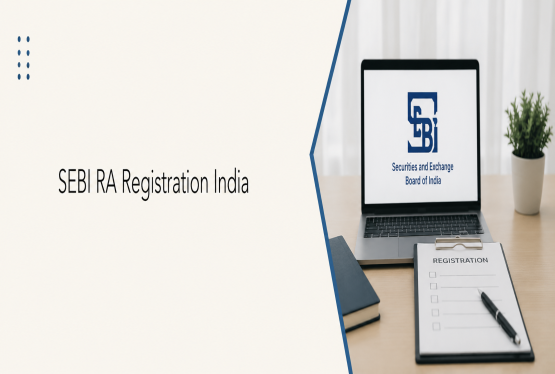
SEBI Research Analyst registration is the authorisation required to undertake research analyst activities under the SEBI (Research Analysts) Regulations, 2014, unless a specific exemption applies. The assessment concerns the substance of the services being provided. Publishing securities research, issuing research analysis and presenting recommendations can bring a person or entity within the regulatory requirements. Describing the same activity as education, market discussion or a membership programme does not, by itself, determine its regulatory treatment.
Applications are submitted in Form A with supporting documents to the Research Analyst Administration and Supervisory Body, or RAASB. Following scrutiny, RAASB recommends eligible applications to SEBI for registration. For an applicant, the practical starting point is to document what customers will receive, how recommendations will be communicated and whether fees will be collected.
What Does a Research Analyst Registration Consultant Do?
Assess Whether Registration Is Required
A consultant reviews the proposed business activities before recommending an application strategy. This includes examining sample reports, subscription plans, website content, social media channels and customer communications. For example, a business may intend to publish general securities research but also offer individual portfolio recommendations during client calls. Reviewing both activities together helps identify whether the proposed authorisation adequately covers the service.
Review Eligibility and Applicant Structure
The consultant examines the applicant’s educational qualifications, certifications, proposed personnel and legal structure. This review should identify gaps before documents are submitted. It can also help an applicant compare the practical implications of operating individually, through a partnership registration, an LLP registration or a company registration.
Prepare and Coordinate the Application
Application support can include organising supporting records, preparing declarations, checking consistency and assisting with responses to observations. The applicant remains responsible for the truthfulness of the information supplied. A consultant supports preparation and coordination; the registration decision rests with the regulatory authorities.
Plan Compliance After Registration
A useful engagement should extend beyond obtaining the certificate. Applicants also need an operating process for client onboarding, disclosures, research records, complaints, payments and continuing regulatory obligations. Discuss these deliverables before appointing a consultant so that the scope of assistance is clear.
Who Should Assess Research Analyst Registration?
Individuals and businesses planning to provide securities research services should examine applicability before launching. This includes proposed research subscription businesses, firms preparing securities reports and persons communicating actionable securities recommendations through digital channels. A website, application, email list or messaging group is a delivery method; the regulatory assessment depends on the activity performed.
A consultant should review the full service rather than relying on its name. “Learning community,” “premium group” and “market insights” may describe very different offerings. Applicants should prepare sample content and explain their revenue model. This gives the reviewer a concrete basis for distinguishing general information from regulated services.
Eligibility for SEBI Research Analyst Registration
Educational Qualifications
The November 2025 amendment revised the qualification requirements. One route includes a recognised graduate degree or equivalent educational qualification, or a CFA Charter, together with the relevant certification from NISM or an organisation or institution accredited by NISM. An alternative route is the specified NISM Post Graduate Program in the Securities Market (Research Analysis), or another NISM programme specified by SEBI.
The amended requirements also address principal officers, relevant employees, persons associated with research services and partners engaged in providing those services. Applicants should therefore avoid assuming that only finance postgraduates can qualify. Their actual qualification and role should be checked against the current provisions.
NISM Certification
The NISM-Series-XV Research Analyst Certification Examination is relevant to the certification requirements for research analyst activities. NISM introduced a revised examination with effect from 20 January 2026. Passing an examination should not be confused with obtaining SEBI registration. Qualification, certification, application scrutiny and operating compliance are separate parts of the process. A consultant should also help identify the applicable certification route and track continuing certification requirements.
Business and Personnel Readiness
An applicant should be able to explain how research will be prepared, reviewed, distributed and preserved. For a larger business, this means identifying who produces research, who approves communications and who handles compliance. For an individual applicant, it means demonstrating a workable process that can be maintained consistently.
Choosing the Applicant Structure
Individual Applicant
An individual structure may be considered where one eligible person intends to build and operate the research business. Before choosing it, examine expected staffing, commercial arrangements, administration and growth plans. A simpler structure can still require careful documentation and continuing oversight.
Partnership, LLP or Company
An entity structure may be considered where the business involves multiple promoters, a research team or a more developed operating model. The decision should account for ownership, responsibilities, costs and future investment plans. Incorporating a company does not remove the need for the relevant individuals to meet applicable requirements. A consultant should explain the reasons for recommending a structure rather than selecting it solely because it appears more established.
Deposit Requirements for Research Analysts
Research Analysts must maintain the prescribed deposit according to the applicable client-count slab.
| Maximum number of clients | Required deposit |
|---|---|
| Up to 150 | Rs.1 lakh |
| 151–300 | Rs.2 lakh |
| 301–1,000 | Rs.5 lakh |
| 1,001 and above | Rs.10 lakh |
The assessment is based on the maximum number of clients on any day during the preceding financial year. The prescribed arrangement includes a deposit with a scheduled bank and a lien in favour of RAASB. Applicable revisions are linked to changes in the relevant client count.
The deposit is different from a government fee or professional charge. When planning your budget, identify how much money is required for the deposit and how much is needed for the application and business operations.
SEBI Research Analyst Registration Fees
Applicants should distinguish SEBI fees, RAASB charges, deposits and consultant fees. The published SEBI fee schedule provides the following:
| Applicant category | Application fee | Registration fee for first five years | Fee for subsequent five-year periods |
|---|---|---|---|
| Individual and partnership firm | Rs.2,000 | Rs.3,000 | Rs.1,000 |
| Body corporate, including LLP | Rs.20,000 | Rs.30,000 | Rs.5,000 |
RAASB administrative charges are separate. Applicable taxes and current payment instructions should be checked when making payment. Professional fees vary with the engagement. Ask whether the quotation includes eligibility review, application preparation, observation responses and assistance with operational documents. A low initial quotation may cover only a limited part of the work.
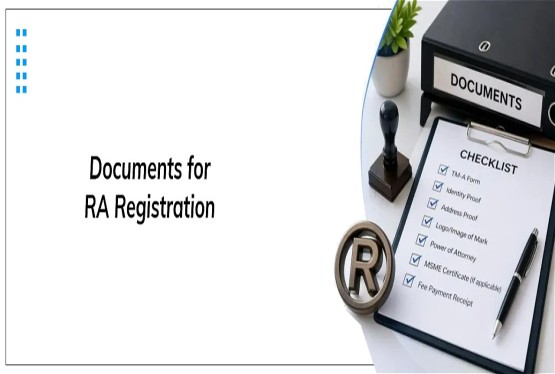
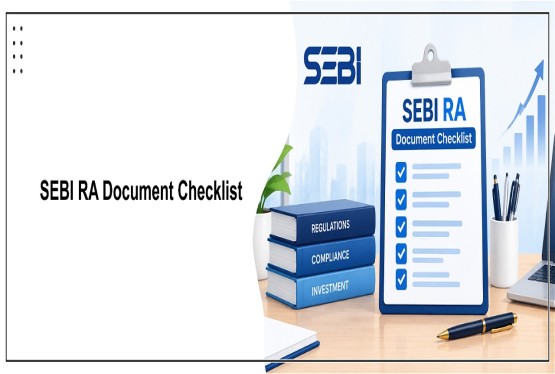
Documents Required for Registration
Identity and Entity Records
Prepare the identity and legal records relevant to the chosen applicant category. For an entity, the working file should clearly establish its constitution, ownership and authorised representatives. Before submission, reconcile names, addresses and contact information across the application and supporting documents.
Qualification and Certification Records
Organise the educational and certification records of the relevant persons. Check that documents are legible and correspond to the individuals and roles disclosed. If there is uncertainty about a qualification, resolve it before building the rest of the application around an assumed eligibility route.
Business and Operational Information
Prepare a clear description of the research services, target customers, distribution channels and proposed revenue model. Supporting working documents can include sample research formats, reporting responsibilities and a description of the systems used to retain records. The final submission checklist should follow the current requirements for the applicant’s circumstances.
Declarations and Disclosures
Read every declaration before signing it. Information concerning other activities, ownership, professional history and regulatory matters should be complete and consistent. A consultant should help explain the declarations and identify missing information rather than treating signatures as a routine formality.
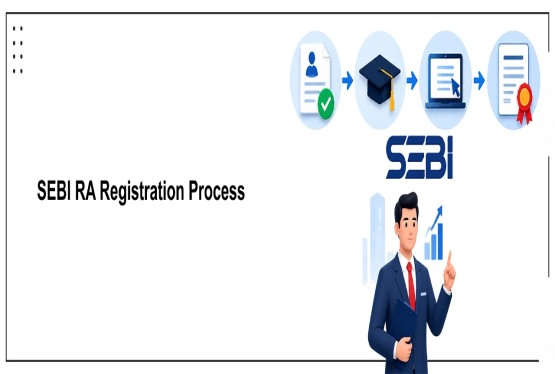
Step-by-Step Registration Process
Step 1: Review the Proposed Services
Describe the complete customer journey, from advertising to delivery and servicing. Identify which activities require regulatory assessment and whether the intended RA route fits the business.
Step 2: Check Eligibility
Review qualifications, certifications, applicant structure and relevant personnel. Create a written list of gaps and resolve them before filing.
Step 3: Prepare the Application File
Organise the current application requirements and supporting records. Check that the business description agrees with the proposed website, service plans and internal responsibilities.
Step 4: Submit Through RAASB
Prepare and submit Form A through the prescribed RAASB process. Keep a copy of the submitted information and maintain an organised record of subsequent communications.
Step 5: Respond to Observations
Provide complete, consistent responses to questions raised during scrutiny. Where an answer requires a revised document, check the effect on the rest of the application.
Step 6: Complete Applicable Formalities
Follow the instructions relating to fees, deposit and other registration conditions. Before launch, confirm the registration status and operational requirements. The process should be managed through documented stages rather than promises of guaranteed approval within a fixed number of days.
How Long Does Registration Take?
The actual timeline depends on the application’s completeness, eligibility issues, regulatory observations and the speed of responses. Applicants can reduce avoidable delays by providing reliable documents and answering questions clearly. However, a consultant cannot control the regulator’s examination or guarantee the outcome. Ask for an indicative project schedule separating document preparation, submission, observations and launch readiness. This is more useful than a single promised approval date.
Post-Registration Compliance
Registration must be followed by a functioning compliance process. The February 2026 Master Circular consolidates requirements covering areas such as client onboarding, disclosures, records, fees, advertisements, complaints and other operational matters.
Client Onboarding and Communications
Create a consistent onboarding process so that customers understand the service, charges and relevant terms. Assign responsibility for checking the documents used on websites, payment pages and customer messages. These should describe the same service and avoid contradictory promises.
Research and Supporting Records
Maintain an organised research trail. A practical system should make it possible to locate the published report, its supporting analysis, review history and associated disclosures. Avoid depending on an employee’s personal device or an informal messaging history as the only record of business activity.
Complaints and Internal Reviews
Set up a clear process for receiving, investigating and responding to complaints. Review recurring issues to identify whether the underlying problem concerns research delivery, billing or customer expectations. An internal compliance calendar should identify responsible persons and track applicable reporting, audit, certification and payment obligations.
Latest Call-Recording Update: Effective 8 November 2026
SEBI’s circular dated 23 October 2026 relaxes the mandatory call-recording requirement for communications with institutional-investor clients. The circular takes effect on 8 November 2026. The relaxation does not remove the broader responsibility to maintain appropriate client-interaction records. The circular also addresses preservation of records and clarifies that a separate call recording is unnecessary where the interaction occurs through a means such as email with an available digital footprint. A consultant assisting with compliance should distinguish the rules currently applicable from changes that have been announced for a future date.
How to Choose a Research Analyst Registration Consultant
Check Knowledge of Current Rules
Ask how the consultant assesses qualifications, applicant categories, fees, deposits and recent amendments. A useful initial discussion should focus on your actual activities. Repeatedly offering the same checklist without examining your service model may leave important questions unresolved.
Obtain a Written Scope of Work
The engagement should identify deliverables, applicant responsibilities, professional fees and exclusions. Clarify who prepares documents, who submits information and who responds to observations. Also establish whether assistance ends at registration or includes post-registration setup.
Look for Clear, Practical Advice
A suitable consultant should explain requirements in language you understand. You should know what you are signing, why it is required and how the declaration relates to your business. Avoid relying on claims of guaranteed registration or special access to approval.
Protect Access and Records
Keep control of business email addresses, application records and regulatory correspondence. Agree on how information will be shared and stored. At the end of the engagement, obtain an organised handover of the final application, registration documents and outstanding compliance actions.
Conclusion
Choosing a SEBI Research Analyst Registration Consultant in India should begin with the needs of your proposed research business. Effective assistance combines an eligibility review, accurate application preparation and a practical plan for ongoing compliance.
Compliance Calendar LLP can assist with reviewing the proposed model, organising documentation and planning registration-related work. For assistance, contact 9988424211. Registration decisions remain with the regulatory authorities, while responsibility for accurate information and compliant operations remains with the applicant.
Frequently Asked Questions
Q1. Is NISM certification the same as SEBI registration?
Ans. No. NISM certification addresses the relevant knowledge and certification requirement. SEBI registration is a separate regulatory authorisation.
Q2. Can a graduate apply for Research Analyst registration?
Ans. The amended qualification provisions include a recognised graduate-degree route together with the relevant certification. The applicant’s complete eligibility must still be assessed.
Q3. Can an LLP apply?
Ans. Yes. LLPs fall within the relevant non-individual applicant category, subject to fulfilling applicable requirements.
Q4. Is the deposit a registration fee?
Ans. No. The deposit and registration fees are separate requirements. Professional and RAASB charges should also be budgeted separately.
Q5. Is hiring a consultant compulsory?
Ans. Applicants can manage their own applications. A consultant can assist with assessment, preparation and coordination, but cannot replace the applicant’s responsibilities.
Q6. Can I start regulated research services after submitting the application?
Ans. Submitting an application does not itself provide registration. Confirm the required authorisation before commencing regulated activities.
Q7. Does registration guarantee returns for clients?
Ans. No. Registration does not guarantee investment performance, research accuracy or profits.
Q8. Can a consultant guarantee approval?
Ans. No. The regulatory authorities decide the application based on the applicable requirements and information submitted.
Q9. Should social media activities be reviewed before applying?
Ans. Yes. Include social media, messaging groups, websites and subscription channels in the business-model review.
Q10. What should I prepare for the first consultation?
Ans. Prepare your qualifications, certification details, proposed structure, sample content, service plans and an explanation of how customers will be charged.
Article last updated on : 31 Oct 2026.



















































_learn_crop10_thumb.jpg)