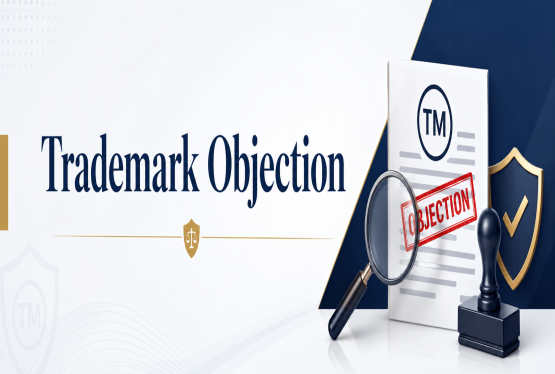



A copyright objection is an official notice from the Registrar of Copyrights stating that your application cannot proceed until you address specific concerns. A well-crafted reply is often the difference between successful registration and rejection. These objections typically arise when the work appears similar to existing content, the application is incomplete or inaccurate, originality is questioned, or required supporting documents are missing.
Copyright registration in India is governed by the Copyright Act, 1957 and the Copyright Rules, 2013. They cover original literary, dramatic, musical and artistic works, cinematograph films, sound recordings and software, provided the work is a concrete expression of an idea and not the idea itself. This guide explains the process, the grounds for objection, how to draft the reply, the documents to attach, the consequences of silence, and answers 24 common questions.
Copyright Registration Process
The copyright registration process involves five stages, with objections typically arising during examination. Although copyright protection generally exists automatically upon the creation of an original work, registration provides documentary evidence of ownership and creates a public record. The process proceeds through five distinct stages:
-
Application: you submit the completed form, the prescribed fee and copies of the work.
-
Examination: the Copyright Office checks legal compliance, the originality of the work and the accuracy of your details.
-
Objection: if it finds a conflict with an existing work or an error in the application, it raises an objection and you must respond.
-
Registration: once objections are resolved and the work meets all criteria, the application is approved.
-
Certificate: the office issues the copyright certificate recognising your rights.
The objection stage falls between examination and registration. Your reply is what determines whether the application advances to registration or is stopped at this point.
What Is a Copyright Objection
An objection is the Registrar’s written statement of concerns about your application, usually sent as a discrepancy letter that asks for clarifications, corrections or additional documents. A third party who believes your work copies theirs may also object within the period the Rules allow. The four main reasons are:
-
Similarity to Existing Works: The submitted work may resemble an already copyrighted work, raising concerns regarding its originality or potential infringement.
-
Errors or Omissions in the Application: Incomplete, inaccurate, or missing information may hinder the proper examination of the application.
-
Insufficient Originality: The work may lack the required degree of originality or creative expression to qualify for copyright protection.
-
Documentation Deficiencies: Missing, incomplete, or improperly authenticated documents may create difficulties in verifying ownership and establishing the work’s originality.
Resolving each of these is what allows registration to continue.
Common Grounds and How to Answer Them
The fastest way to overcome an objection is to match your evidence precisely to the ground cited by the Registrar. For similarity objections, demonstrate independent creation with dated drafts, sketches, source files and a clear creation timeline, and present the key differences side by side. When the application is incomplete or incorrect, correct the details and ensure names, titles and dates remain consistent across every document. For objections based on lack of originality, explain the specific creative choices, the skill and labour involved, and how the idea has been concretely expressed in the work.
Where there is any problem in relation to documentation, the necessary documentation needs to be filed, notarized wherever needed, and include an affidavit. There are two more issues which commonly arise, namely those of gaps in ownership which can be addressed by way of an assignment deed, employment or commissioning agreement, or a no-objection letter from the author, and art work which can also function as trademark registration or designs, in which case you need to provide the necessary letter.
Documents Required
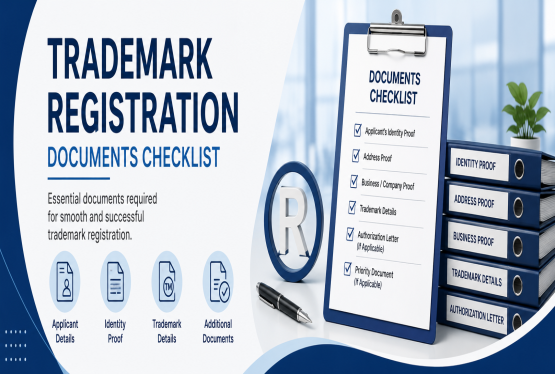
A reply is normally supported by five documents:
-
Copy of the copyright application: identifies the original submission and the work.
-
Affidavit for the reply: a statement sworn before a notary public supporting your claims, where necessary.
-
Supporting documents: evidence of originality and ownership, such as drafts, publication proof and agreements.
-
Power of attorney: authorises a lawyer or agent to act for you.
-
Copy of the discrepancy letter: lets you answer each point directly.
Depending on the nature of the objection, supporting documents such as an assignment deed, No Objection Certificate (NOC), or identity proof may be required. The Registrar determines whether a hearing is necessary after examining the reply.
Step-by-Step Guide to Responding
A reply to a copyright objection should address each concern raised by the examiner and be supported by relevant evidence and documentation. An effective response involves the following steps:
-
Read the letter closely, list every objection, and note the deadline.
-
Prepare a point-wise response so nothing is left unanswered.
-
Collect evidence of original creation, dates, licences and ownership papers.
-
Cite the relevant provisions of the Act and Rules. In India the exception to consider is fair dealing under Section 52, not US-style fair use.
-
Draft the reply and, where needed, a sworn affidavit.
-
File within the time limit with all annexures and keep the acknowledgement.
-
Attend any hearing the Registrar calls.
When the objection relates to similarity or ownership, it is advisable to consult an IP lawyer before filing your reply, as a weak initial response is difficult to correct later.
Key Points to Remember
The care in the response is equally important as the legal reasoning. It is imperative that you comprehend the question before you draft your response and ensure that you know the applicable law relating to your case. Collect evidence of your creation of the material, licenses or permissions, and any evidence that would help your case. Ensure that you provide clear arguments on why your work is not infringing.
Take legal advice for complex or high-risk cases, watch the deadline because a late reply can weaken your position, and keep records of the objection, your reply, annexures and all correspondence. If a third party is the objector, consider whether a negotiated settlement, such as a licence or an agreed change, serves you better than a contest. After filing, keep monitoring the application and be ready for further queries or a hearing.
Consequences of Not Responding
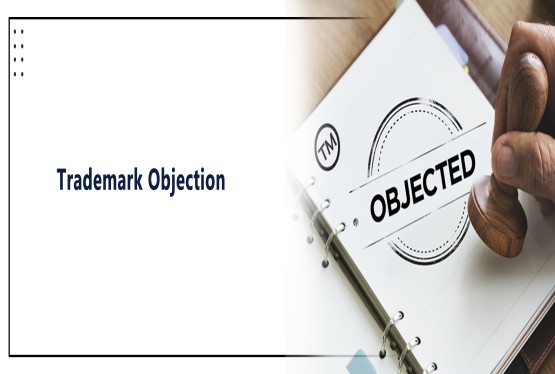
In case you do not respond in the allotted time period, then the Registrar may cancel the application and put a stamp of “Rejected” on it. Therefore, a prompt response is the only way in which your application can be saved from being rejected. In case your application is rejected, you have two choices to follow; one is that you may correct the deficiencies in the application and submit a new application, and another one is that you may consult a lawyer if your application has been illegally rejected.
Conclusion
A copyright objection does not necessarily mean rejection of an application; rather, it provides an opportunity to address concerns regarding originality, ownership, or documentation. A clear and timely response supported by relevant evidence can help resolve the issues raised.
Applicants should carefully review the objection notice, respond to each point, submit the necessary documents within the prescribed deadline, and maintain proper records. Where originality is disputed or ownership involves complexities, seeking guidance from an intellectual property professional can help ensure an appropriate response.
Frequently Asked Questions
Q1. What is a copyright objection?
Ans. It is the Registrar’s notice that your application has a problem, such as similarity to existing content, with a chance to respond.
Q2. Who can raise an objection?
Ans. The Registrar during examination, and a third party who believes your work copies theirs, within the period the Rules allow.
Q3. Why was my application objected to?
Ans. Common reasons are similarity, an incomplete or incorrect application, doubt about originality, or missing documents.
Q4. Is it compulsory to reply?
Ans. Yes, and silence can lead to rejection.
Q5. How much time do I have?
Ans. The deadline is stated in the letter and is commonly around 30 days, but follow the date in your own letter.
Q6. What if I miss the deadline?
Ans. The Registrar can cancel the application and mark it Rejected.
Q7. Can I apply again after rejection?
Ans. Generally yes, with a fresh application, so fix the weaknesses first and confirm current fees and rules.
Q8. Is an affidavit compulsory?
Ans. It is filed where necessary to support your claims, sworn before a notary public.
Q9. Which documents should I attach?
Ans. The application copy, an affidavit if needed, supporting documents, a power of attorney if represented, and the discrepancy letter.
Q10. When is a power of attorney needed?
Ans. Only when a lawyer or agent files and argues the reply for you.
Q11. Will there be a hearing?
Ans. The Registrar decides after assessing your reply.
Q12. What if my work resembles an existing one?
Ans. Show independent creation with dated drafts and source files, and explain the real differences.
Q13. What does lack of distinctiveness mean here?
Ans. The work does not show a tangible expression of an idea or lacks the creativity and originality needed for protection.
Q14. Can I correct application errors in the reply?
Ans. Yes, you can supply corrections, missing details and additional information.
Q15. Is fair use available in India?
Ans. India recognises fair dealing under Section 52, which is narrower than US fair use.
Q16. What evidence proves originality?
Ans. Dated drafts, sketches, source files, publication records, licences and assignment deeds.
Q17. Should I answer each objection separately?
Ans. Yes, a point-wise reply shows every concern has been addressed.
Q18. Is registration mandatory for copyright to exist?
Ans. No, copyright arises on creation, but the certificate is strong evidence of ownership.
Q19. Which works can be registered?
Ans. Original literary, dramatic, musical and artistic works, films, sound recordings and software.
Q20. What records should I keep?
Ans. The objection letter, your reply, annexures, the filing acknowledgement and all correspondence.
Article last updated on : 31 Oct 2026.