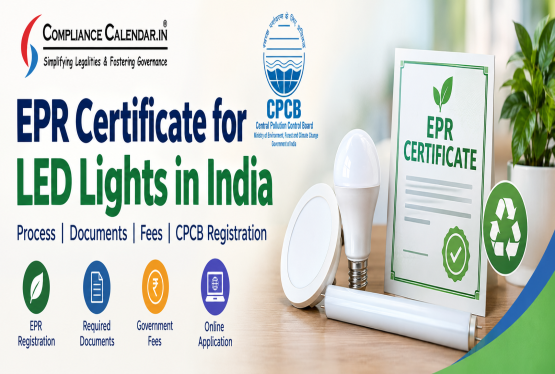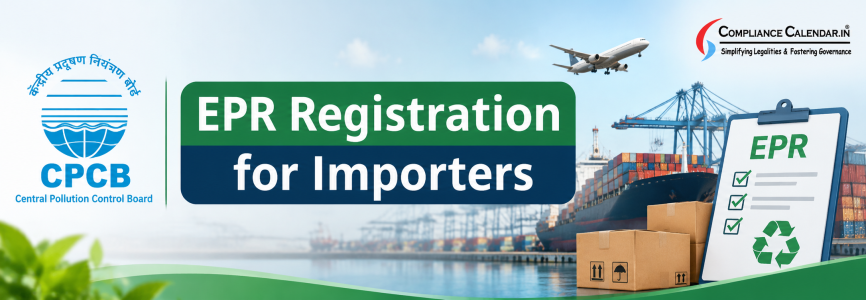



Importing products into India can bring certain environmental responsibilities along with it. If you import electronic products, batteries or goods packed in plastic packaging, you may need EPR Registration under the applicable waste management rules. Extended Producer Responsibility (EPR) makes businesses responsible for managing the waste created by products or packaging they introduce into the Indian market.
However, not every importer needs the same registration. The requirement depends on what you import and the category of waste covered by the rules. For example, an importer bringing mobile phones into India may need E-Waste EPR Registration, while an importer bringing products in plastic packaging may have obligations under the Plastic Waste Management Rules. This guide explains which importers need EPR Registration, how to apply, what documents are required and what to do after receiving an EPR Certificate.
What Is EPR Registration for Importers?
EPR stands for Extended Producer Responsibility. It is a system under which businesses that introduce certain products or packaging into the market must take responsibility for their waste management after use.
Under India's waste management rules, importers can be treated as producers for specific waste categories. This means that importing a product does not always end your responsibility once the goods are sold. You may also have to register on the relevant government portal, meet recycling or collection targets, purchase or generate eligible EPR Certificates, and submit the required returns.
The rules are different for plastic packaging, electronic waste and battery waste. Each category has its own registration process and compliance requirements. Therefore, an importer should first identify the products and packaging being imported before applying.
Which Importers Need EPR Registration in India?
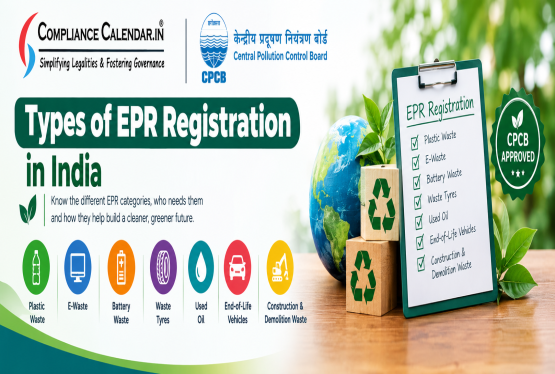
The main EPR requirements relevant to importers are covered under the Plastic Waste Management Rules, 2016, the E-Waste (Management) Rules, 2022 and the Battery Waste Management Rules, 2022.
Importers of plastic packaging: If you import products packed in plastic, plastic packaging or certain plastic raw materials, you may need registration under the Plastic Waste Management Rules. For example, an importer bringing cosmetics in plastic bottles, packaged food products or electronic goods packed in plastic may fall within the applicable importer category. Importers of plastic raw materials and certain intermediate materials, such as films and preforms, are also covered by the amended rules.
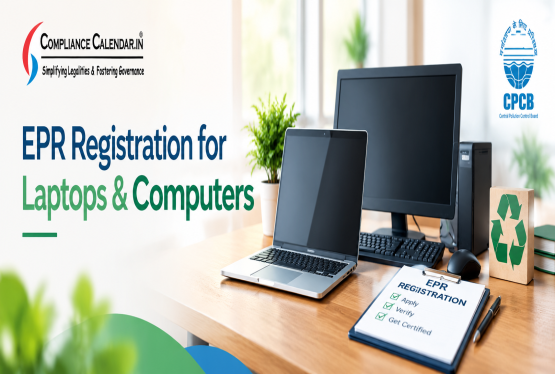
Importers of electronic products: If you import electrical or electronic equipment covered by the E-Waste (Management) Rules, 2022 and offer it for sale in India, you may be treated as a producer under those rules. Examples include computers, laptops, mobile phones, televisions and other notified electronic equipment. The exact coverage should be checked against the schedules to the rules.
Importers of batteries: The Battery Waste Management Rules, 2022 cover producers, including importers, who introduce batteries into the Indian market. The rules apply to different types of batteries, regardless of their chemistry, shape, size or use. Importers of batteries and certain equipment containing batteries should check whether they fall within the producer definition and registration requirements.
The Central Government has developed separate online EPR systems for plastic packaging, e-waste and battery waste. These systems are used for registration and tracking the relevant obligations.
Does Every Importer Need EPR Registration?
No. EPR Registration does not apply automatically to every business that imports goods into India. The requirement depends on the product, packaging material and the definitions given in the relevant waste management rules.
For example, an importer of wooden furniture without covered plastic packaging or a product falling under the notified electronic equipment categories may not have the same EPR obligations as an importer of mobile phones or plastic-packed cosmetics. Similarly, importing a product that contains a battery may require a separate check under the Battery Waste Management Rules.
Before applying, prepare a list of the products you import, their packaging materials, the materials used in their components and the way they are sold in India. This helps identify which EPR category may apply. If your business imports products covered by more than one set of rules, you may need to meet requirements under more than one category.
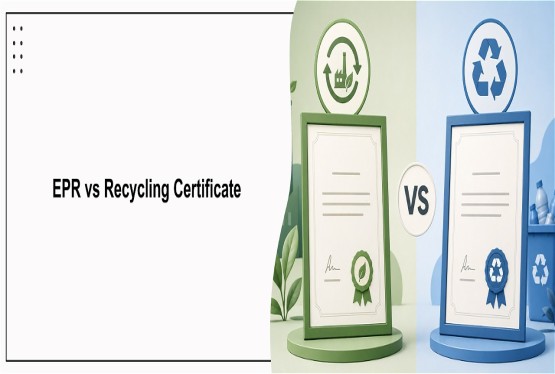
What Is the Difference Between EPR Registration and an EPR Certificate?
These two terms are related, but they do not mean the same thing.
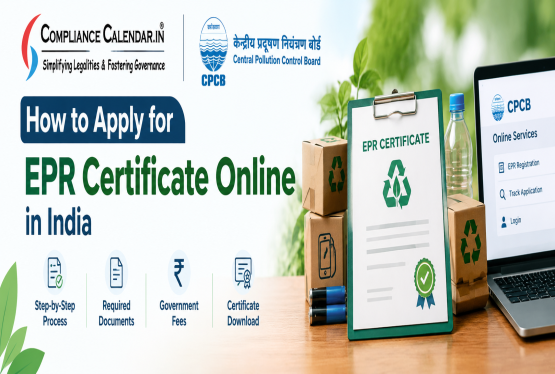
EPR Registration is the formal registration granted to an eligible business by the relevant authority through the applicable portal. It allows the business to participate in the EPR compliance system for the relevant waste category.
An EPR Certificate is a record used under the applicable rules to show that eligible recycling or waste-processing activity has taken place. Registered recyclers or other authorised entities generate certificates through the relevant portal, and obligated businesses use eligible certificates to meet their EPR obligations as prescribed by the rules.
For example, an importer of electronic equipment may need to obtain EPR Registration and then fulfil applicable recycling obligations through eligible certificates from registered recyclers. Receiving an EPR Registration Certificate does not mean that all future recycling obligations have already been completed.
The type, quantity, validity and use of EPR Certificates depend on the relevant waste category and current rules.
Documents Required for EPR Registration
The documents depend on the type of EPR registration and the applicant's business structure. The portal may also ask for category-specific information. Importers should generally keep the following details ready:
- Business registration proof: Certificate of incorporation, partnership deed, LLP documents or other applicable business proof.
- PAN card: PAN details of the business or applicant, as required.
- GST registration: GST certificate and relevant business details, where applicable.
- Import Export Code (IEC): Importer details and IEC issued by the Directorate General of Foreign Trade, where required.
- Authorised person's details: Identity proof, contact details and authorisation documents of the person handling the application.
- Registered office proof: Address proof of the business premises.
- Product information: Details of imported products, brands, categories and quantities.
- Packaging information: Type and quantity of plastic packaging, where applying under plastic EPR.
- Sales and import data: Relevant import, sales and product information required to calculate obligations.
For e-waste and battery registration, the portal may ask for additional product-category, sales or battery information. For plastic packaging, details of packaging categories and quantities are important. Check the latest portal guidance before submitting your application so that you do not miss category-specific documents.
How to Apply for EPR Registration Online in India
EPR applications are submitted through the government portal for the relevant waste category. The process generally involves the following steps:
Step 1: Identify the applicable category. Check whether your imported products or packaging fall under plastic waste, e-waste, battery waste or more than one category.
Step 2: Open the relevant EPR portal. Use the official CPCB portal for the applicable category. The plastic, e-waste and battery systems have separate registration modules and guidance.
Step 3: Create an account. Register using the business details and contact information requested by the portal. Keep the authorised person's email address and mobile number accessible.
Step 4: Fill in the application. Enter the business, product, import, packaging and other category-specific information. Make sure the figures match your supporting records.
Step 5: Upload the documents. Submit the required business proofs, declarations and supporting documents in the prescribed format.
Step 6: Pay the applicable fee. If a registration fee is payable, follow the amount and payment instructions displayed in the current portal guidance.
Step 7: Respond to queries. The authority may examine the application and ask for clarification or additional documents. Reply with accurate information.
Step 8: Receive your registration. Once the application is approved, the registration certificate is issued through the relevant system. Keep a copy and note the conditions and obligations attached to it.
Official portals:
What Are the EPR Registration Fees for Importers?
There is no single registration fee that applies to every importer. The amount depends on the waste category, type of applicant and the fee structure notified for the relevant portal.
Plastic packaging, e-waste and battery waste have separate registration systems. The applicable fee and payment instructions should therefore be checked in the latest guidance manual or application module before filing. Apart from government fees, a business may also incur professional charges for application preparation, data review and compliance support.
Do not rely on an old fee quotation or assume that the same amount applies to all three categories. Check the current portal instructions before making payment.
What Are the Responsibilities After Getting an EPR Certificate?
Getting registered is only the first step. Importers must continue to meet the obligations under the relevant waste management rules. Depending on the category, these may include meeting recycling or collection targets, purchasing eligible EPR Certificates, maintaining records and filing periodic returns.
For example, an importer registered under the E-Waste (Management) Rules, 2022 must fulfil applicable recycling obligations through the portal and submit the required returns. Battery producers must meet the targets prescribed under the Battery Waste Management Rules. Plastic packaging entities must follow the applicable EPR targets and reporting requirements for their category.
Keep accurate records of imports, sales, product quantities, packaging and certificates. Review portal notices regularly because filing dates, procedures and other instructions can change. The CPCB's E-Waste portal, for example, publishes updates on returns, certificate transfers and compliance requirements.
What Happens If an Importer Does Not Follow EPR Rules?
Failure to register or meet applicable EPR obligations can lead to action under the relevant waste management rules and the Environment (Protection) Act, 1986. Depending on the violation, the authority may issue directions, impose environmental compensation or take other action permitted by law.
The exact consequences depend on the waste category, nature of the violation and applicable provisions. An importer should not wait for a notice before checking compliance. Confirming the correct category, maintaining records and filing returns on time can help avoid unnecessary problems.
How Can Compliance Calendar Help with EPR Registration?
Understanding which EPR rules apply to imported products can be confusing, especially when a business imports different products or uses multiple types of packaging. The registration process also requires correct business information, product details and supporting documents.
Compliance Calendar LLP assists businesses with understanding EPR requirements, preparing application documents and completing registration-related formalities. We provide support for:
If you are importing products into India and are unsure whether EPR Registration applies to your business, contact our team for guidance.
Phone: +91 9988424211
Email: info@ccoffice.in
Frequently Asked Questions
1. Is EPR Registration mandatory for importers in India?
It is mandatory for importers who fall within the producer or importer definitions under the applicable waste management rules. The requirement depends on the product and waste category.
2. Do importers of plastic-packed products need EPR Registration?
Importers of products with plastic packaging may need registration under the Plastic Waste Management Rules. The applicable definition and current portal requirements should be checked.
3. Do electronic goods importers need EPR Registration?
Importers who offer electrical and electronic equipment covered by the E-Waste (Management) Rules, 2022 for sale in India are generally treated as producers and must meet the applicable registration and EPR requirements.
4. Do importers of batteries need EPR Registration?
Yes, importers covered by the producer definition under the Battery Waste Management Rules, 2022 must register and fulfil the applicable EPR obligations.
5. Can one EPR Registration cover plastic, e-waste and batteries?
Do not assume that one registration covers all categories. Each waste stream has its own rules and registration requirements. A business dealing in multiple categories should check each applicable portal.
6. How long does EPR Registration take?
The time depends on the category, completeness of the application, document verification and any queries raised by the authority. Check the relevant portal for current processing instructions.
7. Is an EPR Certificate the same as an EPR Registration Certificate?
No. Registration confirms that the business is registered under the relevant system. EPR Certificates are used under the applicable rules to demonstrate eligible recycling or waste-processing activity for meeting obligations.
8. Can an importer apply for EPR Registration without a consultant?
Yes. An eligible importer can apply directly through the relevant government portal. A consultant is optional, but professional assistance may help with identifying the correct category, preparing documents and understanding ongoing compliance.
Article last updated on : 02 Nov 2026.










_learn_crop10_thumb.jpg)