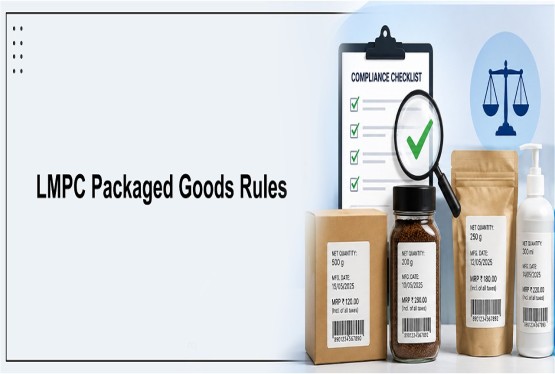



India's startup and Direct-to-Consumer (D2C) market has created new opportunities for businesses selling packaged products through websites, online marketplaces and physical stores. From skincare and cosmetics to packaged foods, clothing accessories, home essentials and personal care products, many new brands now sell directly to customers across the country.
However, launching a packaged product involves more than developing a brand, designing attractive packaging and creating an online store. Businesses must also comply with the legal requirements governing product weight, quantity, pricing, packaging information and consumer declarations.
One important requirement is Legal Metrology Registration in India. Under the Legal Metrology Act, 2009, and the Legal Metrology (Packaged Commodities) Rules, 2011, applicable manufacturers, packers and importers must follow prescribed registration and labelling requirements. For startups and D2C brands, compliance may involve registration under Rule 27, displaying mandatory product declarations, maintaining accurate net quantities and providing required information on e-commerce product listings. In 2026, important amendments have also affected online marketplaces, imported products, certain cosmetics and toiletries, and regulatory procedures under the Legal Metrology Act.
What Is Legal Metrology Registration in India?
Legal Metrology Registration is important for businesses involved in manufacturing, packing or importing pre-packaged products in India, where the registration requirements apply. Startups and D2C brands should understand the applicable rules before launching their products. For more information about eligibility, required documents and registration requirements, businesses can refer to our detailed guide on LMPC Registration.
For example, a startup that purchases skincare products from a contract manufacturer and packs them under its own brand must determine which entity is legally responsible for the packing activity and whether it must obtain registration. Similarly, a D2C company importing packaged personal care products into India must examine importer registration and mandatory declaration requirements. Legal Metrology Registration is separate from other business registrations such as GST, FSSAI Registration, BIS Registration and trademark registration.
Why Do Startups and D2C Brands Need Legal Metrology Compliance?
Startups and D2C brands frequently sell products in sealed packages that customers cannot inspect before purchase. Consumers depend on the information printed on the label and displayed on the product listing. Legal Metrology Compliance helps ensure that buyers receive relevant details about the product's quantity, price, manufacturer, importer and other mandatory information.
For example, a D2C brand selling a 200 ml shampoo bottle must ensure that the declared quantity is accurate and that applicable packaging requirements are followed. Similarly, a startup selling imported kitchen products must examine the information required on the retail package before offering the product for sale.
Read Releted Article: Requirements for Legal Metrology Certificate in India
Benefits of Legal Metrology Compliance
-
Consumer Transparency: Customers can identify the product's quantity, MRP and responsible business.
-
Regulatory Compliance: Businesses can meet applicable registration and declaration requirements.
-
Marketplace Readiness: Proper product information helps brands prepare compliant marketplace listings.
-
Brand Credibility: Accurate packaging can strengthen consumer confidence.
-
Reduced Compliance Risks: Pre-launch checks can help avoid packaging corrections and enforcement issues.
-
Better Product Management: Standardised labels make it easier to maintain consistent information across different sales channels.
Legal Metrology Compliance is especially important when a startup introduces new product categories, changes suppliers or begins importing packaged products.
Legal Metrology Laws Applicable to Startups in 2026
Legal Metrology requirements in India arise primarily under the Legal Metrology Act, 2009, and the rules issued under it. The Act governs standard units of measurement, weighing instruments, packaged commodities and specified commercial transactions.
Important Legal Provisions
-
Section 18 – Declarations on Pre-Packaged Commodities: Section 18 requires applicable pre-packaged commodities to carry prescribed declarations. The detailed requirements are set out in the Packaged Commodities Rules.
-
Section 19 – Import of Weights and Measures: Section 19 deals with the registration of persons importing weights or measuring instruments. This is different from the Rule 27 registration applicable to importers of packaged commodities.
-
Section 22 – Model Approval: Certain weights and measuring instruments may require model approval before manufacture or import, subject to applicable exemptions and conditions.
-
Section 23 – Registration or Authorisation for Weights and Measures Businesses: Businesses manufacturing, repairing or dealing in weighing and measuring instruments must comply with the applicable authorisation requirements under the Act and relevant rules, as amended.
-
Section 24 – Verification of Weights and Measures: Specified weighing and measuring instruments used in commercial transactions must undergo verification and stamping as prescribed.
-
Section 36 – Non-Compliant Packages: Section 36 addresses contraventions involving packaged commodities, including inaccurate or missing mandatory declarations, subject to the applicable amended provisions.
Legal Metrology (Packaged Commodities) Rules, 2011
These rules prescribe important requirements relating to:
-
Registration of covered manufacturers, packers and importers.
-
Mandatory declarations on retail packages.
-
Maximum Retail Price (MRP).
-
Net quantity and standard measurement units.
-
Consumer complaint information.
-
E-commerce product declarations.
-
Applicable exemptions and special packaging requirements.
The Department of Consumer Affairs maintains the principal rules and amendment notifications, including those issued in 2025 and 2026.
Who Needs Legal Metrology Registration?
Not every startup automatically requires the same Legal Metrology Registration. The applicable requirement depends on whether the business manufactures, pre-packs, imports or sells covered commodities, and whether it deals in weighing or measuring instruments.
-
Manufacturers of Packaged Products: A business manufacturing and packing its own retail products must examine its registration obligations under Rule 27. This may include businesses selling packaged cosmetics, personal care products, household goods or other covered consumer products.
-
Packers and Repackers: Businesses that place products into retail packages, fill containers, repackage bulk goods or undertake other qualifying pre-packing activities may require registration. A startup operating its own packaging facility should examine Rule 27 even if the products are sold exclusively online.
-
Importers of Packaged Commodities: Businesses importing covered pre-packaged goods for sale or distribution in India generally need to comply with importer registration and applicable package declarations. This commonly applies to D2C brands sourcing finished retail products from overseas manufacturers.
-
Private-Label and Contract Manufacturing Brands: A private-label brand may appoint a third-party manufacturer to produce and pack products under its brand name. In such cases, the parties must determine which entity is the manufacturer or packer under the applicable legal definitions. The brand should not assume that outsourcing production automatically removes every legal responsibility. Contract terms, label declarations and the actual business activities must be reviewed.
-
Online Sellers and Marketplace Businesses: Online sellers must comply with applicable product declaration requirements. However, merely reselling already compliant packaged products does not automatically mean that the reseller requires a separate Rule 27 manufacturer, packer or importer registration. The registration requirement depends on the seller's actual role.
Registration Applicability at a Glance
|
Business model |
Main compliance consideration |
|
Startup manufacturing and packing products |
Rule 27 registration and package declarations |
|
D2C brand using a contract manufacturer |
Determine legal manufacturer/packer responsibility |
|
Brand importing finished retail products |
Importer registration and imported package compliance |
|
Seller reselling compliant domestic products |
Applicable seller and listing responsibilities |
|
Business repacking bulk products |
Packer registration and package declarations |
|
Seller of weighing instruments |
Applicable instrument registration, approval and verification requirements |
The Department of Consumer Affairs identifies Rule 27 registration as a separate regulatory service for manufacturers, packers and importers.
Mandatory Labelling Requirements for D2C Products
Correct product labeling is important for D2C businesses because missing MRP, net quantity or manufacturer details can lead to compliance issues. Read our detailed guide on LMPC Labeling Rules to understand the mandatory declarations on packaged goods.
Important Mandatory Declarations Under Legal Metrology Rules
Under Rule 6 of the Legal Metrology (Packaged Commodities) Rules, 2011, covered pre-packaged products must display mandatory information to ensure consumer transparency and regulatory compliance.
| Mandatory Declaration | Requirements |
|---|---|
| Manufacturer/Packer/Importer Details | Display the applicable name and complete address of the responsible business. |
| Name of Commodity | Mention the common or generic product name clearly. |
| Net Quantity | Declare the product quantity in grams, kilograms, millilitres, litres or numbers, as applicable. |
| Maximum Retail Price (MRP) | Display the MRP inclusive of all applicable taxes. |
| Month and Year | Mention the prescribed manufacture, packing or import date, where applicable. |
| Consumer Care Details | Provide the required contact information for customer complaints. |
| Country of Origin | Declare the country of origin for imported products, where required. |
| Unit Sale Price | Display the price per prescribed unit of measurement, wherever applicable. |
Important Note: Startups and D2C brands must also check product-specific requirements under FSSAI, cosmetics and other applicable laws. Both physical packaging and online product listings should comply with relevant Legal Metrology requirements.
Example: Label Information for a D2C Skincare Product
The following table provides an illustrative example of the information that may appear on a D2C skincare product label under applicable Legal Metrology requirements.
| Label Particulars | Example Information |
|---|---|
| Product Name | Daily Body Lotion |
| Net Quantity | 200 ml |
| Maximum Retail Price (MRP) | Rs 299 (Inclusive of all taxes) |
| Manufactured/Packed By | ABC Personal Care Pvt. Ltd. |
| Manufacturer Address | Example Address, India |
| Month and Year of Manufacture | October 2026 |
| Consumer Care Details | customer@example.com |
| Unit Sale Price | Rs 149.50 per 100 ml (where applicable) |
| Licence Information | Applicable cosmetics manufacturing licence details |
| Additional Declarations | Ingredients, batch number, expiry/use-before information and other product-specific details, as applicable |
Important Note: This table is a fictional example intended to explain common packaging declarations.
Legal Metrology Registration Process for Startups
Startups should understand the applicable registration requirements before submitting their application. The procedure may vary depending on whether the business manufactures, packs or imports pre-packaged commodities.
For packaged commodities, Rule 27 provides the principal manufacturer, packer and importer registration requirement.
-
Step 1: Identify the Business Activity: The startup must first determine whether it is acting as a manufacturer, packer, importer or reseller.This classification is important because different roles may create different registration responsibilities.
-
Step 2: Check the Applicable Registration: Review whether registration is required under Rule 27 of the Packaged Commodities Rules. If the business deals in weighing or measuring instruments, separate authorisation, model approval or verification requirements may apply.
-
Step 3: Prepare the Required Documents: Collect the business registration documents, address details, applicant information and supporting records required by the relevant authority. The registration information should match the legal entity and its actual business operations.
-
Step 4: Submit the Application: Apply through the applicable Central or State Legal Metrology registration mechanism, as prescribed for the business. Applicants should use the official government service and follow the authority's current instructions.
-
Step 5: Pay the Prescribed Fee:Pay the applicable government registration fee using the permitted payment mechanism. Fees for other licences, model approvals or instrument verification may differ.
-
Step 6: Complete Verification: The relevant authority examines the application and may seek clarification or additional documents where permitted. Applicants should ensure that the business activity and address details are accurate.
-
Step 7: Obtain and Maintain Registration: After successful processing, preserve the registration record and comply with any applicable amendment or update requirements.The business should also review its packaging and online listings before launching new products.
Documents Required for Legal Metrology Registration
The documents required for Legal Metrology Registration depend on the nature of the business, its products and its role as a manufacturer, packer or importer. Applicants should check the applicable requirements and prepare accurate business details before applying. For further guidance, read our LMPC Registration Guide, which explains the registration process and key compliance requirements.
Commonly Required Documents
-
Business Registration Certificate: Certificate of Incorporation, LLP registration or other relevant business constitution document.
-
PAN: PAN of the applicant entity or individual, as applicable.
-
Registered Office Proof: Valid address information for the business.
-
Packaging Premises Details: Address of the manufacturing or packing establishment, where relevant.
-
Importer Details: Importer Exporter Code (IEC) and supporting records where applicable.
-
Authorisation Letter: Board resolution or authorisation of the person filing the application.
-
Identity Documents: Details of the proprietor, partners, directors or authorised signatory, as required.
-
Business Activity Information: Description of the products and manufacturing, packing or importing activities.
-
Supporting Declarations: Additional information prescribed by the relevant registration authority.
In private-label arrangements, businesses should also retain contract manufacturing agreements and records identifying the entity responsible for packing and labelling. These documents help clarify the responsibilities of the brand owner and the contract manufacturer.
Legal Metrology Registration Fees and Timelines
Government charges depend on the regulatory service being obtained. Rule 27 of the Packaged Commodities Rules prescribes a registration application fee of Rs 500 for the manufacturer, packer or importer registration covered by that rule. This should not be confused with fees for weighing-instrument model approval, verification or other state-level regulatory services.
Registration Deadline
Rule 27 generally requires a person commencing covered pre-packing or importing activities to apply within 90 days of commencement, subject to the current applicable provisions. Startups should nevertheless determine their compliance obligations before launching products, because separate package declaration requirements apply when the goods are offered for sale.
How Long Does Registration Take?
The processing time depends on the applicable authority, completeness of the application and any verification requirements. Businesses should not assume that every registration will be approved within a fixed number of days.
What About Professional Fees?
Professional fees are separate from government charges and depend on the work required. A straightforward registration application may involve less work than a matter involving multiple premises, imported products, label reviews or existing compliance discrepancies.
Legal Metrology Compliance for E-Commerce and D2C Websites
E-commerce sellers must ensure that applicable product declarations are correctly displayed on their online listings as well as on the physical packaging. Businesses selling through online marketplaces or their own websites should also understand the GST rules that apply to their operations. Our guide on GST Compliance for E-Commerce Operators provides more information about registration and tax compliance for online businesses.
What Should a D2C Website Display?
A product page should provide the applicable information in a way customers can read before purchasing.
Important details commonly include:
-
The common or generic product name.
-
Net quantity or number of units.
-
MRP inclusive of taxes.
-
Applicable manufacturer, packer or importer details.
-
Country of origin, where required.
-
Consumer care information.
-
Unit sale price, where applicable.
-
Other product-specific mandatory information.
Example: Amazon, Flipkart and Shopify Sellers
A D2C brand selling skincare products through its own Shopify website and through Amazon or Flipkart should review the information displayed on each product page. A compliant physical label alone may not be enough if the online listing omits mandatory declarations. Similarly, an accurate online listing does not excuse missing or incorrect information on the physical package. Both packaging and digital product information require compliance review.
Latest Legal Metrology Rules and Updates in 2026
Several important amendments and regulatory developments during 2026 affect startups, importers and D2C brands.
Country-of-Origin Filters for Imported Products
Through G.S.R. 128(E), dated 13 February 2026, the Government inserted Rule 6(10A) into the Packaged Commodities Rules. Effective 1 July 2026, e-commerce entities selling imported products must provide searchable and sortable product-listing filters specifying the country of origin. This requirement is particularly important for online marketplaces and e-commerce businesses offering imported goods. It goes beyond merely displaying country-of-origin information in an individual product description.
Imported Product Declarations at Bonded Warehouses
The Third Amendment Rules, 2026, notified on 29 May 2026, clarified that importers may make mandatory package declarations at bonded warehouses operated by eligible Authorised Economic Operator Tier-2 and Tier-3 certified operators. The relevant retail packages must carry the mandatory declarations before leaving the specified bonded warehouse. This development can be relevant to D2C brands importing finished retail goods into India.
Updated Labelling Rules for Cosmetics and Toiletries
The Fourth Amendment Rules, 2026, notified on 21 September 2026, introduced a provision concerning vegetarian and non-vegetarian origin marking for specified soaps, shampoos, toothpastes, cosmetics and toiletries. The amendment provides for a green dot for vegetarian-origin products and a red or brown dot for non-vegetarian-origin products on the principal display panel, as applicable. D2C beauty and personal care brands should review the rule's scope and their packaging artwork before printing new stock.
Jan Vishwas Reforms and Improvement Notices
The Jan Vishwas (Amendment of Provisions) Act, 2026, introduced important reforms affecting specified Legal Metrology contraventions. These include changes to registration-related procedures, decriminalisation of certain minor procedural offences and an Improvement Notice mechanism. The Improvement Notice mechanism allows businesses an opportunity to correct specified first-time procedural non-compliances before further action is taken. However, not every Legal Metrology violation qualifies for an Improvement Notice, and businesses should not assume that inaccurate quantity declarations or other serious violations can always be corrected without consequences.
Penalties for Legal Metrology Non-Compliance
Failure to comply with applicable Legal Metrology requirements can result in regulatory notices, monetary penalties and other enforcement action. The consequences depend on the nature of the violation and the provisions in force when it occurred.
Common Legal Metrology Violations
-
Missing Registration: Undertaking a covered activity without the required registration.
-
Incorrect MRP: Displaying misleading or otherwise non-compliant retail pricing information.
-
Missing Mandatory Declarations: Selling packages without prescribed details.
-
Incorrect Net Quantity: Supplying packages containing less than the legally permitted quantity.
-
Non-Compliant Online Listings: Failing to display applicable mandatory declarations.
-
Unverified Measuring Instruments: Using weights or measuring instruments without required verification.
-
Misleading Packaging Information: Providing inconsistent or inaccurate product information.
Section 36 of the Legal Metrology Act addresses offences concerning non-standard packages. However, penalty provisions must be read together with applicable amendments, including the Jan Vishwas changes introduced in 2023 and 2026. Businesses should not rely on historical penalty tables without checking the currently applicable legal provisions. Where a violation qualifies for the 2026 Improvement Notice mechanism, the authority may provide an opportunity to correct the specified deficiency before initiating further proceedings.
Common Legal Metrology Mistakes Made by D2C Brands
Many startups spend considerable time developing their products but review legal packaging requirements only when the products are ready for sale. At this stage, changing labels can become expensive because packaging materials may already have been printed.
Important Legal Metrology Compliance Mistakes to Avoid
-
Assuming GST Registration Is Sufficient: Many startups believe that GST Registration is enough to sell packaged products in India. However, GST Registration does not replace Legal Metrology Registration under Rule 27 or mandatory packaging and labelling requirements. Businesses must comply with both laws wherever applicable.
-
Ignoring Contract Manufacturer Responsibilities: D2C brands often outsource product manufacturing and packaging to third-party manufacturers. However, businesses must identify whether the manufacturer, packer, importer or brand owner is responsible for applicable Legal Metrology requirements. Clear agreements and accurate label declarations help prevent compliance issues.
-
Missing MRP and Net Quantity Information: Pre-packaged products must display the applicable Maximum Retail Price (MRP) and net quantity in the prescribed manner. Missing, incorrect or misleading declarations may result in regulatory action. Brands should verify these details before approving packaging designs.
-
Using Different Information Online and Offline: Product information displayed on Amazon, Flipkart, Shopify or a brand's website should be consistent with the mandatory declarations on its physical packaging. Differences in MRP, quantity or manufacturer details may create consumer confusion and compliance concerns. Businesses should review both online listings and printed labels.
-
Overlooking Imported Product Requirements: Imported packaged products must comply with applicable Indian Legal Metrology requirements before being offered for sale. Importers should verify mandatory declarations such as importer details, country of origin, MRP and net quantity. Additional product-specific labelling requirements may also apply.
-
Using Old Packaging After Regulatory Changes: Startups sometimes continue using existing packaging without checking changes in Legal Metrology regulations. New amendments may affect mandatory declarations, packaging information
Legal Metrology Compliance Checklist for Startups
Startups and D2C brands should review their Legal Metrology requirements before launching packaged products in India. The following checklist helps businesses identify important registration, packaging, labelling and e-commerce compliance obligations.Pre-Launch Legal Metrology Compliance Checklist
| S. No. | Compliance Requirement | Key Details |
|---|---|---|
| 1 | Identify Manufacturer, Packer and Importer | Determine which entity is legally responsible for manufacturing, packing or importing the product. |
| 2 | Check Rule 27 Registration | Verify whether LMPC Registration is required under the Legal Metrology (Packaged Commodities) Rules, 2011. |
| 3 | Review Product-Specific Laws | Check applicable product regulations, exemptions and additional labelling requirements. |
| 4 | Verify MRP and Net Quantity | Ensure the package displays the correct MRP, net quantity and unit sale price, wherever applicable. |
| 5 | Check Manufacturer and Consumer Care Details | Display the prescribed name, address and consumer complaint contact information. |
| 6 | Verify Imported Product Declarations | Check applicable importer details, country-of-origin information and other mandatory declarations. |
| 7 | Review E-Commerce Product Listings | Ensure mandatory product information is correctly displayed on Amazon, Flipkart, Shopify and other online platforms. |
| 8 | Check Latest 2026 Amendments | Review relevant Legal Metrology updates affecting packaging, imported products and e-commerce declarations. |
| 9 | Maintain Compliance Records | Preserve registration certificates, approved packaging artwork, product records and supporting documents. |
How Compliance Calendar LLP Helps Startups and D2C Brands
Compliance Calendar LLP provides professional assistance with Legal Metrology Registration, LMPC Compliance, packaging documentation and related regulatory requirement for statrup and D2C brands, regulatory compliance is particularly important during product development, sourcing, importing and market launch.
Our Legal Metrology Services
-
Registration Applicability Review: Determining whether the business requires manufacturer, packer or importer registration.
-
LMPC Registration Assistance: Supporting the applicable Rule 27 registration procedure.
-
Packaging and Label Review: Checking mandatory declarations under relevant rules.
-
Importer Compliance: Assistance with applicable declarations for imported packaged products.
-
D2C and E-Commerce Compliance: Reviewing product information required on online listings.
-
Documentation Support: Preparing and reviewing relevant application information.
-
Regulatory Update Review: Identifying amendments affecting specific packaged commodities.
-
Ongoing Compliance Assistance: Supporting packaging changes, record updates and regulatory clarification matters.
Compliance Calendar LLP helps businesses understand their obligations and prepare the appropriate documentation before launching or expanding product operations.
Conclusion
Legal Metrology Registration is an important consideration for startups and D2C brands selling packaged products in India. The Legal Metrology Act, 2009, and the Packaged Commodities Rules, 2011, establish requirements relating to registration, quantity, pricing, packaging declarations and consumer information.Businesses must distinguish between Rule 27 registration for covered manufacturers, packers and importers and other Legal Metrology obligations relating to weighing instruments, model approvals or verification.
For D2C brands, compliance extends beyond physical packaging. Online listings must also carry applicable mandatory information. The 2026 regulatory developments concerning country-of-origin filters, imported-product declarations, cosmetics labelling and Improvement Notices make it important for businesses to review current requirements before introducing new products. Compliance Calendar LLP assists startups, manufacturers, importers and D2C brands with Legal Metrology Registration, LMPC documentation and packaging compliance requirements.
Frequently Asked Questions (FAQs)
Q1. Is Legal Metrology Registration mandatory for D2C brands in India?
Ans: Legal Metrology Registration is mandatory for D2C brands that manufacture, pack or import covered pre-packaged commodities under Rule 27 of the Legal Metrology (Packaged Commodities) Rules, 2011. Businesses must also follow applicable packaging, labelling and consumer information requirements before selling their products.
Q2. What is LMPC Registration under Rule 27?
Ans: LMPC Registration is a legal requirement for covered manufacturers, packers and importers of pre-packaged commodities in India. Under Rule 27, eligible businesses must register their name and address with the appropriate Legal Metrology authority. Registration does not replace mandatory packaging and labelling compliance.
Q3. Do startups selling products on Amazon or Flipkart need LMPC Registration?
Ans: Startups selling on Amazon or Flipkart may require LMPC Registration if they manufacture, pack or import covered packaged products. Businesses that only resell already compliant products may not require separate Rule 27 registration. However, sellers must ensure that applicable product declarations are correctly displayed.
Q4. Is Legal Metrology Registration required for Shopify stores?
Ans: Operating a Shopify store does not automatically make Legal Metrology Registration mandatory. Registration depends on whether the business manufactures, packs or imports covered commodities. D2C brands must also ensure that their online listings and physical packages display the mandatory product information required under applicable rules.
Q5. What documents are required for Legal Metrology Registration in India?
Ans: Common documents include the Certificate of Incorporation, PAN, business address proof, authorised signatory details and information about manufacturing, packing or importing activities. Importers may also require an Importer Exporter Code (IEC). Additional documentation depends on the business structure and applicable registration authority.
Q6. What is the government fee for LMPC Registration in 2026?
Ans: The prescribed application fee for manufacturer, packer or importer registration under Rule 27 is generally Rs 500. Other Legal Metrology licences, approvals and verification services may have separate charges. Businesses should verify the applicable government fee and any professional service charges before applying.
Q7. Is Legal Metrology Registration required for imported products?
Ans: Importers of covered pre-packaged commodities generally need LMPC Registration before undertaking applicable importing activities. Imported retail packages must also carry prescribed declarations, including importer details, country of origin, MRP and net quantity, where applicable. Product-specific regulations may impose additional requirements.
Q8. What information must be displayed on D2C product packaging?
Ans: D2C product packaging generally requires declarations such as the product name, manufacturer or importer details, net quantity, MRP and consumer care information. Applicable month-and-year details, unit sale price and country of origin may also be required. The exact requirements depend on the product category and relevant rules.
Q9. What are the latest Legal Metrology Rules for D2C brands in 2026?
Ans: Important 2026 developments include country-of-origin filtering requirements for imported products sold through e-commerce platforms and changes affecting specified imported packages and personal care products. Businesses should also review applicable Jan Vishwas reforms concerning regulatory procedures and eligible violations.
Q10. How can Compliance Calendar LLP help with Legal Metrology Registration?
Ans: Compliance Calendar LLP provides professional assistance with LMPC Registration, documentation, packaging compliance and Legal Metrology requirements for startups and D2C brands. Our team helps businesses identify registration obligations, prepare applications and review mandatory product declarations to support compliance with applicable Indian regulations
Article last updated on : 04 Nov 2026.












_learn_crop10_thumb.jpg)