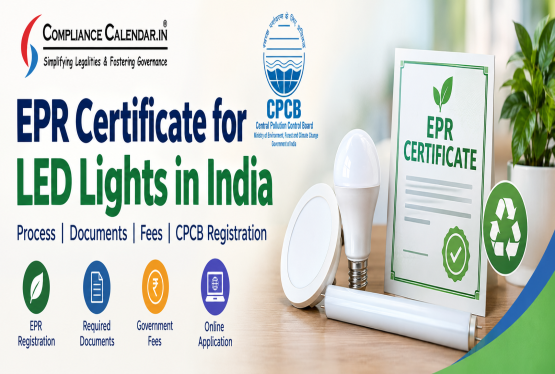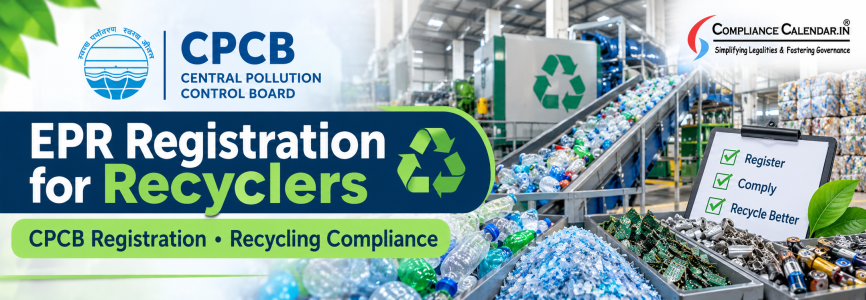



EPR Registration is an important requirement for many recycling businesses in India. If your business recycles plastic waste, electronic waste, old batteries, used tyres or used oil, you may need to register under the rules that apply to your work. This registration helps the government keep track of recycling activities and makes sure that waste is handled properly.
In simple words, EPR Registration is the process through which an eligible recycling business gets registered with the concerned government authority. After registration, the recycler must follow the applicable rules, maintain records and report how much waste it processes. Some registered recyclers can also generate EPR certificates, which producers can use to meet their recycling responsibilities. However, the process is different for each type of waste.
What is EPR Registration?
EPR stands for Extended Producer Responsibility. It means that businesses which manufacture, import or sell certain products have a responsibility to manage the waste created by those products after they are used. Recyclers help these businesses meet their waste management responsibilities. They collect and process waste and recover materials that can be used again. For example, a plastic recycler converts used plastic into recycled plastic granules. An e-waste recycler recovers useful metals from old computers and mobile phones.
Under India's waste management rules, eligible recycling businesses must register with the concerned authority. The registration process helps the government check the recycler's facility, processing capacity and recycling activities.
Why is EPR Registration important for recyclers?
- It allows eligible businesses to register under the applicable waste management rules.
- It helps the government monitor recycling activities.
- It creates a record of the waste received and processed.
- It allows eligible recyclers to generate EPR certificates under the applicable system.
- It helps businesses work within the formal waste management system.
One important point is that there is no single EPR registration for every recycler. A plastic recycler, battery recycler and e-waste recycler follow different rules and registration procedures.
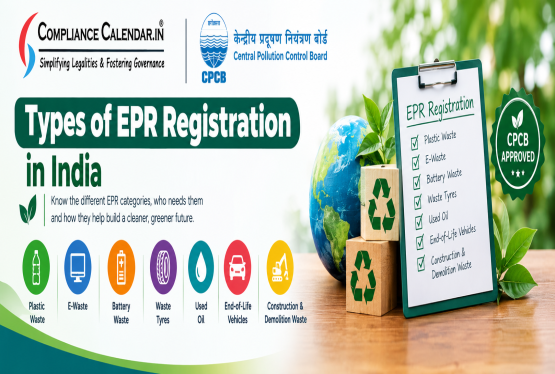
Different Types of EPR Registration for Recyclers in India
India has separate waste management rules for different types of waste. Therefore, a recycler must identify the correct category before applying.
|
Type of recycler |
What does the business recycle? |
Main rules |
|
Plastic waste recycler |
Plastic bottles, bags, containers and packaging |
|
|
E-waste recycler |
Computers, laptops, mobile phones and electronic equipment |
|
|
Battery waste recycler |
Used vehicle, inverter and lithium-ion batteries |
|
|
Waste tyre recycler |
Old vehicle tyres |
Hazardous and Other Wastes Rules and EPR provisions |
|
Used oil recycler |
Used engine oil and certain industrial oils |
Hazardous and Other Wastes Rules and EPR provisions |
|
Construction and demolition waste recycler |
Concrete, bricks, tiles and building waste |
Environment (Construction and Demolition) Waste Management Rules, 2025 |
|
End-of-life vehicle recycler |
Old vehicles that have reached the end of their useful life |
|
|
Non-ferrous metal scrap recycler |
Scrap metals such as aluminium, copper and zinc |
Applicable EPR framework for non-ferrous metal scrap |
EPR Registration for Plastic Waste Recyclers
A plastic waste recycler is a business that processes used plastic and turns it into material that can be used again. For example, a recycler may collect old plastic bottles, packaging material and containers. It sorts and cleans the plastic before processing it into small pieces or granules. These materials can then be used to make new plastic products.
Plastic waste recyclers are covered under the Plastic Waste Management Rules, 2016. Eligible recyclers must register as Plastic Waste Processors (PWPs) through the applicable CPCB online system. The registration process involves the concerned State Pollution Control Board (SPCB) or Pollution Control Committee (PCC).
What does a plastic waste recycler need to do?
- Provide business and factory details.
- Share information about machinery and recycling capacity.
- Explain the method used to process plastic waste.
- Obtain the required pollution-control permissions.
- Maintain records of plastic waste received and processed.
- Submit the required returns through the portal.
Registered plastic waste processors can generate processing certificates for eligible recycling activities. Producers, Importers and Brand Owners can use these certificates to meet their applicable EPR obligations.
Official portal: CPCB Common EPR Portal
EPR Registration for E-Waste Recyclers
E-waste means old or discarded electrical and electronic products. Computers, laptops, mobile phones, printers, televisions and other electronic equipment are common examples. When these products stop working or are no longer needed, they should be sent to an authorised recycling facility instead of being handled through unsafe methods.
An e-waste recycler separates and processes these products to recover useful materials such as copper, aluminium, iron and other metals. For example, an old computer contains several materials that can be recovered and used again in suitable industries. E-waste recyclers must follow the E-Waste (Management) Rules, 2022 and register through the CPCB E-Waste EPR Portal. The registration process requires details about the business, recycling facility, machinery, processing capacity and applicable approvals.
What does an e-waste recycler need to do?
- Register through the official CPCB portal.
- Provide details of the recycling facility and equipment.
- Maintain records of electronic waste received and processed.
- Follow the approved recycling process.
- Submit the required returns.
- Generate EPR certificates only for eligible recycling activities.
Official portal: CPCB E-Waste EPR Portal
EPR Registration for Battery Waste Recyclers
Battery waste recyclers process old and discarded batteries to recover useful materials. These batteries may come from cars, inverters, mobile phones, laptops and electric vehicles. Different batteries contain different materials, so the recycling method depends on the type of battery. For example, a lead-acid battery used in a vehicle contains lead and other materials that can be recovered through proper recycling. Lithium-ion batteries used in electric vehicles and electronic devices require a different recycling process.
Battery waste recyclers are covered under the Battery Waste Management Rules, 2022. They must register through the CPCB Battery Waste EPR Portal and follow the applicable requirements. The application generally requires company details, battery categories, factory information, processing capacity and supporting documents.
What does a battery waste recycler need to do?
- Register under the correct battery waste category.
- Provide details of the recycling unit and machinery.
- Explain the battery recycling process.
- Arrange the required pollution-control permissions.
- Maintain records of batteries received and processed.
- Submit the required returns and generate eligible EPR certificates.
Official portal: CPCB Battery Waste EPR Portal
EPR Registration for Waste Tyre Recyclers
Waste tyres are old tyres that are no longer suitable for use on vehicles. Instead of dumping them, they can be processed to recover useful materials. A waste tyre recycler may recover rubber, steel and other materials from discarded tyres. For example, a recycling facility may process old truck and car tyres to produce crumb rubber. This material can be used in certain industrial and road-related applications, subject to the applicable standards.
Waste tyre recycling is covered under the EPR provisions of the Hazardous and Other Wastes (Management and Transboundary Movement) Rules. Recyclers and other covered stakeholders must follow the prescribed registration and reporting requirements through the CPCB Waste Tyre Management Portal.
What does a waste tyre recycler need to do?
- Register through the applicable waste tyre system.
- Provide details of the recycling facility and machinery.
- Obtain the required permissions from the concerned pollution-control authority.
- Maintain records of tyres received and processed.
- Report the quantity of recycled material as required.
- Generate eligible EPR certificates under the prescribed system.
Official portal: CPCB Waste Tyre EPR Portal
EPR Registration for Used Oil Recyclers
Used oil is oil that has already been used and is no longer suitable for its original purpose without treatment. Used engine oil from cars, trucks and other vehicles is a common example. Certain industrial oils also fall under the applicable used oil rules. Used oil should not be poured into drains, soil or water because it can cause pollution. A registered recycling facility processes it to recover useful material. For example, used engine oil can be treated and reprocessed to produce recovered base oil.
The EPR provisions for used oil were introduced through amendments to the Hazardous and Other Wastes (Management and Transboundary Movement) Rules. Businesses carrying out covered recycling activities must follow the applicable registration, permission and reporting requirements.
What does a used oil recycler need to check?
- Whether its activity falls under the used oil EPR requirements.
- Which registration and pollution-control permissions are required.
- What details must be submitted about the recycling facility.
- How to maintain records of used oil received and processed.
- What returns and reports must be filed.
Important: The requirements for a used oil recycler may differ from those for a collection agent or another stakeholder. Check the correct category before applying.
EPR Registration for Construction and Demolition Waste Recyclers
Construction and demolition waste is produced when buildings, roads and other structures are built, repaired or demolished. It includes materials such as concrete, bricks, tiles, soil and other building debris. A construction and demolition waste recycler processes this material so that useful parts can be used again. For example, old concrete can be crushed and processed into recycled aggregates for suitable construction work. This reduces the amount of waste sent to dumping sites and lowers the need for fresh raw materials.
The Environment (Construction and Demolition) Waste Management Rules, 2025 introduced an EPR framework for this waste category. The CPCB has created an online system for registration, reporting and EPR certificate management. Covered recyclers must register through the applicable system and provide information about their processing activities.
What does a construction and demolition waste recycler need to do?
- Register on the applicable CPCB online system.
- Provide details of the recycling facility and processing capacity.
- Report the quantity of waste received and processed.
- Maintain records of recycled materials.
- Follow the applicable reporting and waste utilisation requirements.
- Generate EPR certificates through the system where eligible.
Official portal: CPCB C&D Waste Management System
EPR Registration for End-of-Life Vehicle Recyclers
An end-of-life vehicle is a vehicle that has become too old, damaged or unfit for use and is sent for scrapping. It may include old cars, commercial vehicles and other covered motor vehicles. A vehicle contains many materials that can be recovered, such as iron, steel, aluminium, copper, rubber and plastic. An authorised vehicle scrapping facility processes the vehicle and separates these materials for further use or recycling.
The Environment Protection (End-of-Life Vehicles) Rules, 2025 introduced an EPR framework for this category. Businesses involved in covered vehicle scrapping and recycling activities must check the applicable registration and approval requirements. They should also follow the prescribed system for reporting the vehicles and materials processed.
A business planning to operate in this sector should check:
- Whether it needs registration as a vehicle scrapping facility or another covered entity.
- Which permissions are required for the facility.
- What records must be maintained for vehicles received and processed.
- How recovered materials must be reported.
- Which EPR requirements apply to its particular activity.
EPR Framework for Non-Ferrous Metal Scrap Recyclers
Non-ferrous metals are metals that do not contain iron as their main component. Aluminium, copper, zinc and lead are common examples. These metals are used in electrical products, vehicles, machinery and many other items. A non-ferrous metal scrap recycler processes discarded metal products and industrial scrap to recover usable metal. For example, copper recovered from old electrical cables can be processed and used again in manufacturing.
India notified an EPR framework for scrap of non-ferrous metals in 2025. Businesses handling covered scrap should check the applicable rules and the registration process for their particular activity. They should not assume that a registration for plastic, battery or e-waste recycling automatically covers metal scrap.
Documents Required for EPR Registration as a Recycler
The documents required depend on the type of waste your business recycles. However, most applications ask for basic business details and information about the recycling facility.
Some commonly required documents and details include:
|
Document or information |
Why it may be required |
|
Business registration certificate |
To identify the legal business |
|
PAN card |
To verify the business details |
|
GST registration details |
For applicable tax and business information |
|
Identity details of authorised person |
To identify the person handling the application |
|
Factory address proof |
To confirm the location of the recycling unit |
|
Machinery details |
To understand the equipment used |
|
Processing capacity |
To know how much waste the facility can handle |
|
Recycling process details |
To understand how the waste is treated |
|
Consent to Establish and Consent to Operate |
Pollution-control permissions, where applicable |
|
Other approvals and declarations |
As required under the relevant waste rules |
This is a general list. A battery recycler may need different supporting documents from a plastic recycler. It is better to prepare the checklist for your specific waste category before starting the application.
How to Apply for EPR Registration as a Recycler
The application process depends on the type of waste your business handles. However, the general steps are similar.
Step 1: Identify your waste category
First, decide whether your business recycles plastic, e-waste, batteries, tyres, used oil, construction waste or another covered category.
Step 2: Check the applicable rules
Read the rules for your waste category and identify the concerned authority. This will help you select the correct registration process.
Step 3: Arrange the required permissions
Check whether your recycling facility needs Consent to Establish, Consent to Operate or any other permission from the pollution-control authority.
Step 4: Prepare your documents
Collect your business registration details, factory address proof, machinery information, processing capacity and other required documents.
Step 5: Apply through the correct portal
Create an account on the applicable government portal, fill in the details and upload the required documents. Pay the prescribed fee, if applicable.
Step 6: Complete verification
The concerned authority may review your documents and facility details. It may ask for additional information or corrections.
Step 7: Receive registration
Once the application is approved, you can access your registration certificate through the applicable system. Follow the conditions mentioned in the certificate and the relevant rules.
What Are the Responsibilities of a Registered Recycler?
Getting EPR Registration is only the first step. A recycler must continue to follow the applicable rules after receiving approval.
The main responsibilities may include:
- Processing only the waste categories covered by the registration.
- Following the approved recycling method and facility conditions.
- Maintaining records of waste received and processed.
- Keeping correct details of the quantity of waste recycled.
- Submitting the required returns on time.
- Generating certificates only for eligible recycling activities.
- Cooperating with inspections and audits, where required.
- Informing the authority about changes whenever the rules require it.
For example, if a recycler reports that it processed 100 tonnes of plastic waste, it should have proper records to support that quantity. Incorrect reporting or false information can lead to regulatory action.
How Can Compliance Calendar Help with EPR Registration?
If you are planning to start a recycling business or already operate a recycling facility, it is important to understand which registration applies to you. Applying under the wrong category or submitting incomplete documents can delay the process.
Compliance Calendar LLP can help businesses understand the applicable EPR Registration requirements, prepare documents and get guidance on the application process for their waste category.
For assistance, contact Compliance Calendar LLP:
Phone: +91 9988424211
Email: info@ccoffice.in
FAQs About EPR Registration
1. Is EPR Registration compulsory for recyclers in India?
It is compulsory for recyclers covered by the relevant waste management rules. The requirement depends on the type of waste your business processes and the activity it carries out.
2. Can one EPR Registration cover plastic, battery and e-waste recycling?
No. Different waste categories have different rules and registration requirements. If your business handles more than one category, you should check whether separate registrations are needed.
3. Who grants EPR Registration to recyclers?
The concerned authority depends on the waste category. CPCB manages the central online systems, while State Pollution Control Boards or Pollution Control Committees are involved in registration and verification for certain categories.
4. Can a new recycling business apply for EPR Registration?
Yes. A new business can apply if it meets the requirements for its waste category and has the necessary facility details and permissions.
5. Do recyclers need pollution-control approval?
Many recycling facilities need permissions such as Consent to Establish and Consent to Operate. The exact requirements depend on the type of waste and the facility.
6. Can a recycler generate an EPR certificate?
Eligible registered recyclers can generate EPR certificates through the relevant portal, based on the applicable rules and verified recycling information. The process differs between waste categories.
7. Do registered recyclers need to file returns?
Yes. Many waste management rules require recyclers to maintain records and submit prescribed returns. The reporting format and deadlines depend on the category.
8. Can I recycle waste without EPR Registration?
If registration is compulsory for your activity, you must obtain it before starting the regulated activity. Other permissions may also be required.
9. Is the EPR Registration process the same in every state?
No. Central rules provide the main framework, but the concerned State Pollution Control Board or Pollution Control Committee may handle verification and other steps. Requirements can differ by category and state.
10. Where can I apply for EPR Registration?
You must apply through the portal or registration system for your waste category. Plastic, e-waste, battery waste, waste tyres, used oil and construction and demolition waste have different systems or procedures.
11. Can a recycler apply for EPR Registration for more than one type of waste?
A business may carry out more than one recycling activity, but it must meet the registration and approval requirements for each applicable waste category. One registration should not be assumed to cover every activity.
12. What happens if a recycler does not follow EPR rules?
A recycler that fails to follow the applicable registration, reporting or processing requirements may face regulatory action. The consequences depend on the relevant rules and the nature of the violation.
Article last updated on : 03 Nov 2026.










_learn_crop10_thumb.jpg)