


A copyright search is an enquiry into whether a creative work is already protected, who claims to own it, and whether your intended use, adaptation or registration could clash with someone else's rights. In India, copyright arises automatically the moment an original literary, dramatic, musical or artistic work, cinematograph film or sound recording is created, so no single list of every protected work exists. What does exist is the Register of Copyrights, kept by the Copyright Office under the Department for Promotion of Industry and Internal Trade (DPIIT), which records ownership claims for works whose owners chose to register.
A search of that register, combined with a wider check of the market and the internet, is the practical way to reduce risk before you publish a book, release a song, use an artwork, license software or file your own application. This article explains the legal basis, the types of search, where to look, the limits, and answers twenty common questions.
Legal Framework
Copyright protection in India is governed by the Copyright Act, 1957 (as substantially amended in 2012) together with the Copyright Rules, 2013. Section 13 of the Act specifies the categories of works that receive protection, Section 17 determines who is the first owner of copyright in a work, and the term of protection is set out from Section 22 onwards, for most original works it lasts for the lifetime of the author plus 60 years. Sections 44 to 50 establish the Register of Copyrights, permit the copyright owner to apply for registration of a work, and provide that the particulars entered in the Register constitute prima facie evidence; this evidentiary value is the principal reason a search of the Register is useful.
Registration itself remains optional under Section 45, while Section 51 defines what constitutes infringement independently of whether the work has been registered. India is a party to the Berne Convention, and through the International Copyright Order, 1999, protection is extended to works originating in other Berne member countries without any requirement of registration in India. Since the Tribunals Reforms Act, 2021 abolished the Intellectual Property Appellate Board, applications for rectification of incorrect entries in the Register are now filed before the High Court.
Types of Copyright Searches
Copyright searches generally fall into four categories. A registry search identifies registered works using details such as title, author, applicant or work category. A status search tracks an application’s progress through its diary number, indicating whether it is under review, objected to or registered. A market or common-law search explores unregistered works through online searches, reverse-image tools, publisher and label catalogues, film associations and copyright societies like the Indian Performing Right Society (IPRS).
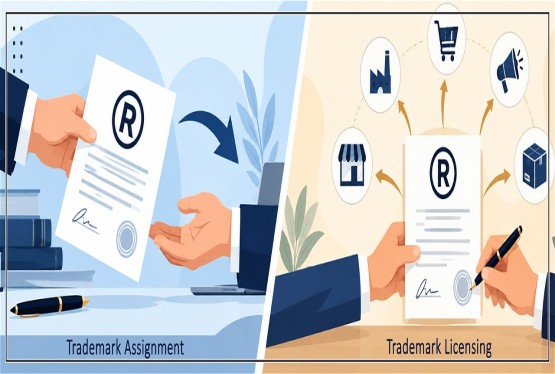
Lastly, a chain-of-title search verifies current ownership by reviewing assignments, licences and author agreements. Under Section 19, copyright assignments must be in writing to be valid. While registry and status searches reveal official records, market and ownership searches help determine whether a work can be used safely.
Where to Search
First step would be to check the Copyright Office’s website copyright.gov.in that facilitates online filing and tracking applications by their diary numbers. Search options on the website will differ from time to time, so do confirm the available options before using it. Section 48 of the Act permits inspection of the Register and any index thereto, and the taking out of a certified copy of an entry in the Register on payment of the prescribed fee, by the Copyright Office, New Delhi.
Other places to look for beyond the Register include Google searches, reverse image searches, ISBNs, publishers, YouTube/other streaming media services and collecting societies like IPRS, Phonographic Performance Limited (PPL India) and Indian Singers’ Rights Association (ISRA).
Step-by-Step Process
-
Define the work precisely: its class (literary, musical, artistic, film, software and so on), title, author, language and year.
-
List search terms: the title, alternative spellings, Hindi or regional-script transliterations, author and applicant names, and distinctive phrases.
-
Search the Copyright Office portal and, where needed, request inspection or a certified extract.
-
Run a wider search across the internet, marketplaces, publisher and label catalogues, and collecting-society repertoires.
-
Check the chain of title for any work you want to use, adapt or buy, including assignments, licences and moral-rights issues under Section 57.
-
Record the date, sources and keywords used, save screenshots, and have an IP lawyer read the results before you proceed, license or file.
Limits of a Copyright Search
A search can never confirm that a work is safe to use freely. Since registering is voluntary, a huge number of protected works, most online content among them, never appear on the Register, and works from other countries are protected without any registration at all. An entry on the Register is only prima facie proof, which means it can later be amended or struck off, and the record may also trail behind recent assignments or licences.
Copyright generally does not cover titles or brief phrases, so matching titles points to resemblance, not to infringement. It also covers how an idea is expressed, not the idea itself, and whether infringement has occurred depends on substantial similarity, something no database can judge. A clean search result therefore means lower risk, not permission.
Searching for Different Types of Works
The appropriate search method varies according to the type of work involved. For books and articles, search the Copyright Register together with publisher catalogues and library databases using the author’s name, title and ISBN. In the case of music, note that the lyrics, musical composition, sound recording and performer’s rights may each be owned by different parties, so it is necessary to check the records of IPRS, PPL India and ISRA in addition to the Register.
For films and web series, examine producer and distributor records as well as the full chain of assignments covering the story, screenplay and music. When dealing with artwork and photographs, combine reverse-image searches and stock-library checks with an inquiry into whether ownership rests with the artist, an employer or a commissioner. For software, review any registered source-code entries along with open-source licences and public repositories, bearing in mind that the majority of code is never formally registered.
Best Practices and Common Mistakes
Search prior to any investment in the production, branding or publishing process; don’t wait until later. Utilize various spellings and languages, search by the author name in addition to the title, and maintain dated records; this will demonstrate your good faith should a conflict arise in the future. Don’t presume that content discovered online is automatically free, that nonexistence in a database means there is no owner, or that providing a credit line is equivalent to a licence.
Obtain an assignment or licence agreement, verify the scope of the agreement (territory, duration, media types, language), and check the copyright status of any older works. Consult with an attorney when a work has multiple contributors, or if a film, musical or software creation, or created by an employee/freelancer.
Conclusion
A copyright search in India is a layered exercise rather than a single database query. The Register of Copyrights shows what owners have chosen to record, but because protection arises automatically, a full picture also needs market checks, chain-of-title review and legal judgment.
Done early and documented properly, a search lowers the risk of infringement claims, strengthens your own registration or licensing position, and saves cost. Use it as a risk-management tool, confirm current procedures and fees on the official portal, and consult an IP professional for commercially important works. This article is general information, not legal advice.
Frequently Asked Questions
Q1. What is a copyright search?
Ans. A check of official and market sources to learn whether a work is protected, who owns it, and whether your use or registration may conflict with existing rights.
Q2. Is a copyright search mandatory in India?
Ans. No law requires it, but it is a sensible due-diligence step before publishing, licensing or registering a work.
Q3. Is copyright registration compulsory?
Ans. No. Section 45 makes it optional, though registration gives prima facie evidence of ownership and helps enforcement.
Q4. Who maintains the Register of Copyrights?
Ans. The Registrar of Copyrights at the Copyright Office in New Delhi, functioning under DPIIT.
Q5. Can I search online?
Ans. Partly. The portal at copyright.gov.in supports application tracking, but its public search features have changed, so check what is currently available.
Q6. What is a diary number?
Ans. A unique number allotted when an application is filed, used to track its status.
Q7. Which details help a search?
Ans. Title, author, applicant, class of work, language, year of creation or publication, and the registration number if known.
Q8. Does a missing registry entry mean the work is free to use?
Ans. No. Protection is automatic, so unregistered works remain protected.
Q9. Are foreign works protected in India?
Ans. Yes, through the Berne Convention and the International Copyright Order, 1999, without any Indian registration.
Q10. Is there a fee for searching or inspection?
Ans. Inspection and certified copies attract prescribed fees under the Copyright Rules; check the current schedule on the official portal.
Q11. How long does copyright last?
Ans. Generally the author's life plus 60 years for literary, dramatic, musical and artistic works, and 60 years from publication for films, sound recordings and photographs.
Q12. Is a title protected by copyright?
Ans. Generally no, though a distinctive title may be protected through trademark or passing-off law.
Q13. How do I search for a song or film?
Ans. Check the Register, collecting societies and producer or label records, because lyrics, music, sound recording and film rights may belong to different owners.
Q14. Does a search cover software?
Ans. Only partly. Source code is a literary work and can be registered, but most software is unregistered, so also check repositories and licences.
Q15. How long does a search take?
Ans. Online checks take minutes, while inspection or certified copies depend on the Copyright Office's processing time.
Q16. Who can inspect the Register?
Ans. Under the Act, the Register is open to public inspection on payment of the prescribed fee.
Q17. Is a search result admissible in court?
Ans. Certified copies of Register entries are admissible as prima facie evidence, whereas uncertified screenshots carry much less weight.
Q18. What if I find a similar work?
Ans. Compare substance, not just titles, since infringement needs substantial copying. Consider a licence, modification or legal advice.
Q19. Can I search myself or do I need a lawyer?
Ans. You can run a basic search yourself, but an IP lawyer helps with chain of title, similarity assessment and commercial decisions.
Q20. What if I use a work without searching?
Ans. You may face civil remedies such as injunctions and damages and criminal liability for knowing infringement.
Article last updated on : 02 Nov 2026.