_crop6_thumb.png)



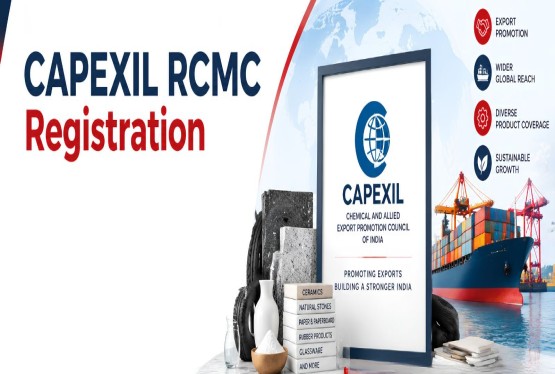
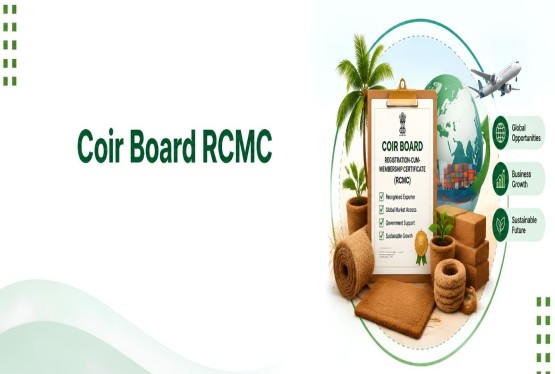
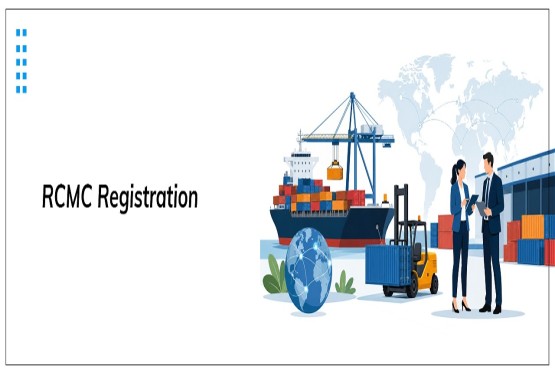
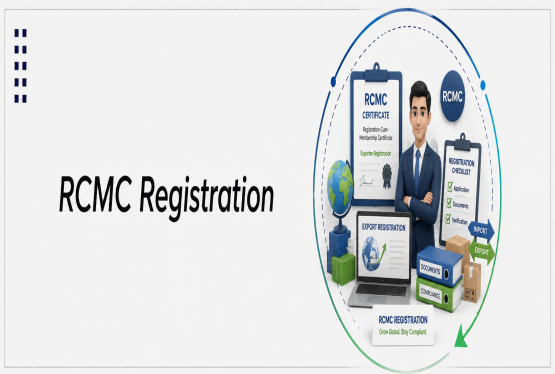
India’s export ecosystem has witnessed significant digital transformation in recent years. With increasing opportunities for businesses to enter global markets, exporters are required to follow various regulatory procedures to ensure smooth international trade operations. One such important requirement is the Registration-Cum-Membership Certificate (RCMC).
RCMC Registration acts as official recognition of an exporter’s association with the relevant Export Promotion Council (EPC), Commodity Board, or Export Development Authority. It helps exporters establish their identity within the export ecosystem and enables them to access various export-related benefits and support mechanisms.
The Directorate General of Foreign Trade (DGFT) has continuously simplified the RCMC application process through digital platforms. Exporters can now apply, renew, and manage RCMC-related services through the DGFT e-RCMC platform.
In 2026, several developments have focused on reducing compliance burden for small exporters while strengthening digital export facilitation. A major update is the relaxation introduced for certain low-value export consignments, where exporters shipping goods up to ?3 lakh are exempted from obtaining RCMC. This change aims to support small businesses, MSMEs, artisans, and first-time exporters entering international markets.
For businesses planning long-term export growth, understanding the latest RCMC requirements, eligibility, process, and compliance obligations is essential.
What is RCMC Registration?
Registration-Cum-Membership Certificate (RCMC) is a certificate issued by recognised Export Promotion Councils, Commodity Boards, or export-related authorities to exporters dealing in specific products.
The certificate confirms that the exporter is registered with the appropriate organisation based on their main line of business.
For example:
- Agricultural exporters may obtain RCMC from APEDA.
- Engineering exporters may register with EEPC India.
- Textile exporters may approach relevant textile councils.
- Coir exporters may obtain registration from the Coir Board.
The purpose of RCMC is to connect exporters with industry-specific bodies that support export development, market promotion, and trade facilitation. Under the Foreign Trade Policy framework, exporters seeking certain export benefits, authorisations, or concessions may require valid RCMC from the relevant authority.
Latest RCMC Registration Update 2026
1. Exemption for Export Shipments Up to ?3 Lakh
One of the major export compliance changes in 2026 is the exemption from RCMC requirements for export consignments valued up to ?3 lakh. The government introduced this relaxation to reduce compliance requirements for small exporters and encourage more businesses to participate in international trade.
This exemption is particularly beneficial for:
- Small exporters
- MSMEs
- Artisans
- E-commerce exporters
- First-time exporters
The objective behind this change is to simplify market entry for businesses testing international demand through smaller shipments.
However, businesses undertaking regular exports, applying for export benefits, or expanding their international operations should carefully evaluate whether RCMC registration remains applicable.
2. Continued Expansion of Digital e-RCMC System
The DGFT has continued promoting electronic filing of RCMC applications through the common digital platform. The e-RCMC system provides a single-window mechanism where exporters can:
- Apply for fresh RCMC
- Apply for renewal
- Request amendments
- Track application status
- Maintain digital records
The digital approach reduces paperwork and improves transparency between exporters and issuing authorities.
3. Greater Focus on Export Facilitation for MSMEs
The 2026 export policy approach focuses significantly on increasing participation of smaller businesses in global trade.
MSMEs often face challenges related to:
- Regulatory understanding
- Documentation
- Market access
- Compliance costs
Simplification of RCMC requirements for small-value exports helps reduce initial barriers and encourages entrepreneurs to explore international opportunities.
Legal Provisions Related to RCMC Registration
Foreign Trade Policy (FTP)
The foundation of RCMC requirements comes from India’s Foreign Trade Policy administered by DGFT.
The Foreign Trade Policy provides guidelines regarding:
- Exporter registration
- Export promotion benefits
- Authorisations
- Institutional support mechanisms
RCMC is generally issued by recognised Export Promotion Councils and Commodity Boards according to exporter product categories.
Role of Directorate General of Foreign Trade (DGFT)
DGFT operates under the Ministry of Commerce and Industry and is responsible for implementing India’s export-import policy.
The authority manages:
- Import Export Code (IEC)
- Export authorisations
- Digital export services
- e-RCMC facilities
Exporters must use DGFT systems for various export-related registrations and approvals.
Who Needs RCMC Registration?
RCMC requirements depend on the nature of export activity and the benefits an exporter intends to claim.
Generally, the following businesses may require RCMC:
Manufacturers Exporters
Businesses manufacturing goods and exporting them directly to foreign markets usually require registration with the relevant export promotion authority. The registration helps them connect with industry bodies and participate in export development programmes.
Merchant Exporters
Merchant exporters who purchase goods from manufacturers and export them under their own name may also require RCMC. They need to identify the correct council based on the products being exported.
Service Exporters
Certain service exporters may require registration with relevant service export councils depending on their sector.
Benefits of RCMC Registration for Exporters
1. Access to Export Promotion Activities
RCMC enables exporters to associate with recognised export bodies.
These organisations conduct:
- Trade exhibitions
- Buyer-seller meetings
- International promotion events
- Market development programmes
Such platforms help exporters identify new business opportunities.
2. Improves Export Credibility
International buyers prefer working with businesses that demonstrate proper compliance. RCMC provides additional credibility by showing that the exporter is connected with an authorised export organisation.
3. Support in Global Market Expansion
Export councils provide sector-specific information regarding:
- International demand
- Market trends
- Export opportunities
- Industry developments
This support helps businesses plan their expansion strategies.
4. Access to Export Benefits
A valid RCMC may be required for exporters seeking certain benefits, schemes, or facilities under export policies. Businesses should check specific scheme requirements before applying.
Eligibility Requirements for RCMC Registration
An exporter generally needs to fulfil the following requirements:
Valid Import Export Code (IEC)
IEC issued by DGFT is the basic requirement for businesses engaged in international trade. Without IEC, exporters cannot legally undertake export activities.
Registered Business Entity
Applicants may include:
- Proprietorship firms
- Partnership firms
- LLPs
- Private Limited Companies
- Other recognised entities
The business should have valid registration documents.
Export Product Classification
The exporter must select the correct product category while applying. The appropriate Export Promotion Council or Commodity Board depends on the main line of business. DGFT’s e-RCMC process requires exporters to declare their mainstream business while selecting the registering authority.
Documents Required for RCMC Registration
Common documents include:
Business Documents
- Certificate of Incorporation
- Partnership deed
- LLP Registration
- Proprietorship proof
Tax Documents
- PAN Card
- GST Registration Certificate
Export Documents
- IEC Certificate
- Product details
- Export category information
Banking Details
- Cancelled cheque
- Bank certificate/details
Additional documents may vary depending on the council or authority.
Step-by-Step Process for RCMC Registration 2026
Step 1: Obtain IEC Registration
Businesses must first obtain IEC from DGFT. IEC acts as the identification number for exporters and importers.
Step 2: Identify Appropriate Export Promotion Council
Exporters must select the correct authority based on their product category. Choosing the wrong council may result in delays.
Step 3: Apply Through DGFT e-RCMC Portal
The exporter needs to:
- Login through DGFT portal
- Select e-RCMC service
- Choose relevant council
- Submit details
- Upload documents
Step 4: Verification by Authority
The concerned Export Promotion Council or Board reviews the application. After successful verification, RCMC is issued.
Validity and Renewal of RCMC
RCMC validity is generally linked with the applicable Foreign Trade Policy provisions and issuing authority requirements.
Exporters should monitor:
- Expiry date
- Renewal requirements
- Membership obligations
Timely renewal helps avoid disruption in export-related activities.
Common Mistakes Exporters Should Avoid
Selecting Incorrect Export Council
Many exporters face delays due to selecting an inappropriate authority.Businesses should identify their primary product category before applying.
Providing Incorrect Information
Errors in:
- Product details
- IEC information
- Business details
may lead to rejection or additional queries.
Ignoring Changes in Export Policy
Export regulations continue evolving. Businesses should regularly monitor DGFT notifications and policy updates.
How Compliance Calendar Helps With RCMC Registration
Managing export compliance requires proper understanding of regulations, documentation, and authority requirements.
Compliance Calendar assists businesses with:
- RCMC applicability assessment
- Selecting the correct council
- Documentation support
- Application filing assistance
- Renewal guidance
- Export compliance management
Our professional support helps exporters complete registration requirements efficiently while focusing on international business growth.
Conclusion
RCMC registration continues to play an important role in India’s export ecosystem by connecting businesses with recognised export promotion authorities. The latest 2026 updates focus on simplifying compliance for small exporters while strengthening digital processes through DGFT platforms. Businesses entering global markets should understand whether RCMC applies to their activities, select the correct authority, maintain proper documentation, and stay updated with policy changes. For exporters, compliance is not only a regulatory requirement but also a foundation for building credibility, accessing opportunities, and achieving sustainable global growth.
Q1. What is the latest RCMC update in 2026? Ans: The 2026 update introduced relaxation for export consignments up to ?3 lakh by exempting them from RCMC requirements. This step aims to reduce compliance burden and encourage small exporters to participate in global trade. Q2. Is RCMC mandatory for all exporters? Ans: RCMC applicability depends on the exporter’s product category, business activity, and benefits being claimed. Certain small-value exports may qualify for exemption under updated guidelines. Q3. How can exporters apply for RCMC in 2026? Exporters can apply through the DGFT e-RCMC portal by selecting the relevant Export Promotion Council or Commodity Board and submitting required documents for verification. Q4. What is the validity period of RCMC? Ans: The validity of RCMC depends on Foreign Trade Policy provisions and the issuing authority’s requirements. Exporters should monitor renewal timelines to maintain active registration. Q5. Can MSMEs benefit from RCMC registration? Ans: Yes, RCMC helps MSMEs build export credibility, participate in trade promotion activities, access market opportunities, and connect with recognised export organisations. Q6. Which authority issues RCMC? Ans: RCMC is issued by recognised Export Promotion Councils, Commodity Boards, and export-related authorities based on the exporter’s product category and business activities. Q7. Is IEC required before applying for RCMC? Ans: Yes, exporters generally need a valid Import Export Code (IEC) issued by DGFT before applying for RCMC registration through the e-RCMC platform. Q8. What happens if an exporter does not obtain required RCMC? Ans: If applicable RCMC is not obtained, exporters may face difficulties in accessing certain export benefits, schemes, or fulfilling compliance requirements under export regulations. Q9. Can RCMC be renewed online? Ans: Yes, exporters can apply for RCMC renewal through the DGFT e-RCMC system by submitting updated details and required documents as applicable. Q10. Why should businesses take professional assistance for RCMC? Ans: Professional support helps exporters select the correct authority, prepare accurate documents, complete filings properly, and manage ongoing export compliance efficiently.Frequently Asked Questions (FAQs)


_crop10_thumb.jpg)


_crop10_thumb.jpg)


-Form_crop10_thumb.jpg)

_crop10_thumb.jpg)


_learn_crop10_thumb.jpeg)


_crop10_thumb.jpg)

_crop10_thumb.jpg)


_crop10_thumb.jpg)




_for_Foreign_Directors_learn_crop10_thumb.jpeg)


_Act,_2015_learn_crop10_thumb.jpg)










_learn_crop10_thumb.jpg)










































_crop10_thumb.jpg)

_crop10_thumb.jpg)


_(1)_crop10_thumb.jpg)












_crop10_thumb.png)











_crop10_thumb.jpg)


_crop10_thumb.jpg)





_crop10_thumb.png)
_crop10_thumb.jpg)