
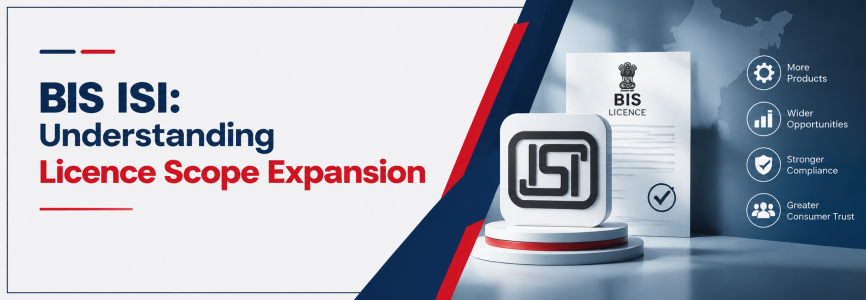



Quality standards are no longer limited to a few industries—today, more products than ever are coming under mandatory certification requirements. Is your product category ready for the expanding BIS ISI compliance landscape?
India’s focus on consumer safety, product reliability, and quality manufacturing has significantly increased the importance of BIS certification. With the expansion of mandatory standards across various sectors, manufacturers, importers, and businesses need to understand how BIS ISI licence requirements are evolving and how these changes impact their operations.
The Bureau of Indian Standards (BIS) plays a crucial role in establishing quality benchmarks for products sold in India. Under the BIS product certification framework, certain products are required to comply with Indian Standards and obtain certification before entering the Indian market. Understanding the expansion of BIS ISI licence scope is essential for businesses that want to remain compliant, avoid regulatory challenges, and build consumer trust.
What is BIS ISI Certification?
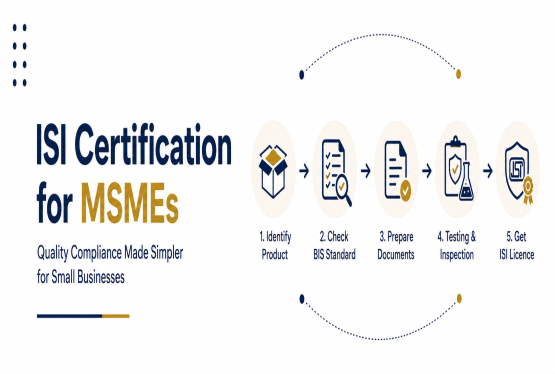
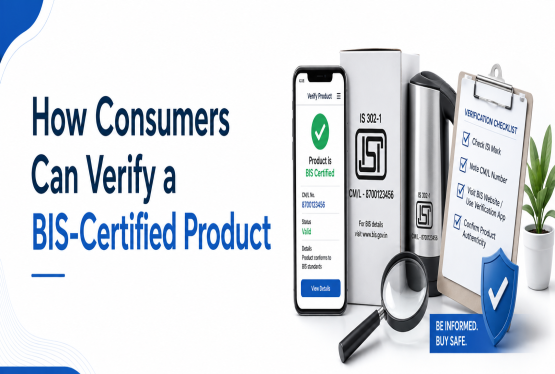
BIS ISI certification is a quality certification system that confirms whether a product complies with the applicable Indian Standards established by BIS. Products approved under the scheme are permitted to carry the ISI Mark, which represents conformity with prescribed safety, quality, and performance requirements. The certification framework is designed to ensure that products available to consumers meet defined quality parameters. While BIS certification may be voluntary for some products, the government makes certification mandatory for specific categories through Quality Control Orders (QCOs) considering factors such as consumer safety, health protection, environmental concerns, and prevention of unfair trade practices.
Why is the Scope of BIS ISI Licence Expanding?
The expansion of BIS ISI certification requirements is driven by several important factors:
1. Increasing Focus on Consumer Safety
Consumers today expect products that are safe, reliable, and durable. Poor-quality products can result in financial losses, safety hazards, and damage to consumer confidence. To address these concerns, regulatory authorities continue to introduce quality standards for more product categories. This ensures that manufacturers follow uniform safety and performance requirements.
2. Growth of Domestic Manufacturing
India’s manufacturing ecosystem has expanded rapidly across sectors such as:
- Electronics
- Electrical equipment
- Construction materials
- Automotive components
- Consumer goods
- Industrial products
As manufacturing grows, maintaining consistent quality standards becomes essential. BIS certification supports businesses by creating a structured quality framework for production.
3. Protection Against Substandard Products
The availability of low-quality products in the market can impact both consumers and genuine manufacturers. BIS ISI certification helps control the circulation of substandard products by ensuring that certified products meet specific technical requirements before being sold commercially.
4. Supporting India’s Quality-Focused Economy
India is moving towards becoming a global manufacturing hub. Strong product standards help Indian manufacturers improve quality, compete internationally, and create consumer confidence. A broader certification system encourages businesses to adopt better manufacturing practices and quality management systems.
Understanding Licence Scope Expansion Under BIS
Licence scope expansion refers to the process where an existing BIS licence holder adds additional products, models, variants, or standards under the same certification framework. As businesses diversify their product portfolios, they may require additional approvals to cover new products under their BIS licence.
For example, a manufacturer holding BIS certification for one product category may later introduce another product based on a different Indian Standard. In such cases, the manufacturer may need to apply for scope expansion after fulfilling applicable requirements.
Why Businesses Need to Monitor BIS Scope Changes
Businesses often focus on obtaining initial certification but overlook future product expansion requirements.
Monitoring BIS updates helps companies:
- Identify newly notified products
- Understand applicable Indian Standards
- Prepare compliance strategies
- Avoid selling uncertified products
- Plan product launches effectively
BIS regularly updates its product certification framework, guidelines, and certification requirements. Manufacturers should stay informed about changes affecting their industries.
Industries Impacted by BIS ISI Licence Expansion
1. Electrical and Electronic Products
Electrical safety remains one of the major areas where BIS certification plays an important role.
Products covered under mandatory certification may include:
- Electrical appliances
- Switches
- Cables
- Motors
- Power equipment
- Lighting products
Manufacturers dealing in electrical products must identify whether their products fall under mandatory BIS certification requirements.
2. Construction Materials
Construction quality directly impacts public safety. Several construction-related products require BIS certification to ensure strength, durability, and performance.
Examples include:
- Cement
- Steel products
- Pipes
- Building materials
The expansion of standards in this sector supports safer infrastructure development.
3. Consumer Goods
Daily-use consumer products are increasingly being brought under quality regulations. Certification helps ensure that consumers receive products meeting minimum safety and performance expectations.
4. Industrial Equipment
Industrial products require strict quality control due to their operational importance. BIS certification helps manufacturers demonstrate that their equipment meets defined technical standards.
Benefits of BIS ISI Licence Expansion for Businesses
1. Wider Market Opportunities
When businesses expand their BIS licence scope, they can legally introduce more certified products into the market. This helps companies increase their product portfolio while maintaining regulatory compliance.
2. Improved Consumer Trust
The ISI Mark acts as a quality indicator for consumers. Certified products create greater confidence among buyers who look for safety and reliability.
3. Better Brand Reputation
Compliance with BIS standards reflects a company’s commitment towards quality manufacturing. Brands with proper certifications often enjoy stronger credibility among customers, distributors, and business partners.
4. Reduced Compliance Risks
Operating without required certification can result in regulatory action, financial penalties, and market restrictions. Maintaining an updated BIS licence helps businesses reduce compliance risks.
Process for BIS ISI Licence Scope Expansion
The general process for expanding BIS licence scope involves:
Step 1: Identify Additional Product Requirements
The manufacturer must determine:
- Applicable Indian Standard
- Product category
- Testing requirements
- Documentation requirements
Step 2: Product Testing
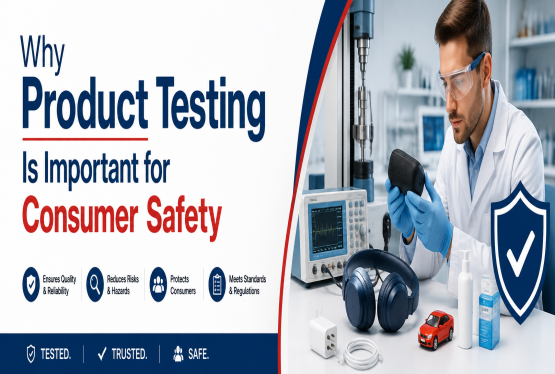
Samples may need to be tested at a BIS-recognised laboratory to verify compliance with applicable standards. Testing confirms whether the product meets required safety and quality parameters.
Step 3: Submit Scope Expansion Application
The manufacturer submits relevant details and supporting documents through the BIS certification system.
Documents may include:
- Product details
- Test reports
- Manufacturing information
- Technical documents
- Existing licence details
Step 4: BIS Evaluation
BIS reviews the application, test results, and compliance information before approving additional scope. The process ensures that only compliant products are added to the licence.
Common Mistakes Businesses Should Avoid
1. Assuming Existing Certification Covers All Products
A BIS licence is linked to specific products and standards. Businesses should not assume that one certification automatically covers all future products.
2. Launching Products Before Approval
Introducing a product requiring mandatory certification without obtaining approval can create compliance issues.
3. Ignoring Product Modifications
Changes in design, manufacturing location, components, or specifications may require evaluation under BIS guidelines.
4. Poor Documentation Management
Incomplete records can delay certification procedures and create unnecessary challenges during compliance reviews.
Role of Professional Compliance Support
BIS certification involves technical evaluation, documentation, testing coordination, and regulatory understanding.
Professional support can help businesses with:
- Product classification
- Applicable standard identification
- Documentation preparation
- Testing coordination
- Licence application filing
- Scope expansion assistance
- Compliance management
A structured approach allows manufacturers to manage certification requirements efficiently.
Future Outlook of BIS Certification in India
India’s regulatory environment is moving towards stronger quality control and standardisation. As more industries develop and consumer expectations increase, BIS certification will continue to play a significant role in ensuring product quality. Businesses should view BIS compliance not only as a regulatory obligation but also as an opportunity to strengthen their brand value and market position. The expansion of BIS ISI licence requirements reflects India’s commitment towards safer products, responsible manufacturing, and improved consumer protection.
Conclusion
BIS ISI licence scope expansion represents a major shift towards a quality-driven marketplace where compliance, safety, and reliability are becoming essential factors for business success. Manufacturers and importers must regularly evaluate whether their products fall under expanded certification requirements and take timely action to remain compliant.
Obtaining and maintaining the right BIS certification helps businesses access wider markets, improve customer confidence, and establish a strong reputation in India’s growing economy. Quality compliance is no longer just a requirement—it is a competitive advantage.
FAQs
Q1. What is BIS ISI certification?
Ans. BIS ISI certification confirms that a product complies with applicable Indian Standards established by the Bureau of Indian Standards. Certified products can display the ISI Mark after meeting required quality and safety standards.
Q2. Why is BIS ISI licence scope expanding?
Ans. The scope is expanding due to increasing focus on consumer safety, quality manufacturing, prevention of substandard products, and the need to maintain consistent standards across growing industries.
Q3. Does BIS certification apply to all products?
Ans. No. BIS certification is mandatory only for products notified under applicable government regulations. Some products may have voluntary certification requirements.
Q4. Can a manufacturer add new products to an existing BIS licence?
Ans. Yes. Manufacturers can apply for scope expansion to include additional products or standards after fulfilling applicable testing and compliance requirements.
Q5. Is BIS certification mandatory for imported products?
Ans. If an imported product falls under mandatory BIS certification requirements, the importer or foreign manufacturer must ensure compliance before selling it in India.
Q6. What happens if a company sells products without required BIS certification?
Ans. Selling products requiring mandatory BIS certification without approval may lead to regulatory action, penalties, and restrictions on market operations.
Q7. How long does BIS ISI certification remain valid?
Ans. The validity of a BIS licence depends on applicable BIS regulations and conditions. Licence holders must follow renewal and compliance requirements to continue using the ISI Mark.
Q8. What documents are required for BIS ISI certification?
Ans. Documents generally include company details, manufacturing information, product specifications, test reports, technical documents, and other information required by BIS.
Q9. Can BIS certification improve brand credibility?
Ans. Yes. BIS certification demonstrates commitment towards quality and safety, helping businesses build consumer confidence and strengthen their market reputation.
Q10. How can businesses manage BIS compliance effectively?
Ans. Businesses can manage BIS compliance by monitoring regulatory updates, maintaining proper documentation, conducting timely testing, and seeking professional guidance for certification and scope expansion requirements.


_crop10_thumb.jpg)


_crop10_thumb.jpg)


-Form_crop10_thumb.jpg)

_crop10_thumb.jpg)


_learn_crop10_thumb.jpeg)


_crop10_thumb.jpg)

_crop10_thumb.jpg)


_crop10_thumb.jpg)




_for_Foreign_Directors_learn_crop10_thumb.jpeg)


_Act,_2015_learn_crop10_thumb.jpg)










_learn_crop10_thumb.jpg)



































_crop10_thumb.jpg)

_crop10_thumb.jpg)
_(1)_crop10_thumb.jpg)








_crop10_thumb.png)






_crop10_thumb.jpg)

_crop10_thumb.jpg)




_crop10_thumb.png)


_crop10_thumb.jpg)







_crop10_thumb.png)









_crop10_thumb.jpg)
