



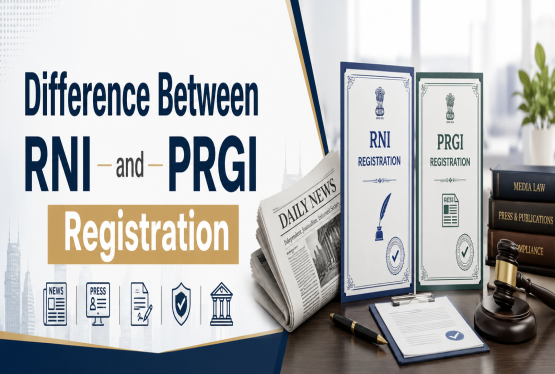
Not every printed publication can be called a newspaper. A publication may contain articles, photographs, advertisements, opinions, and current affairs, but its format, frequency, editorial purpose, and compliance requirements determine whether it qualifies as a newspaper or another type of periodical. In India, publications that are brought out periodically and contain news, views, comments, or information of public interest are subject to a regulatory framework. The Press Registrar General of India (PRGI) plays an important role in the registration and regulatory administration of newspapers and periodicals.
Understanding what makes a publication a newspaper is important for publishers, editors, media entrepreneurs, printing presses, and businesses planning to launch a new publication. It helps them select an appropriate title, understand registration requirements, maintain publication records, and comply with applicable laws. This article explains the key characteristics of a newspaper, the difference between a newspaper and other publications, and the importance of PRGI registration in India.
What Is a Newspaper?
A newspaper is generally understood as a regularly published periodical that provides news, information, analysis, opinions, and other content concerning matters of public interest. Unlike a one-time publication, a newspaper is issued at regular intervals. Its content is generally focused on current events and developments rather than being limited to a single subject or occasional publication. A newspaper may be published in print and can serve a local, regional, national, or specialized audience. Depending on its nature, it may cover politics, business, sports, entertainment, education, technology, social issues, local events, and other areas of public interest. However, simply printing news-related articles does not automatically make a publication a newspaper. The publication must satisfy the applicable regulatory and operational requirements.
Key Characteristics of a Newspaper
Several factors help distinguish a newspaper from other publications.
1. Regular Periodicity
One of the most important characteristics of a newspaper is regular publication.
A newspaper may be published daily, weekly, fortnightly, or at another declared periodicity, depending on its registration and publication model. The publisher is expected to follow the periodicity under which the publication is registered.
For example:
- Daily newspapers are generally published every day.
- Weekly newspapers are issued once every week.
- Fortnightly publications are issued once every two weeks.
2. News-Oriented Content
A newspaper primarily focuses on news, current affairs, views, comments, or information of public interest.
Its content may include:
- National news
- International news
- Local news
- Business developments
- Political developments
- Sports
- Entertainment
- Education
- Science and technology
- Social issues
- Public announcements
- Editorial opinions
3. A Distinctive Title
A newspaper must have a title that distinguishes it from other registered publications. Choosing a suitable newspaper title is therefore an important part of the publishing process. The proposed title should not create confusion with an existing newspaper or periodical. Publishers should conduct appropriate title research before proceeding with a PRGI Title Application.
A distinctive title helps:
- Establish the identity of the publication
- Avoid confusion with another publication
- Support registration
- Build a recognizable media brand
- Reduce the risk of title-related objections
4. Declared Place of Publication
A newspaper is associated with a specific place of publication. The publication details generally identify where the newspaper is published and printed. This information is important for regulatory records and helps establish the operational identity of the publication. If a newspaper operates from multiple locations, the applicable regulatory requirements should be carefully considered for each location.
5. Editorial Responsibility
A genuine newspaper normally has editorial responsibility for the content it publishes. Editors and publishers play different but connected roles. The publisher is responsible for the overall publication operation, while editorial personnel oversee the selection, preparation, and presentation of editorial content.
This editorial structure helps maintain:
- Accuracy
- Accountability
- Consistency
- Professional standards
- Responsible reporting
6. Public Information and News Function
Newspapers perform an important information function. They help readers understand developments taking place in their communities, states, countries, and around the world. A newspaper may report on government decisions, business activities, public events, social developments, local issues, and other matters that are relevant to its target audience. This public-information function is one of the major factors distinguishing a newspaper from a purely promotional brochure or advertising publication.
Newspaper vs Magazine: What Is the Difference?
Newspapers and magazines are both periodicals, but their content and publishing characteristics can differ significantly. A newspaper typically focuses more heavily on current events, news, reports, public information, and timely commentary. Magazines, on the other hand, often focus on specialized or thematic content. They may cover areas such as fashion, lifestyle, technology, business, entertainment, health, travel, or hobbies.
Major differences include:
| Factor | Newspaper | Magazine |
| Main purpose | News and current information | Thematic or specialized content |
| Frequency | Often daily/weekly | Usually weekly/monthly/quarterly |
| Content style | Timely news and reports | Features and detailed articles |
| Audience | General or regional | Often niche or specialized |
| Presentation | Usually news-focused | Often more design-oriented |
| Editorial approach | Current events and public interest | Subject-specific coverage |
However, the exact classification of a publication depends on its characteristics and applicable legal and regulatory framework rather than simply its design or name.
Newspaper vs Newsletter
A newsletter is another type of publication that can sometimes appear similar to a newspaper.
Newsletters are commonly created by:
- Companies
- Associations
- Educational institutions
- Non-profit organizations
- Professional bodies
- Communities
Why Is PRGI Registration Important?
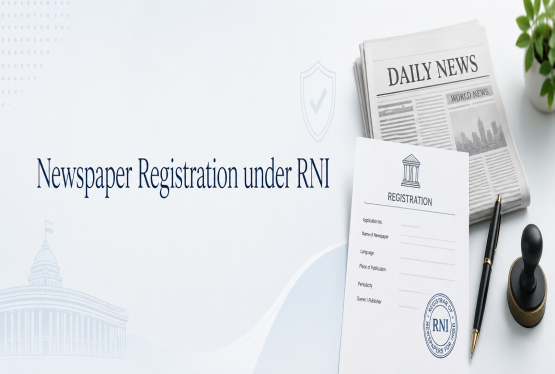
In India, the registration of newspapers and periodicals is administered under the applicable legal framework through the Press Registrar General of India (PRGI). The registration process helps establish the official identity of a publication and records important information relating to its title, publisher, language, periodicity, place of publication, and other relevant particulars. For anyone planning to launch a newspaper, understanding PRGI Newspaper Registration is therefore an important step. The process generally involves title-related formalities, publisher and publication details, and compliance with the applicable requirements.
Understanding the PRGI Title Application
One of the first important considerations for a new publication is the proposed title. A publisher should select a title carefully rather than choosing a name based solely on marketing appeal. Before applying, publishers should consider whether the proposed name:
- Is distinctive
- Is not confusingly similar to an existing publication
- Is appropriate for the proposed publication
- Can be consistently used
- Does not create unnecessary legal or regulatory complications
What Information Is Generally Associated With a Newspaper Registration?
Depending on the applicable process and requirements, publishers may need to provide information concerning:
- Proposed publication title
- Language of publication
- Periodicity
- Place of publication
- Publisher details
- Owner details
- Printer details
- Printing press details
- Publication-related declarations
- Other prescribed information and documents
Importance of Periodicity
Periodicity is not merely a label on registration documents. It represents the frequency at which a publication is intended to be issued. For example, if a publication is registered as a weekly newspaper, the publisher should maintain a publishing schedule consistent with that periodicity. Failure to maintain the required publishing frequency may create compliance issues.
Publishers should therefore establish an internal publication calendar covering:
- Editorial planning
- News collection
- Content review
- Printing
- Distribution
- Record maintenance
Role of the Publisher
The publisher is responsible for managing the publication's operational side.
Responsibilities may include:
- Coordinating printing
- Managing publication schedules
- Maintaining required records
- Working with the printer
- Managing distribution
- Coordinating with editorial teams
- Ensuring regulatory compliance
Role of the Editor
The editor has an important role in determining the editorial direction of the newspaper.
An editor may supervise:
- News selection
- Editorial content
- Fact-checking
- Headlines
- Articles
- Opinion pieces
- Corrections
- Overall editorial standards
Role of the Printing Press
Printing is another important component of traditional newspaper publishing. The printer and printing location may form part of the publication's official details. Publishers should ensure that the information relating to printing and publication is accurate and appropriately maintained. Changes to relevant details should be handled according to the applicable regulatory procedure rather than being made informally.
What Does Not Necessarily Make a Publication a Newspaper?
Several misconceptions exist around newspaper classification.
A publication does not necessarily become a newspaper simply because it:
- Contains news articles
- Has a newspaper-style layout
- Uses columns
- Contains advertisements
- Is printed on newsprint
- Has a large number of pages
- Uses the word "News" in its title
- Is distributed to the public
Importance of Accurate Publication Information
Publishers should ensure that their registration information remains accurate.
Important information may include:
- Publication title
- Language
- Periodicity
- Publisher details
- Owner details
- Printing location
- Publication location
Common Mistakes New Publishers Should Avoid
Launching a newspaper involves more than designing a logo and printing copies.
Some common mistakes include:
Choosing a Similar Title
A title that is too similar to an existing publication may create confusion and regulatory complications.
Ignoring Periodicity
Publishers sometimes underestimate the importance of maintaining the declared publication frequency.
Treating Registration as a One-Time Exercise
Registration is an important starting point, but ongoing compliance and record maintenance are also essential.
Poor Documentation
Incomplete or inconsistent information can delay administrative processes.
Mixing Promotional Material With Editorial Content
A publication should maintain a clear editorial identity and avoid becoming merely an advertising brochure while presenting itself as a newspaper.
How to Build a Credible Newspaper
A successful newspaper needs more than regulatory registration. It also needs credibility.
Publishers can strengthen their publication by focusing on:
Accuracy
Information should be carefully verified before publication.
Transparency
Corrections and clarifications should be handled responsibly.
Editorial Independence
Editorial decisions should follow professional standards.
Consistency
Readers should know what type of content and publishing frequency they can expect.
Local Relevance
Regional and local newspapers can create strong reader engagement by reporting issues that directly affect their communities.
Professional Presentation
Clear headlines, readable layouts, quality printing, and organized sections can improve the reader experience.
Newspaper Registration and Business Branding
A newspaper can also become a valuable media brand.
Once a publication establishes a recognizable identity, it can develop:
- A loyal readership
- Advertising opportunities
- Digital channels
- Social media presence
- Community engagement
- Industry partnerships
Why Professional Assistance Can Help
The newspaper registration process can involve several details, including title selection, publication information, publisher details, printing arrangements, and compliance requirements. For first-time publishers, professional assistance can help reduce confusion and administrative errors. Compliance Calendar LLP provides compliance and registration assistance to businesses and entrepreneurs dealing with regulatory processes, including newspaper and PRGI Registration support. Professional guidance can be particularly useful when a publisher needs help understanding the applicable process, preparing information, checking documentation, or addressing procedural issues.
Conclusion
So, what makes a publication a newspaper?
A newspaper is more than a printed collection of news stories. Its identity is shaped by its editorial purpose, regular periodicity, news-oriented content, distinctive title, publication details, editorial responsibility, and compliance with the applicable regulatory framework.
For publishers in India, understanding the PRGI registration process is an important part of establishing a legitimate newspaper publication. From choosing a suitable title to maintaining the declared periodicity and accurate publication information, every stage contributes to the credibility and compliance of the newspaper. If you are planning to launch a newspaper, it is advisable to understand the requirements before starting publication. Proper preparation can help create a publication that is not only compliant but also credible, professional, and valuable to its readers.
FAQs
Q1. What makes a publication a newspaper?
Ans. A publication is generally considered a newspaper based on characteristics such as regular periodicity, news and public-interest content, editorial responsibility, a distinctive title, and compliance with applicable registration requirements.
Q2. Is PRGI registration required for a newspaper in India?
Ans. Newspaper and periodical registration in India is administered through the Press Registrar General of India under the applicable legal framework. Publishers should follow the prescribed registration process before commencing publication.
Q3. Can any publication use the word "Newspaper"?
Ans. Using the word "newspaper" in a title does not by itself establish that a publication qualifies as a newspaper. The publication's actual nature, content, periodicity, and regulatory status are relevant.
Q4. What is a PRGI Title Application?
Ans. A PRGI Title Application relates to the proposed title of a newspaper or periodical. The title should be appropriately selected and should not create confusion with an existing registered publication.
Q5. What is the difference between a newspaper and a magazine?
Ans. A newspaper generally emphasizes current news, public-interest information, reports, and timely commentary, while a magazine often focuses on specialized or thematic content. The exact classification depends on the publication's characteristics and applicable framework.
Q6. Does a newspaper have to be published daily?
Ans. No. Newspapers may operate with different declared periodicities, such as daily or weekly, subject to the applicable registration and regulatory requirements.
Q7. Can a local publication be registered as a newspaper?
Ans. A publication serving a local or regional audience may be eligible for registration if it satisfies the applicable requirements. Local news and community-focused reporting are common features of regional newspapers.
Q8. What information is important when registering a newspaper?
Ans. Important information can include the proposed title, language, periodicity, place of publication, publisher, owner, printer, printing press, and other prescribed particulars.
Q9. Why is newspaper title selection important?
Ans. The title establishes the identity of the publication. A distinctive and appropriately researched title can help avoid confusion with existing publications and support the registration process.
Q10. Can Compliance Calendar LLP help with PRGI registration?
Ans. Yes. Compliance Calendar LLP can assist publishers and entrepreneurs with PRGI-related registration and compliance requirements, including guidance on the applicable process and documentation.


_crop10_thumb.jpg)


_crop10_thumb.jpg)


-Form_crop10_thumb.jpg)

_crop10_thumb.jpg)


_learn_crop10_thumb.jpeg)


_crop10_thumb.jpg)

_crop10_thumb.jpg)


_crop10_thumb.jpg)




_for_Foreign_Directors_learn_crop10_thumb.jpeg)


_Act,_2015_learn_crop10_thumb.jpg)









_learn_crop10_thumb.jpg)
























_crop10_thumb.jpg)
_crop10_thumb.jpg)
_(1)_crop10_thumb.jpg)








_crop10_thumb.png)








_crop10_thumb.jpg)


_crop10_thumb.jpg)





_crop10_thumb.png)

_crop10_thumb.jpg)







_crop10_thumb.png)