_crop6_thumb.jpg)



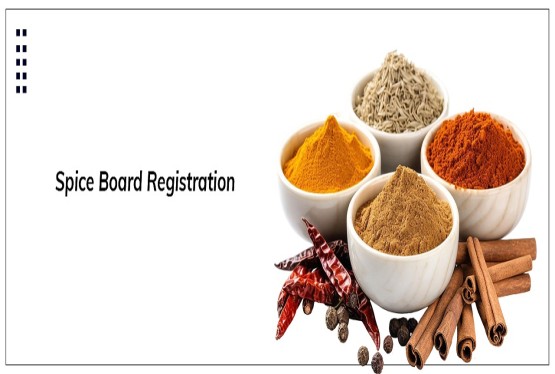
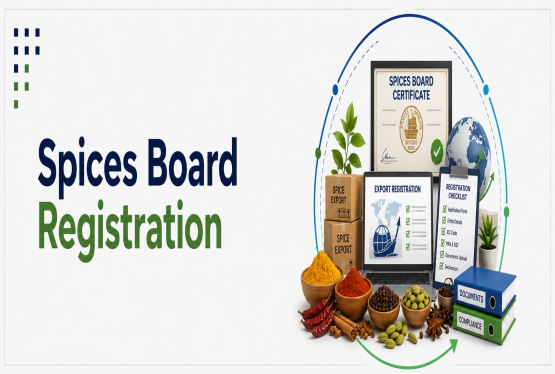
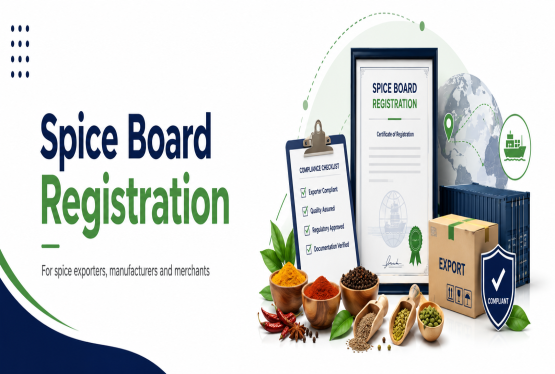
India has always been known as the land of spices. From turmeric and black pepper to cardamom, chilli, cumin, and a variety of spice blends, Indian spices have created a strong identity in international markets. However, building a successful spice business globally requires more than just producing quality products. International buyers look for trust, quality assurance, regulatory compliance, and authenticity before establishing long-term partnerships. This is where Spice Board Registration plays a significant role.
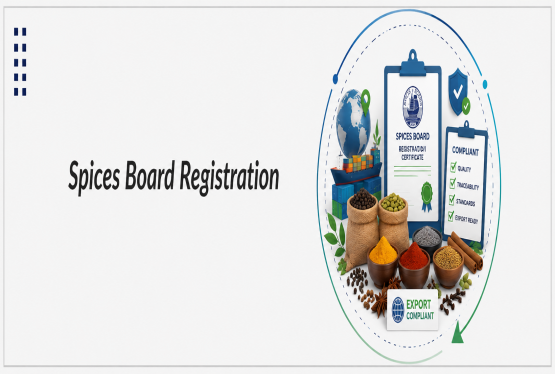
For businesses planning to export spices from India, obtaining a Certificate of Registration as Exporter of Spices (CRES) is an important compliance requirement. It provides official recognition to exporters and connects Indian spice businesses with global opportunities. The Spices Board of India, established under the Spices Board Act, 1986, works under the Ministry of Commerce and Industry and is responsible for promoting Indian spices globally while supporting exporters through quality and export development initiatives. Spice Board Registration is not just a certificate; it acts as a foundation for businesses aiming to transform local spice products into internationally recognised brands.
Understanding Spice Board Registration and Its Importance
Spice Board Registration is a mandatory registration for businesses involved in exporting scheduled spices from India. The registration is commonly known as Certificate of Registration as Exporter of Spices (CRES). It allows exporters to legally export spices and spice products while complying with regulatory requirements prescribed by the Spices Board.
The registration helps businesses establish credibility in international markets because foreign buyers prefer dealing with exporters who are officially recognised by Indian authorities. For a growing spice company, this registration creates a professional identity and strengthens confidence among importers, distributors, and international retailers.
Legal Basis Governing Spice Export Registration in India
The regulatory foundation of spice export activities comes from the:
Spices Board Act, 1986
The Spices Board was constituted under the Spices Board Act, 1986, to promote the development of cardamom and export promotion of scheduled spices.The Board performs several important functions, including:
- Promoting Indian spices in global markets
- Supporting exporters through quality improvement initiatives
- Regulating export-related activities
- Providing market intelligence
- Encouraging research and development in the spice sector
The Act created a structured mechanism to improve the reputation and competitiveness of Indian spices worldwide.
Why Spice Board Registration Matters for Global Branding
A global brand is built on trust, quality, and consistency.
For spice businesses, Spice Board Registration helps create this trust by providing official recognition and compliance assurance.
1. Builds International Credibility
International buyers often verify whether exporters follow recognised regulatory standards. A registered exporter demonstrates that the business operates within India's export compliance system.
This improves confidence among:
- International distributors
- Supermarket chains
- Food manufacturers
- Import houses
2. Creates Better Export Opportunities
Spice Board Registration helps businesses participate in international trade opportunities and connect with global markets. Registered exporters can explore opportunities in countries where Indian spices have high demand. A compliant exporter has better chances of building long-term relationships with overseas buyers.
Who Needs Spice Board Registration?
Businesses dealing with export of scheduled spices generally require Spice Board Registration.
It applies to:
1. Manufacturer Exporters
Businesses that manufacture, process, package, and export spices under their own brand require registration.
Examples:
- Spice powder manufacturers
- Masala manufacturers
- Organic spice producers
- Spice blend companies
2. Merchant Exporters
Merchant exporters who purchase spices from suppliers and export them under their own name also require registration. They play an important role in connecting Indian suppliers with international buyers.
3. Spice Processing Units
Businesses involved in activities such as:
- Cleaning
- Grinding
- Processing
- Packaging
- Value addition
may need registration depending on their export activities.
Legal Requirements Before Applying for Spice Board Registration
Before applying for Spice Board Registration, businesses should ensure that they have completed essential export compliances.
1. Import Export Code (IEC)
An Import Export Code issued by the Directorate General of Foreign Trade (DGFT) is one of the primary requirements. Without a valid IEC, businesses cannot undertake export activities. The IEC establishes the identity of the exporter in international trade transactions.
2. Business Registration
Applicants may operate through different business structures, including:
- Proprietorship
- Partnership Firm
- LLP
- Private Limited Company Registration
- Other recognised entities
The business entity should have proper legal documentation.
3. GST Registration
GST registration is generally required for businesses involved in commercial export activities. It helps maintain tax compliance and supports export documentation.
4. Food Safety Compliance
Since spices are food products, exporters must also comply with applicable food safety requirements. Depending on the nature of operations, businesses may require appropriate FSSAI registration or licence.
Documents Required for Spice Board Registration
The documents generally required include:
Business Documents
- Certificate of Incorporation (for companies)
- Partnership deed (for partnership firms)
- LLP agreement (for LLPs)
- Proprietorship proof
Tax and Export Documents
- PAN Card
- GST Registration Certificate
- Import Export Code (IEC)
Banking Documents
- Cancelled cheque
- Bank certificate/details
Applicant Details
- Identity proof of authorised person
- Address proof
- Photograph
- Contact details
Product Details
- Details of spices proposed to be exported
- Product category information
- Manufacturing or processing details
The exact document requirement may depend on the applicant category.
Step-by-Step Process for Spice Board Registration
Step 1: Obtain Import Export Code (IEC)
The first step for Spice Board Registration is obtaining a valid Import Export Code (IEC) from the Directorate General of Foreign Trade (DGFT). IEC is mandatory for businesses planning to export spices from India and acts as the primary identification number for international trade transactions.
Step 2: Submit Online Application to Spice Board
After obtaining IEC, the exporter needs to submit an online application for Certificate of Registration as Exporter of Spices (CRES) through the Spices Board portal. The applicant must provide business details, exporter information, spice product details, and upload the required supporting documents.
Step 3: Verification of Documents and Application
Once the application is submitted, the Spices Board reviews the provided information and documents. The authorities verify the eligibility of the applicant and may request additional clarification or documents in case of any discrepancy or incomplete information.
Step 4: Payment of Registration Fees
Applicants are required to pay the prescribed registration fee based on their category, such as manufacturer exporter or merchant exporter. The fee payment confirms the submission process and allows the application to proceed for further verification.
Step 5: Issuance of CRES Certificate
After successful verification and approval of the application, the Certificate of Registration as Exporter of Spices (CRES) is issued by the Spices Board. This certificate authorises the exporter to legally export spices from India and helps establish credibility in international markets.
How Spice Board Registration Helps Improve Export Quality
Global markets have strict quality expectations.
Customers worldwide demand:
- Food safety
- Product authenticity
- Traceability
- Consistent quality
Spice Board initiatives support exporters in improving quality standards through testing, certification support, and export guidance.
The Board also provides information regarding international regulatory requirements and export-related advisories.
Role of Quality Testing in Building a Global Spice Brand
Quality is the biggest factor behind successful international spice brands.
Exporters must focus on:
Controlling Contamination Risks
Spices are sensitive products where issues like contamination, pesticide residues, and microbial presence can affect acceptance in foreign markets.
Maintaining International Standards
Exporters must ensure compliance with destination country requirements.
For example, countries may have specific requirements regarding:
- Packaging
- Labelling
- Residue limits
- Food safety documentation
Spice Board Registration and Brand Expansion
A spice business aiming for global growth must focus on branding along with compliance.
Registration helps businesses:
Enter International Markets
Registered exporters can approach international buyers with greater confidence.
Build Consumer Trust
Consumers prefer brands that demonstrate quality assurance and regulatory compliance.
Develop Export Identity
Registration provides recognition that supports professional positioning in global markets.
Export Benefits Available to Registered Spice Businesses
Registered exporters may benefit from various export promotion initiatives introduced by the government and the Spices Board.
These initiatives may include:
- Export development support
- Market promotion activities
- Participation opportunities in trade events
- Industry guidance
The Spices Board continues to run export development and promotion programmes for stakeholders in the spice sector.
Recent Developments in Spice Export Compliance
The spice export sector is becoming increasingly focused on:
Digital Export Systems
The Spices Board has moved towards digital systems for exporter services and has integrated processes with platforms such as ICEGATE to improve ease of doing business.
Increased Quality Monitoring
Global markets are becoming stricter regarding food safety standards.
Indian exporters must focus on:
- Better testing systems
- Traceability
- International compliance
Shift Towards Branded Spice Products
The industry is gradually moving from bulk exports towards:
- Packaged spices
- Premium products
- Organic spices
- Ready-to-use blends
This creates greater opportunities for Indian brands.
Common Challenges Faced by Spice Exporters
Understanding Export Regulations
Many new exporters struggle with understanding international compliance requirements. Proper guidance helps avoid shipment delays and rejection risks.
Maintaining Product Consistency
Global buyers expect consistent taste, quality, and packaging standards. Businesses must develop strong quality control systems.
Managing Documentation
Export documentation errors can create unnecessary delays. Maintaining proper records is essential for smooth international trade.
Future of Indian Spice Brands in Global Markets
The future of Indian spice exports is highly promising.
With increasing demand for authentic flavours, organic products, and ethnic cuisines worldwide, Indian spice businesses have significant growth opportunities.
However, success will depend on:
- Regulatory compliance
- Quality management
- Strong branding
- Sustainable sourcing
- International marketing
Spice Board Registration provides businesses with the compliance foundation needed to confidently enter global markets.
Conclusion
Building a global spice brand requires more than producing excellent products. It requires trust, compliance, quality assurance, and international recognition. Spice Board Registration helps Indian spice businesses establish credibility, meet export requirements, and access global opportunities.
For startups, manufacturers, and exporters, obtaining CRES is an important step towards transforming a local spice business into an internationally recognised brand. As global demand for Indian spices continues to grow, businesses that combine traditional expertise with regulatory compliance will be better positioned to create successful global spice brands.
Frequently Asked Questions (FAQs)
Q1. What is Spice Board Registration?
Ans: Spice Board Registration is a mandatory certification for exporters dealing in scheduled spices. It provides a Certificate of Registration as Exporter of Spices (CRES), allowing businesses to legally export spices from India and establish credibility in global markets.
Q2. Is Spice Board Registration mandatory for spice exporters?
Ans: Yes, exporters of scheduled spices generally need CRES registration from the Spices Board before starting export activities. It ensures compliance with export regulations and helps businesses operate smoothly in international markets.
Q3. Who can apply for Spice Board Registration?
Ans: Manufacturer exporters, merchant exporters, spice processors, and eligible businesses involved in spice exports can apply. The applicant must fulfil the required documentation and regulatory conditions prescribed by the Spices Board.
Q4. What is the validity of Spice Board Registration?
Ans: The validity of Spice Board Registration depends on the terms specified by the Spices Board. Exporters must renew their registration within the prescribed timeline to continue their export operations without compliance issues.
Q5. Is IEC required for Spice Board Registration?
Ans: Yes, a valid Import Export Code (IEC) issued by DGFT is required for Spice Board Registration. IEC establishes the exporter’s identity and allows businesses to undertake international trade activities.
Q6. Can small spice businesses apply for registration?
Ans: Yes, startups, MSMEs, and small spice businesses can apply for Spice Board Registration if they meet eligibility criteria. Registration helps small exporters gain recognition and explore global business opportunities.
Q7. How does Spice Board Registration help exporters?
Ans: It improves exporter credibility, ensures regulatory compliance, and helps businesses connect with international buyers. It also supports market expansion and builds trust in Indian spice products.
Q8. Can a merchant exporter obtain Spice Board Registration?
Ans: Yes, merchant exporters who purchase spices from suppliers and export them under their own name can obtain Spice Board Registration. It enables them to legally participate in spice export activities.
Q9. Why is quality compliance important for spice exports?
Ans: Quality compliance ensures that exported spices meet international food safety standards. It reduces shipment rejection risks and helps businesses maintain long-term relationships with global buyers.
Q10. How can Spice Board Registration help build a global brand?
Ans: Spice Board Registration provides official recognition and enhances buyer confidence. It helps businesses showcase compliance, improve market reputation, and establish a strong presence in international spice markets.


_crop10_thumb.jpg)


_crop10_thumb.jpg)


-Form_crop10_thumb.jpg)

_crop10_thumb.jpg)


_learn_crop10_thumb.jpeg)


_crop10_thumb.jpg)

_crop10_thumb.jpg)


_crop10_thumb.jpg)




_for_Foreign_Directors_learn_crop10_thumb.jpeg)


_Act,_2015_learn_crop10_thumb.jpg)










_learn_crop10_thumb.jpg)





























_crop10_thumb.jpg)

_crop10_thumb.jpg)
_(1)_crop10_thumb.jpg)





_crop10_thumb.png)



_crop10_thumb.jpg)


_crop10_thumb.jpg)





_crop10_thumb.png)







_crop10_thumb.png)