_crop6_thumb.jpg)



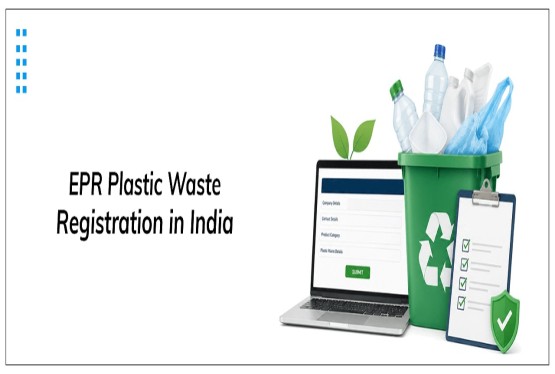
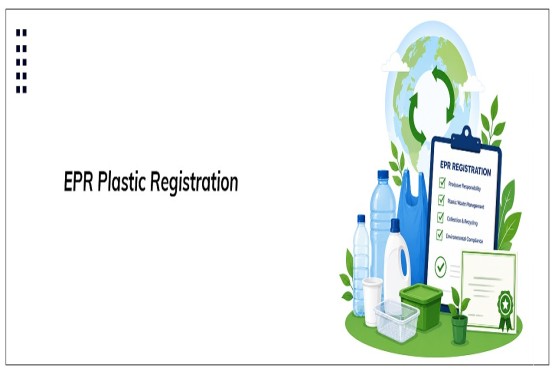
Extended Producer Responsibility (EPR) registration for plastic packaging has become an important environmental compliance requirement for businesses that manufacture, import or sell products using plastic packaging in India. Producers, Importers and Brand Owners, commonly referred to as PIBOs, must determine whether they fall within the registration and EPR framework prescribed under the Plastic Waste Management Rules, 2016.
One of the most common questions businesses ask is: How long does EPR Plastic Registration take? The simple answer is that the EPR Guidelines contemplate registration of a complete application within a relatively short statutory processing period. However, the actual time taken depends heavily on whether the application is complete, whether the correct entity category has been selected, whether plastic packaging data is properly reported and whether CPCB or the concerned State Pollution Control Board raises any deficiency.
The legal framework has also changed considerably since the introduction of the original Plastic Waste Management Rules in 2016. The EPR Guidelines were incorporated into the Rules in February 2022, significant registration provisions were amended in March 2024, further amendments followed in January 2025 and March 2026, and CPCB shifted plastic EPR operations to its new Common EPR Portal from 28 June 2026.
What is EPR Plastic Registration?
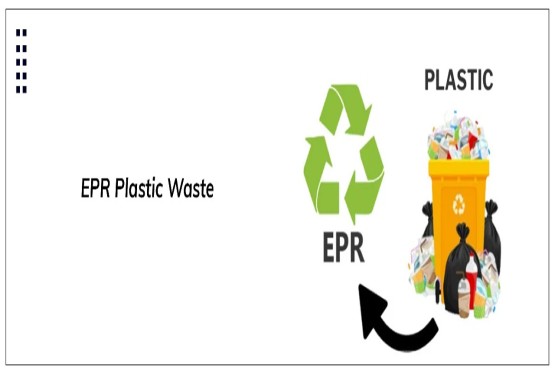
EPR Plastic Registration (Extended Producer Responsibility) means that businesses placing plastic packaging into the market are responsible for ensuring that the resulting plastic packaging waste is managed in accordance with the prescribed EPR framework.
The Plastic Waste Management Rules, 2016 were framed under the Environment (Protection) Act, 1986. The Central Government derives its environmental rule-making and regulatory powers principally from Sections 3, 6 and 25 of the Environment (Protection) Act. India Code records the Environment (Protection) Act as the parent legislation governing the Plastic Waste Management Rules and the subsequent amendments.
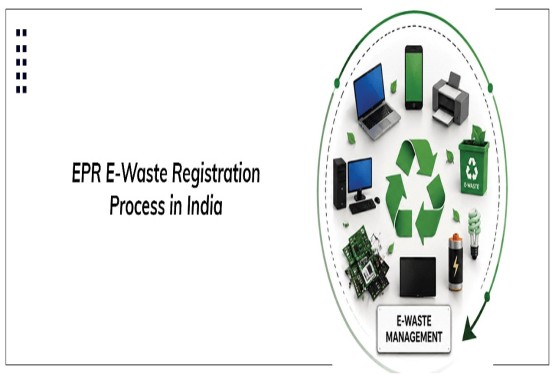
The major shift towards a structured plastic EPR regime came through the Plastic Waste Management (Amendment) Rules, 2022, notified on 16 February 2022. These amendments incorporated the Guidelines on Extended Producer Responsibility for Plastic Packaging into Schedule II of the Plastic Waste Management Rules. CPCB's EPR portal confirms that PIBOs are required to register through the centralized EPR system and comply with their plastic packaging obligations through the portal framework.
Who Needs EPR Plastic Registration?
The EPR principally covers Producers, Importers and Brand Owners dealing with plastic packaging. The portal also contains a separate regulatory framework for Plastic Waste Processors, while subsequent amendments have expanded registration and reporting requirements for other participants in the plastic supply chain.
A Producer generally includes a person engaged in manufacturing plastic packaging. An Importer may become subject to the framework where it imports plastic packaging or products packed in plastic. A Brand Owner is a person or company selling commodities under a registered brand or label using plastic packaging, subject to exemptions and qualifications available under the Rules.
Therefore, a business should first determine its correct legal category before considering the registration timeline. An application filed under the wrong category may lead to a deficiency, clarification request or rejection, thereby extending the overall processing time.
Which Authority Processes the Registration?
The applicable authority depends upon the geographical operations of the PIBO.
The centralized EPR framework provides that PIBOs operating in more than two States or Union Territories are registered with the Central Pollution Control Board. PIBOs operating in one or two States or Union Territories are dealt with by the concerned State Pollution Control Board or Pollution Control Committee through the centralized EPR system. CPCB also explains that Plastic Waste Processors are registered through the concerned SPCB/PCC on the centralized portal.
Although the regulatory authority may differ, businesses now interact with a highly centralized digital EPR architecture.
What is the Legal Processing Time for EPR Registration?
Under the EPR Guidelines incorporated into Schedule II of the Plastic Waste Management Rules, the registration of Producers, Importers and Brand Owners is contemplated within two weeks from submission of a complete online application. The most important words are “complete application.” The statutory processing period should not be understood as meaning that every application will automatically receive an EPR certificate within fourteen days from the date the applicant first creates an account.
If documents are missing, figures do not reconcile, business activities are incorrectly declared, plastic packaging categories are wrongly classified or the authority asks for clarification, the effective processing period can become longer.
The EPR Guidelines, SOPs and registration framework continue to be maintained by CPCB and the Pollution Control Boards. Official pollution-control-board resources specifically list the 2022 EPR Guidelines, the SOP for registration of Producers, Importers and Brand Owners and subsequent amendments as part of the current plastic EPR .
Important 30-Day Rule Introduced in 2024
An important change was introduced by the Plastic Waste Management (Amendment) Rules, 2024, notified through G.S.R. 201(E) dated 14 March 2024. The amendment modified Rule 13 relating to registration under the Plastic Waste Management Rules. The notification is officially listed by MoEFCC and pollution control authorities as part of the operative Plastic Waste Management framework.
Rule 13(8), as substituted through the 2024 amendment, introduced an important deemed-registration concept. Where registration is not granted within 30 days after receipt of an application complete in all respects, the applicant is deemed to be registered on expiry of that period.
Therefore, the legal framework should be understood through two important time references. The EPR Guidelines contemplate processing of a complete PIBO registration application within two weeks, while Rule 13 contains the 30-day deemed-registration protection introduced through the 2024 amendment.
Businesses should nevertheless avoid assuming that mere passage of thirty days cures an incomplete or defective application. The protection is tied to an application that is complete in all respects.
How Long Should a Business Practically Plan For?
For business planning purposes, applicants should ordinarily keep a reasonable compliance buffer rather than assuming that the registration certificate will arrive on an exact day.
Where the application is complete, the documents are correct and no clarification is raised, the process can potentially be completed within the prescribed regulatory timeframe. Where CPCB or SPCB raises a query, the overall duration will depend on how quickly the applicant responds and whether the response satisfactorily resolves the deficiency.
As a practical planning assumption rather than a guaranteed legal timeline, businesses may keep approximately two to four weeks available for a straightforward application and additional time where clarification or correction is required. This estimate follows from the statutory processing framework but should not be treated as an assurance of approval on a particular date.
Stage 1: Determining the Correct EPR Category
Before filing an application, the applicant must identify whether it is acting as a Producer, Importer, Brand Owner or more than one type of obligated entity. This stage can itself affect the registration timeline because many applications involve businesses performing multiple functions. For example, a company may manufacture products domestically while also importing finished goods. The applicant should correctly map each activity before submitting information on the portal. An incorrect entity classification can require modification or clarification later.
Stage 2: Identifying Plastic Packaging Categories
The EPR framework classifies plastic packaging into prescribed categories. The classification affects reporting, EPR obligations and subsequent certificate requirements. Businesses should identify whether the packaging consists of rigid plastic, flexible plastic, multilayered packaging, compostable plastic or another category falling under the current regulatory framework.
The weight of plastic packaging introduced into the market also becomes important for the determination of EPR obligations. If packaging quantities are estimated without a proper basis or the figures uploaded on the portal are inconsistent with purchase, sales, import or GST records, regulatory scrutiny can delay registration and later annual-return compliance.
Stage 3: Preparing the Required Documents
A large portion of the total registration time depends upon document readiness. Applicants generally need to maintain proper corporate identification details, PAN and GST information, details of authorised persons, business addresses, incorporation or registration documents and information relating to plastic packaging operations.
Importers may also need to ensure that their import-related records and plastic packaging information are properly identified. Applicants should ensure that the name of the legal entity remains consistent across PAN, GST, incorporation records and portal details. Even small inconsistencies in legal name, PAN or authorized-person information can create portal or verification issues.
Stage 4: Creating the Portal Account
The plastic EPR system has undergone an important technological transition in 2026.
CPCB officially states that the old Plastic EPR Portal was discontinued with effect from 28 June 2026 and that user data was migrated to the newly developed Common EPR Portal. Existing entities are required to link their accounts using the same authorised-person PAN and company PAN, and those PAN details must match exactly with the information associated with the earlier portal account.
Therefore, businesses filing or managing EPR compliance in 2026 should use the Common EPR Portal and follow the current CPCB instructions rather than relying upon older guides showing the previous Plastic EPR Portal interface. This migration is a particularly important recent update because older online articles and screenshots may no longer accurately reflect the filing process.
Stage 5: Submission and Scrutiny of the Application
Once the required information has been entered and the application is formally submitted, it proceeds to regulatory scrutiny. The authority may verify whether the applicant is correctly classified, whether its business activity falls within the EPR regime and whether the plastic packaging information and supporting documents are consistent.
The regulator may also identify deficiencies and require additional information. This is why the actual registration period should be calculated from the submission of a complete application, rather than merely from account creation or initial data entry.
What Happens When a Deficiency is Raised?
A deficiency or query does not necessarily mean that the EPR registration will be rejected. It generally means that the authority requires clarification, correction or additional supporting documents before deciding the application. However, deficiencies are one of the biggest reasons an application takes longer than the normal regulatory period.
For example, problems can arise from an incorrect legal entity name, mismatch in PAN or GST details, inaccurate packaging quantity, incorrect EPR category, insufficient proof of operations or inconsistent information concerning the States in which the business operates. Applicants should therefore respond to portal queries promptly and carefully. Submitting an incomplete response can lead to further clarification and increase the total processing period.
Validity and Renewal of Registration
Registration under the Plastic Waste Management framework should not be treated as a permanent one-time licence. Rule 13 contains provisions concerning the validity and renewal of registrations. Historically, registration under the Rule has been granted for a prescribed initial validity period and subsequently renewed in accordance with the applicable framework.
The Rules also provide for filing renewal applications sufficiently before expiry. Businesses should therefore monitor the validity shown on their registration certificate and follow the current CPCB or SPCB portal procedure for renewal rather than allowing registration to expire. Renewal should be distinguished from annual EPR compliance. Even while registration remains valid, the entity may still have ongoing obligations concerning plastic packaging data, EPR targets, certificates, annual returns and other portal-based reporting.
EPR Registration Does Not Complete EPR Compliance
Obtaining an EPR registration certificate is only the beginning of compliance. The EPR portal has been developed not merely to register PIBOs but also to provide traceability of EPR obligations, Plastic Waste Processor certificates, transactions and annual-return compliance. CPCB describes the EPR portal as a mechanism intended to improve accountability, traceability and transparency in fulfilment of plastic packaging EPR obligations.
Accordingly, a registered entity must continue to comply with the applicable targets and reporting obligations after registration. A business should therefore avoid treating the registration certificate as a complete discharge of its Plastic Waste Management responsibilities.
2025 Amendment to Plastic Waste Management Rules
The Plastic Waste Management (Amendment) Rules, 2025 were notified on 23 January 2025 and form part of the current statutory framework. India Code officially records the amendment under the Environment (Protection) Act, 1986. The amendment particularly strengthened the framework relating to information displayed by Producers, Importers and Brand Owners on plastic packaging and expressly introduced an enforcement provision under Rule 19.
From 1 July 2025, the amended framework provided additional mechanisms for supplying prescribed information, including through a barcode or QR code, product information brochure or prescribed unique-number route, subject to the applicable conditions. CPCB also issued a specific notice in April 2025 regarding marking or labelling requirements under Rule 11(1), showing the increasing emphasis on traceable packaging compliance.
Latest Plastic Waste Management Amendment in 2026
The most recent major amendment relevant as of August 2026 is the Plastic Waste Management (Amendment) Rules, 2026, notified on 31 March 2026. India Code records the 31 March 2026 amendment as part of the subordinate legislation under the Environment (Protection) Act, and pollution control authorities have also published the amendment in their current Plastic Waste Management repositories.
The 2026 framework continues the transition towards stronger EPR accountability, traceability and circular-use requirements for plastic packaging. Businesses should consequently evaluate their registration, packaging classification, recycled-content obligations, EPR certificates, reporting and annual-return processes against the current Rules rather than relying exclusively on the original 2016 or 2022 position. For registration timing specifically, the major operational development in 2026 is CPCB's shift from the separate Plastic EPR Portal to the Common EPR Portal from 28 June 2026.
What Happens if a Business Operates Without EPR Registration?
Operating without mandatory registration can expose a business to regulatory action. CPCB's plastic EPR portal records that directions and show-cause notices have been issued to unregistered PIBOs and entities operating without the required EPR registration. The portal also contains directions concerning non-fulfilment of EPR targets and non-filing of annual returns.
Therefore, a business should not delay registration merely because the approval process may take some time. Where registration is legally required, the application should be filed before undertaking activities that require such registration under the Plastic Waste Management Rules.
Penalties Under the Environment (Protection) Act
The penalty regime under the Environment (Protection) Act was substantially amended with effect from 1 April 2024. Section 15 now provides that where a person contravenes the Act, rules, orders or directions and no separate penalty is prescribed, the penalty may range from ?10,000 to ?15 lakh, with an additional ?10,000 per day for a continuing contravention.
For companies, Section 15A provides a separate penalty framework. A company contravening the Act can be liable to a penalty ranging from ?1 lakh to ?15 lakh for each contravention, with an additional penalty of ?1 lakh for every day during which the contravention continues.
The Plastic Waste Management (Amendment) Rules, 2025 also inserted Rule 19 connecting contraventions of the Plastic Waste Management Rules with the penalty mechanism under Section 15 of the Environment (Protection) Act. EPR registration should therefore be treated as a substantive environmental compliance requirement and not merely an administrative certificate.
How Can Businesses Reduce EPR Registration Time?
The best way to reduce processing time is to prepare the application correctly before submission. The legal name of the applicant should match PAN, GST and incorporation records. The correct PIBO category should be selected, all operating States should be properly declared and plastic packaging should be classified accurately. Packaging quantities should also be supported by reliable business records rather than unsupported estimates.
Businesses migrating from an older EPR account should also ensure that the authorised-person PAN and company PAN correspond with the migrated information because CPCB specifically requires matching PAN details for account linking on the new Common EPR Portal. Where a clarification is raised, it should be answered promptly with complete supporting documents.
Does Registration Automatically Mean Approval in 14 Days?
No. The two-week period should not be marketed or understood as an unconditional “14-day guaranteed approval.” The relevant timeline operates in the context of a complete application and regulatory scrutiny. If an application contains incorrect data or a deficiency is communicated, additional time may be necessary. Similarly, technical portal problems, migration issues or the need to correct business information may affect the practical completion time. Applicants should therefore distinguish between the prescribed regulatory processing period and the actual end-to-end time required for their individual application.
Conclusion
So, how long does EPR Plastic Registration take? For a Producer, Importer or Brand Owner submitting a complete application, the EPR Guidelines contemplate registration within approximately two weeks. In addition, Rule 13(8), as amended in 2024, introduced an important provision under which an application complete in all respects may attract deemed-registration treatment if registration is not granted within 30 days.
However, neither period should be treated as an automatic approval guarantee for incomplete applications. Incorrect entity classification, inaccurate plastic packaging data, document mismatches, deficiencies and delayed responses can increase the overall processing time.
Businesses should therefore ideally begin EPR compliance well before a commercial launch, import consignment or regulatory deadline. They should determine their correct PIBO status, collect corporate and GST documents, calculate plastic packaging quantities carefully and submit accurate information through CPCB's current Common EPR Portal.
The compliance framework has continued to evolve through the Plastic Waste Management Amendment Rules of 2024, 2025 and, most recently, 31 March 2026. CPCB's migration of plastic EPR operations to the Common EPR Portal from 28 June 2026 is another major operational development that applicants must account for.
Frequent Answer Question (FAQs)
Q1. How long does EPR Plastic Registration take?
Ans: A complete EPR Plastic Registration application is generally contemplated to be processed within approximately two weeks under the EPR Guidelines. However, the actual timeline may increase if CPCB or SPCB/PCC raises a deficiency or requests additional documents.
Q2. Is EPR Plastic Registration approved within 14 days?
Ans: Approval within 14 days should not be considered guaranteed. The two-week timeline applies to applications that are complete and correctly submitted. Missing documents, incorrect information or regulatory queries can extend the processing period.
Q3. What is the 30-day rule for EPR Registration?
Ans: Rule 13(8), as amended in 2024, provides a deemed-registration mechanism where registration is not granted within 30 days of receiving an application complete in all respects. This benefit does not apply to incomplete or defective applications.
Q4. Who needs EPR Plastic Registration?
Ans: Producers, Importers and Brand Owners dealing with plastic packaging may require EPR registration under the Plastic Waste Management Rules. The applicability depends on the entity's business activities and its role in introducing plastic packaging into the market.
Q5. Which authority issues EPR Plastic Registration?
Ans: Depending on the geographical scope of operations, registration may fall under CPCB or the concerned State Pollution Control Board/Pollution Control Committee. The registration and compliance framework is managed through the centralized EPR portal system.
Q6. What can delay EPR Plastic Registration?
Ans: Common delays include incorrect PIBO classification, PAN or GST mismatches, incomplete documents, incorrect packaging categories and inconsistent plastic quantity data. Delayed responses to regulatory deficiencies can further increase the processing time.
Q7. Can a business operate without EPR Registration?
Ans: A business required to obtain EPR registration should not carry on covered activities without complying with the registration requirement. Non-compliance may result in notices, regulatory action, environmental compensation or penalties under applicable environmental laws.
Q8. Is EPR Registration a one-time compliance?
Ans: No. Obtaining EPR registration is only the initial stage of plastic waste compliance. Registered entities may also have continuing obligations relating to EPR targets, certificates, plastic packaging data, annual returns and other prescribed reporting requirements.
Q9. How can businesses get EPR Registration faster?
Ans: Businesses should submit complete and consistent documents, correctly identify their PIBO category and accurately classify plastic packaging. PAN, GST, incorporation details and packaging quantities should be verified before filing to reduce the chances of regulatory queries.
Q10. Which portal is used for EPR Plastic Registration in 2026?
Ans: CPCB shifted plastic EPR operations to the Common EPR Portal from 28 June 2026. Businesses applying or managing EPR compliance should therefore follow the current CPCB portal process and ensure that their PAN and authorised-person details are correctly linked.


_crop10_thumb.jpg)


_crop10_thumb.jpg)


-Form_crop10_thumb.jpg)

_crop10_thumb.jpg)


_learn_crop10_thumb.jpeg)


_crop10_thumb.jpg)

_crop10_thumb.jpg)


_crop10_thumb.jpg)




_for_Foreign_Directors_learn_crop10_thumb.jpeg)


_Act,_2015_learn_crop10_thumb.jpg)









_learn_crop10_thumb.jpg)






















_crop10_thumb.jpg)
_crop10_thumb.jpg)

_(1)_crop10_thumb.jpg)





_crop10_thumb.png)



_crop10_thumb.jpg)





_crop10_thumb.png)
_crop10_thumb.jpg)


_crop10_thumb.png)