


The private security industry in India plays a significant role in protecting businesses, residential societies, commercial establishments, industrial units, banks, and critical infrastructure. With the growing demand for professional security services, ensuring the reliability and credibility of security personnel has become extremely important. A security guard is often entrusted with protecting valuable assets, confidential information, and human lives. Therefore, verifying the background and identity of security personnel is a crucial step in maintaining trust between security agencies and their clients.
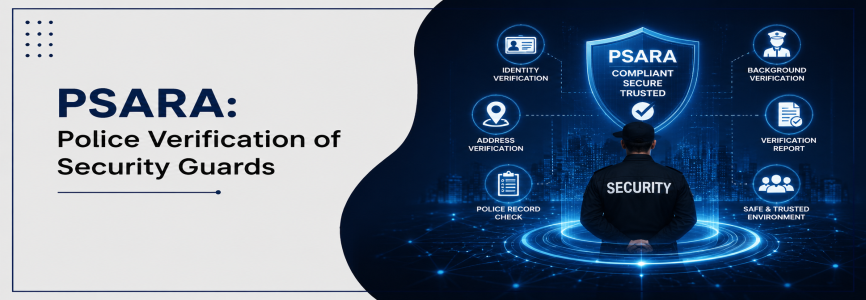
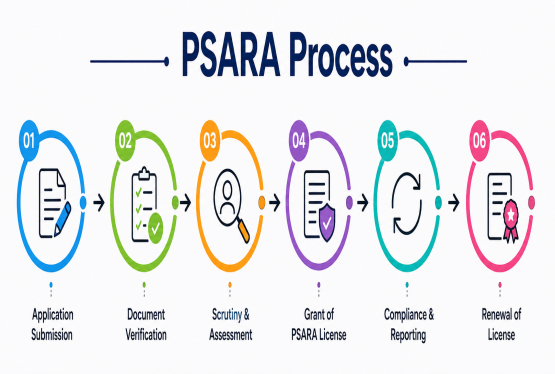
The Private Security Agencies (Regulation) Act, 2005 (PSARA) provides a structured regulatory framework for private security agencies operating in India. One of the important compliance requirements under PSARA is the police verification of security guards. Police verification helps ensure that security personnel deployed by agencies have a verified identity and background. It strengthens the security ecosystem by reducing risks associated with hiring individuals without proper background checks.
Understanding PSARA and Its Objective
The Private Security Agencies (Regulation) Act, 2005, commonly known as PSARA, was introduced to regulate the functioning of private security agencies in India. Before PSARA, the private security sector lacked uniform standards regarding licensing, training, and regulation. The Act aimed to bring professionalism and accountability into the industry.
The key objectives of PSARA include:
-
Regulating private security agencies
-
Ensuring proper training of security guards
-
Maintaining standards of security services
-
Verifying the background of security personnel
-
Protecting clients and the general public
Under PSARA, private security agencies must obtain a licence from the concerned state authority before providing security services.
Why Police Verification of Security Guards Is Important
Security guards are placed in positions of responsibility. They may have access to residential premises, offices, warehouses, factories, financial institutions, and sensitive areas.
Hiring security personnel without proper verification can create several risks, including:
-
Security threats
-
Theft or misuse of access
-
Identity fraud
-
Safety concerns for clients
-
Damage to the reputation of security agencies
Police verification helps agencies confirm important details about security guards, such as:
-
Identity information
-
Residential address
-
Criminal background, if any
-
Previous records available with authorities
This process builds confidence among clients that trained and verified personnel are being deployed.
Role of Police Verification Under PSARA
Police verification is an essential part of maintaining professional standards in the private security industry. Under PSARA requirements, security agencies are expected to ensure that guards deployed by them meet prescribed eligibility and verification standards.
The verification process helps establish that the security guard:
-
Has a genuine identity
-
Has a traceable background
-
Does not have disqualifying criminal records
-
Is suitable for performing security duties
This requirement reflects the importance of trust and accountability in private security operations.
Process of Police Verification of Security Guards
The police verification process generally involves several steps.
1. Collection of Security Guard Details
The security agency collects necessary information from the guard before employment or deployment.
Common details include:
-
Full name
-
Date of birth
-
Residential address
-
Identity proof
-
Photographs
-
Contact details
-
Previous employment details, where applicable
Accurate information is important because incorrect details can delay the verification process.
2. Submission of Verification Request
The security agency or concerned individual submits the verification request to the appropriate police authority. The process may vary depending on the state and local police procedures.
The application generally includes:
-
Personal details of the security guard
-
Address information
-
Identity documents
-
Required declarations
3. Police Background Check
The police authorities verify the information provided.
The verification may include checking:
-
Criminal records
-
Address authenticity
-
Identity details
-
Local police records
The purpose is not only to identify criminal history but also to confirm that the person's details are genuine.
4. Verification Report
After completing the verification process, the police authorities provide a report or confirmation as per applicable procedures. The security agency should maintain proper records of such verification documents.
Documents Required for Police Verification
The exact documents may differ depending on state requirements, but security agencies generally maintain documents such as:
-
Aadhaar card or other identity proof
-
Address proof
-
Passport-size photographs
-
Employment details
-
Declaration forms
-
Police verification application
Maintaining complete documentation helps agencies demonstrate compliance during inspections or audits.
Importance of Police Verification for Security Agencies
For security agencies, police verification is not merely a regulatory obligation. It is an important part of building a professional security workforce.
1. Enhances Client Confidence
Clients prefer security agencies that follow proper verification procedures.
A verified workforce creates confidence among:
-
Corporate clients
-
Residential societies
-
Industrial establishments
-
Government organisations
2. Reduces Security Risks
Background verification helps reduce the possibility of deploying individuals with unknown or unsuitable backgrounds.
3. Improves Agency Reputation
A security agency that follows proper compliance practices develops a stronger reputation in the market. Professionalism and reliability become key factors in attracting long-term clients.
Responsibilities of Security Agencies Under PSARA
Private security agencies must ensure that their operations comply with PSARA requirements.
Important responsibilities include:
Proper Recruitment Process
Agencies should follow a structured recruitment process before appointing guards.
Verification of Personnel
Security guards should undergo required background verification procedures.
Training and Skill Development
Security guards should receive appropriate training to perform their duties effectively.
Maintaining Records
Agencies should maintain proper records relating to:
-
Employee details
-
Verification documents
-
Training records
-
Deployment information
Role of Training Along With Police Verification
Police verification alone does not make a security guard professionally capable.
A reliable security workforce requires a combination of:
-
Verified background
-
Proper training
-
Physical fitness
-
Communication skills
-
Emergency response knowledge
PSARA places importance on training standards because security guards must be prepared to handle different situations.
Training may include:
-
Security procedures
-
Fire safety
-
Crowd management
-
First aid
-
Access control
-
Emergency response
A verified and trained security guard provides better protection to clients.
Challenges in Police Verification Process
Although police verification is important, security agencies may face certain challenges.
1. Delay in Verification
Police verification timelines may vary depending on workload, location, and local procedures.
Delays can affect deployment schedules.
2. Incorrect Information
Incorrect address details or incomplete documents can result in delays or rejection.
3. Managing Large Workforce Data
Large security agencies may employ hundreds or thousands of guards, making record management challenging. Digital record management systems can help agencies maintain proper documentation.
Technology and Digital Verification
Technology is transforming the way security agencies manage compliance.
Modern agencies are adopting digital tools for:
-
Employee databases
-
Document management
-
Verification tracking
-
Attendance monitoring
-
Deployment management
Digital systems help agencies maintain updated records and improve operational efficiency. Technology also enables faster communication between agencies, employees, and clients.
Impact of Police Verification on Security Industry Growth
The private security industry is becoming more organised with increasing focus on compliance and professionalism.
Police verification contributes to this transformation by creating a more reliable workforce.
Clients today expect security agencies to provide:
-
Qualified personnel
-
Verified guards
-
Professional services
-
Transparent processes
Agencies that focus on compliance are better positioned for sustainable growth.
Common Mistakes Security Agencies Should Avoid
Ignoring Verification Requirements
Skipping verification can create serious compliance and reputation risks.
Deploying Guards Without Proper Records
Agencies should avoid deploying personnel without maintaining complete documentation.
Not Updating Employee Records
Whenever employee details change, records should be updated properly.
Treating Compliance as Only a Formality
PSARA compliance should be integrated into daily operations rather than treated as paperwork.
Best Practices for PSARA Compliance
Security agencies can follow these practices:
Maintain Complete Employee Files
Keep all documents, verification reports, and training records properly organised.
Conduct Regular Reviews
Review employee information periodically to ensure records remain updated.
Use Digital Management Systems
Technology can help manage large security teams efficiently.
Provide Continuous Training
Regular training improves security standards and service quality.
Maintain Transparency With Clients
Sharing compliance practices with clients builds trust.
Future of Police Verification in Private Security
As security requirements continue to increase, police verification will remain an important part of professional security operations.
Future developments may include:
-
Faster digital verification systems
-
Integrated government databases
-
Automated compliance tracking
-
Better workforce management solutions
The combination of technology, regulation, and professional training will continue to strengthen India's private security industry.
Conclusion
Police verification of security guards is a crucial component of PSARA compliance. It helps ensure that security agencies deploy reliable, trustworthy, and responsible personnel. For security agencies, proper verification is not only about meeting legal requirements but also about building credibility and delivering quality services.
A strong security system depends on the people protecting it. By maintaining proper verification processes, training standards, and compliance practices, security agencies can create a safer environment for businesses, communities, and individuals. In an industry built on trust, verified security personnel are the foundation of professional security services.
FAQs
Q1. Is police verification mandatory for security guards under PSARA?
Ans. Yes, police verification is an important requirement for ensuring that security guards deployed by private security agencies have verified backgrounds and identities.
Q2. Who is responsible for police verification of security guards?
Ans. Private security agencies are responsible for ensuring that their security personnel meet verification and compliance requirements under applicable PSARA rules.
Q3. What documents are required for security guard verification?
Ans. Generally, documents such as identity proof, address proof, photographs, and personal details are required for police verification.
Q4. Can a security guard be deployed before verification?
Ans. Security agencies should follow applicable PSARA requirements and complete necessary verification procedures before deployment.
Q5. Why is police verification important for security agencies?
Ans. It helps reduce security risks, improves client confidence, and ensures that agencies maintain a professional workforce.
Q6. Does police verification guarantee that a person will never commit an offence?
Ans. No. Police verification checks available records and background information at the time of verification. It is one part of a broader security management process.
Q7. Do all states follow the same police verification process?
Ans. The basic objective remains similar, but procedures and documentation requirements may vary between states.
Q8. Should security agencies maintain police verification records?
Ans. Yes, maintaining proper verification records is important for compliance, audits, and internal management.
Q9. How does technology help in security guard verification?
Ans. Digital systems help agencies track verification status, maintain records, and manage employee information efficiently.
Q10. Is police verification enough for hiring security guards?
Ans. No. Along with verification, agencies should focus on training, skills, fitness, and professional conduct to provide effective security services


_crop10_thumb.jpg)


_crop10_thumb.jpg)


-Form_crop10_thumb.jpg)

_crop10_thumb.jpg)


_learn_crop10_thumb.jpeg)


_crop10_thumb.jpg)

_crop10_thumb.jpg)


_crop10_thumb.jpg)




_for_Foreign_Directors_learn_crop10_thumb.jpeg)


_Act,_2015_learn_crop10_thumb.jpg)










_learn_crop10_thumb.jpg)


































_crop10_thumb.jpg)

_crop10_thumb.jpg)
_(1)_crop10_thumb.jpg)










_crop10_thumb.png)















_crop10_thumb.jpg)


_crop10_thumb.jpg)







_crop10_thumb.png)

_crop10_thumb.jpg)








_crop10_thumb.png)