



India has a strong position in the global coconut market due to its wide production base and increasing demand for coconut-based products such as coconut oil, virgin coconut oil, desiccated coconut, coconut water, coconut milk, copra, and other value-added products. To promote exports and provide institutional support to businesses dealing in coconut products, the Coconut Development Board (CDB) plays an important role. The Board functions as a statutory organisation established by the Government of India for the integrated development of the coconut industry, including production, processing, marketing, and export promotion activities.
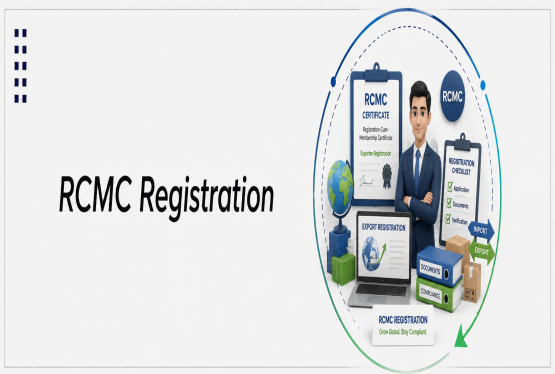
Exporters dealing with coconut and coconut-based products generally require a Registration-Cum-Membership Certificate (RCMC) issued by the Coconut Development Board to avail export promotion benefits and comply with requirements under India’s foreign trade system. RCMC acts as proof that the exporter is registered with the appropriate Export Promotion Council or Commodity Board recognised by the Directorate General of Foreign Trade (DGFT).
What is Coconut Development Board Export Registration?
Coconut Development Board Export Registration refers to obtaining an RCMC from the Coconut Development Board for businesses involved in exporting coconut and coconut-based products. The certificate allows exporters to become recognised members of the concerned export promotion authority and helps them access benefits available under India’s export policies.
The RCMC issued by the Coconut Development Board is mainly applicable to exporters dealing with coconut products other than products made exclusively from coconut husk and fibre, which are generally covered under other authorities. An exporter registered with the Coconut Development Board receives recognition for carrying out international trade activities related to coconut products and can participate in export promotion programmes, trade fairs, buyer-seller meets, and other initiatives supported by the Board.
Role of Coconut Development Board in Export Promotion
The Coconut Development Board works towards the overall development of the coconut industry in India. Its activities include improving productivity, encouraging value addition, supporting farmers and processors, and promoting coconut products in domestic and international markets.
For exporters, the Board acts as a recognised authority for issuing RCMC and supporting businesses involved in coconut exports. The registration mechanism helps maintain exporter records and ensures that exporters engaged in international trade comply with the requirements prescribed by the concerned authorities. The Board also supports exporters through market development activities, export promotion programmes, technical assistance, and awareness initiatives aimed at increasing the global presence of Indian coconut products.
Who Can Apply for Coconut Development Board RCMC?
The following categories of businesses involved in coconut-related trade can generally apply for Coconut Development Board RCMC:
1. Manufacturer Exporters
Businesses that manufacture coconut products and export them directly to foreign buyers can apply for registration.
Examples include:
- Coconut oil manufacturers
- Virgin coconut oil producers
- Desiccated coconut manufacturers
- Coconut milk processing units
- Coconut-based food product manufacturers
2. Merchant Exporters
Businesses purchasing coconut products from manufacturers or suppliers and exporting them outside India can also apply.
3. Producer Organisations and Companies
Farmer producer organisations, companies, partnerships, LLPs, and other eligible entities involved in coconut product exports may obtain registration.
4. Other Export Businesses
Any exporter whose main business activity relates to coconut products covered under the Coconut Development Board’s jurisdiction may apply. The applicant must have a valid Import Export Code (IEC) issued by DGFT before applying for RCMC.
Legal Requirements for Coconut Export Registration
The Coconut Development Board operates under the Coconut Development Act, 1979, enacted by the Government of India for the development of the coconut industry. Export registration requirements are also connected with the provisions of:
Foreign Trade Policy (FTP)
India’s Foreign Trade Policy provides the framework for regulating exports and imports. Exporters seeking benefits under export promotion schemes are generally required to obtain registration with the relevant Export Promotion Council or Commodity Board.
DGFT Regulations
The Directorate General of Foreign Trade regulates export-related registrations, IEC requirements, and recognition of Export Promotion Councils and Commodity Boards.
Coconut Development Board Rules and Guidelines
The Board follows its internal procedures for granting RCMC, maintaining exporter records, and monitoring compliance by registered members.
Products Covered Under Coconut Development Board Registration
Coconut Development Board registration is relevant for exporters dealing with various coconut products, including:
- Fresh coconuts
- Dried coconut
- Copra
- Coconut oil
- Virgin coconut oil
- Desiccated coconut
- Coconut milk
- Coconut cream
- Coconut water products
- Coconut-based food products
- Other processed coconut products
The exporter should correctly mention the product category while submitting the application to avoid delays during verification.
Documents Required for Coconut Development Board RCMC Registration
An applicant needs to submit various documents depending on the constitution and nature of the business.
The commonly required documents include:
1. Import Export Code (IEC)
A self-certified copy of IEC issued by DGFT is required as proof that the applicant is authorised to undertake export activities.
2. PAN Card
PAN details of the applicant entity or proprietor are required.
3. Business Constitution Documents
The documents vary according to business structure:
Proprietorship Firm
- Proprietor PAN
- Address proof
- IEC details
Partnership Firm
- Partnership deed
- PAN of firm
- Partner details
LLP
- LLP Agreement
- Certificate of Incorporation
- PAN
- Partner details
Private Limited Company
- Certificate of Incorporation
- Memorandum of Association
- Articles of Association
- Board details
- PAN
4. GST Registration Certificate
GST registration details may be required for exporters registered under GST laws.
5. Bank Certificate or Cancelled Cheque
Bank details are submitted for verification purposes.
6. Export Product Details
The applicant must provide details of coconut products intended for export.
7. Photographs and Other Supporting Documents
Additional documents may be requested depending on the applicant category.
Step-by-Step Process for Coconut Development Board Export Registration
Step 1: Obtain Import Export Code (IEC)
Before applying for Coconut Development Board RCMC, the exporter must obtain IEC registration from DGFT. IEC is mandatory for businesses involved in international trade activities. Without IEC, an exporter cannot legally undertake export transactions.
Step 2: Prepare Required Documents
The exporter must collect all necessary documents, including business registration documents, IEC, PAN, GST details, bank details, and product information. Proper documentation helps avoid unnecessary delays during processing.
Step 3: Submit Online Application
The exporter needs to submit an online application for RCMC Registration through the prescribed system.
The applicant must provide:
- Business details
- Exporter category
- Product details
- IEC information
- Contact details
- Other required declarations
Step 4: Payment of Applicable Fees
The applicant must pay the prescribed registration fee as applicable. The fee structure may vary based on government notifications and applicable guidelines. Applicants should verify the latest fee requirements before submission.
Step 5: Verification by Coconut Development Board
After submission, the application is reviewed by officials of the Coconut Development Board.
The authority may verify:
- Applicant details
- Export eligibility
- Product category
- Submitted documents
If any clarification is required, the applicant may be asked to provide additional information.
Step 6: Issuance of RCMC Certificate
After successful verification, the Coconut Development Board issues the Registration-Cum-Membership Certificate. The certificate confirms the exporter’s registration with the Board and allows the exporter to operate as a recognised member.
Validity Period of Coconut Development Board RCMC
RCMC issued by recognised Export Promotion Councils and Commodity Boards generally remains valid for a specified period as prescribed under export regulations. Many RCMC registrations are issued for a five-year period aligned with export policy provisions.
Exporters should check the validity period mentioned in their certificate and ensure timely renewal to avoid interruption in compliance status.
Benefits of Coconut Development Board RCMC Registration
1. Recognition as Registered Exporter
RCMC provides official recognition to exporters dealing with coconut products.
2. Access to Export Promotion Benefits
Registered exporters may become eligible for benefits available under government export promotion policies.
3. Participation in Trade Events
Exporters can participate in:
- International exhibitions
- Buyer-seller meetings
- Export promotion programmes
4. Market Development Support
The registration helps exporters connect with industry development initiatives and market opportunities.
5. Business Credibility
Having registration with a recognised commodity board improves trust among international buyers and business partners.
Compliance Requirements After Obtaining RCMC
Obtaining registration is not the end of compliance obligations. Exporters must continue maintaining proper records and follow applicable regulations.
Important compliance requirements include:
Maintain Updated Business Information
Any changes in:
- Address
- Ownership
- Constitution of business
- Contact details
should be updated with the concerned authority.
Maintain Export Records
Exporters should preserve:
- Shipping documents
- Invoices
- Customs documents
- Product records
for future reference.
Follow Export Regulations
Exporters must comply with:
- Customs regulations
- Foreign Trade Policy requirements
- GST export procedures
- Product-specific requirements
Renewal of Registration
The exporter should renew the RCMC before expiry to continue enjoying registration benefits.
Recent Developments and Export Opportunities
The Indian coconut industry has witnessed increased demand globally due to rising consumer interest in natural, plant-based, and health-oriented products. Products such as virgin coconut oil, coconut water, coconut milk, and organic coconut products have gained popularity in international markets.
The Coconut Development Board continues to focus on product diversification, value addition, and export promotion activities to improve India’s position in the global coconut market. Exporters are increasingly moving beyond traditional coconut exports and exploring processed products with higher market value.
Common Reasons for Delay in Coconut RCMC Approval
Applicants may face delays due to:
- Incorrect product classification
- Mismatch in IEC and business details
- Missing documents
- Incorrect applicant information
- Unclear business activity description
To avoid delays, exporters should carefully review all information before submitting the application.
Difference Between IEC and Coconut Development Board RCMC
Many exporters confuse IEC and RCMC, but both serve different purposes.
IEC:
Issued by DGFT and allows a business to undertake import-export activities.
RCMC:
Issued by the relevant Export Promotion Council or Commodity Board and provides recognition for exporters dealing in specific products. An exporter dealing in coconut products generally requires both IEC and Coconut Development Board RCMC for proper export compliance.
Conclusion
Coconut Development Board Export Registration is an important compliance requirement for businesses involved in exporting coconut and coconut-based products from India. The RCMC certificate provides official recognition, supports export promotion activities, and helps exporters access various opportunities in international markets.
Businesses planning to enter coconut exports should ensure that they have a valid IEC, complete documentation, correct product classification, and proper registration with the Coconut Development Board. With increasing global demand for natural and value-added coconut products, obtaining Coconut Development Board RCMC can help exporters build credibility, expand international business opportunities, and participate effectively in India’s growing coconut export sector.
Frequently Asked Questions (FAQs)
Q1. What is Coconut Development Board Export Registration?
Ans: Coconut Development Board Export Registration refers to obtaining a Registration-Cum-Membership Certificate (RCMC) from the Coconut Development Board for exporters dealing in coconut and coconut-based products. It provides recognition to exporters under the export promotion system and helps them participate in various export-related activities.
Q2. Is RCMC mandatory for coconut product exporters?
Ans: RCMC is required for exporters who wish to obtain recognition from the concerned Export Promotion Council or Commodity Board and avail benefits under India’s export promotion policies. Exporters dealing with coconut products can obtain RCMC from the Coconut Development Board.
Q3. Who can apply for Coconut Development Board RCMC?
Ans: Manufacturer exporters, merchant exporters, companies, LLPs, partnership firms, and other eligible businesses involved in exporting coconut products can apply. The applicant must have a valid Import Export Code (IEC) issued by DGFT before applying for RCMC.
Q4. What products are covered under Coconut Development Board RCMC?
Ans: The registration covers various coconut products such as coconut oil, virgin coconut oil, desiccated coconut, coconut milk, coconut water products, copra, dried coconut, and other value-added coconut products eligible under the Board’s jurisdiction.
Q5. What documents are required for Coconut Development Board Registration?
Ans: Applicants generally need IEC, PAN, GST registration details, business incorporation documents, bank details, address proof, and product-related information. Additional documents may be required depending on the constitution of the business.
Q6. How can I apply for Coconut Development Board RCMC?
Ans: An exporter can apply by submitting the required application form along with supporting documents and applicable fees to the Coconut Development Board. After verification of details, the RCMC certificate is issued to the eligible exporter.
Q7. What is the validity period of Coconut Development Board RCMC?
Ans: RCMC validity is generally issued for a fixed period as per applicable export regulations. Exporters should check the validity mentioned on their certificate and complete renewal formalities before expiry to continue compliance.
Q8. What are the benefits of Coconut Development Board RCMC?
Ans: RCMC provides exporter recognition, improves business credibility, supports participation in trade fairs and buyer-seller meets, and helps exporters access opportunities provided through export promotion initiatives.
Q9. Can a merchant exporter apply for Coconut Development Board RCMC?
Ans: Yes, merchant exporters dealing in eligible coconut products can apply for RCMC. They must provide valid business details, IEC, and supporting documents showing their export activities.
Q10. What is the difference between IEC and Coconut Development Board RCMC?
Ans: IEC is issued by DGFT and allows businesses to conduct import-export activities, whereas RCMC is issued by the relevant Export Promotion Council or Commodity Board to recognise exporters dealing with specific products.


_crop10_thumb.jpg)


_crop10_thumb.jpg)


-Form_crop10_thumb.jpg)

_crop10_thumb.jpg)


_learn_crop10_thumb.jpeg)


_crop10_thumb.jpg)

_crop10_thumb.jpg)


_crop10_thumb.jpg)





_for_Foreign_Directors_learn_crop10_thumb.jpeg)


_Act,_2015_learn_crop10_thumb.jpg)










_learn_crop10_thumb.jpg)















































_crop10_thumb.jpg)


_crop10_thumb.jpg)


_(1)_crop10_thumb.jpg)











_crop10_thumb.png)








_crop10_thumb.jpg)


_crop10_thumb.jpg)





_crop10_thumb.png)
_crop10_thumb.jpg)








_crop10_thumb.png)