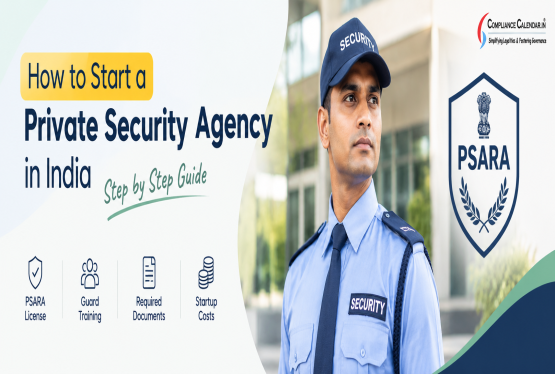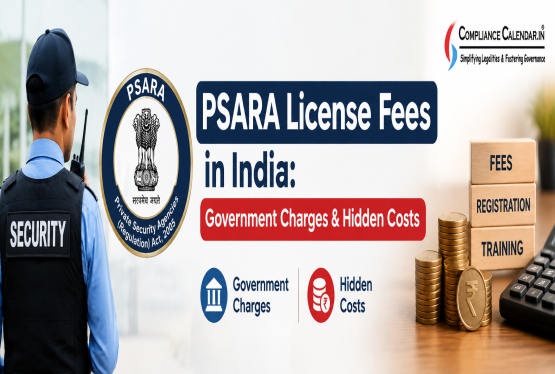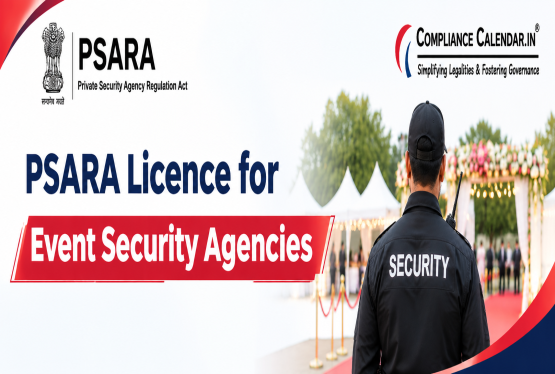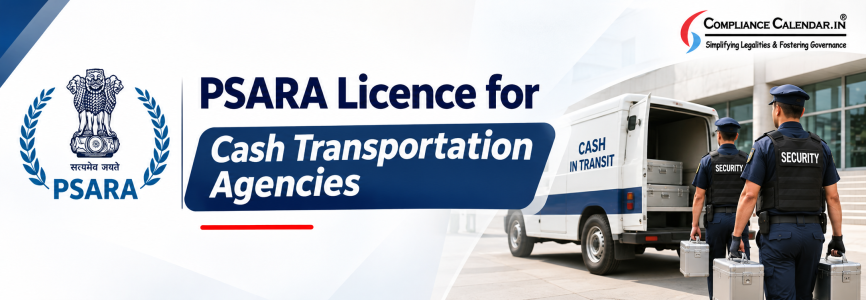



Cash transportation agencies help banks, ATM operators and other businesses move money safely from one place to another. For example, they collect cash from bank branches, carry money to ATMs and deliver cash to different business locations. Since these activities involve large amounts of money, proper security arrangements are very important.
In India, agencies providing private security for cash transportation must follow the Private Security Agencies (Regulation) Act, 2005, commonly known as PSARA. They must also follow the Private Security Agencies (Private Security to Cash Transportation Activities) Rules, 2018. These rules explain how cash vans should operate, how employees must be checked and trained, and what security arrangements agencies must maintain.
If you are planning to start a cash transportation business or already provide these services, understanding the PSARA License requirements is important. This blog explains the main requirements, documents, security conditions and application process in simple language.
You can visit : PSARA License Complete Guide for more detailed information
What Is a PSARA License for Cash Transportation Agencies?
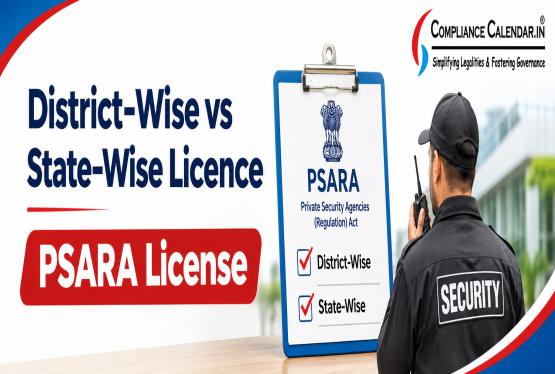
A PSARA License is government permission required to run a private security agency in India. It is issued by the Controlling Authority appointed by the respective State or Union Territory Government.
For cash transportation agencies, this licence is important because their work involves protecting money while it is being moved between banks, ATMs, cash centres and business locations. The agency must provide trained security staff and follow the security conditions prescribed under the law.
For example, if a company provides armed guards and secured vehicles to transport cash from a bank branch to different ATMs, it must hold the required PSARA License and follow the additional cash transportation rules.
Why Do Cash Transportation Agencies Need a PSARA License?
Transporting cash is not the same as transporting ordinary goods. A cash van may carry a large amount of money, which can become a target for theft or robbery. There are also risks such as vehicle accidents, employee misconduct and security emergencies during transportation.
The PSARA Act, 2005, requires a private security agency to obtain a licence before carrying on its business. The 2018 Cash Transportation Rules add further security conditions for agencies providing protection during cash transportation.
These requirements help ensure that agencies use suitable vehicles, appoint verified employees, provide proper training and maintain systems to monitor cash vans. Following these rules also helps agencies build trust with banks and other customers.
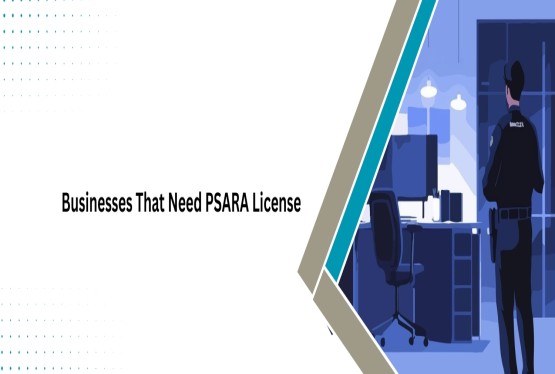
Which Agencies Need a PSARA License for Cash Transportation?
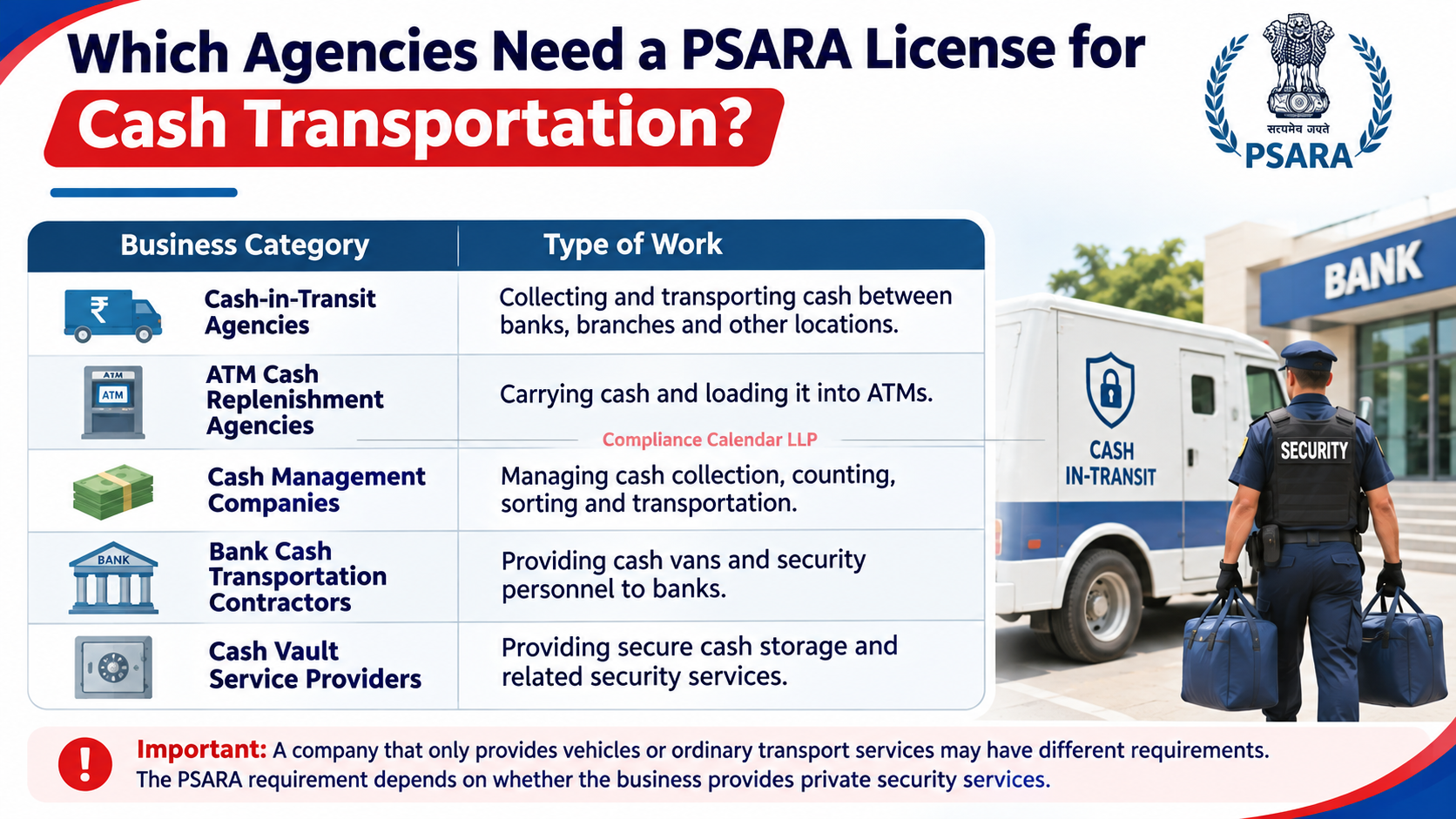
The licence requirement mainly applies to businesses providing private security for cash transportation activities. These services may include collecting, carrying, protecting and delivering cash for banks, ATM operators and other organisations.
The following businesses should check their licensing requirements:
|
Business Category |
Type of Work |
|
Cash-in-Transit Agencies |
Collecting and transporting cash between banks, branches and other locations. |
|
ATM Cash Replenishment Agencies |
Carrying cash and loading it into ATMs. |
|
Cash Management Companies |
Managing cash collection, counting, sorting and transportation. |
|
Bank Cash Transportation Contractors |
Providing cash vans and security personnel to banks. |
|
Cash Vault Service Providers |
Providing secure cash storage and related security services. |
Important: A company that only provides vehicles or ordinary transport services may have different requirements. The PSARA requirement depends on whether the business provides private security services. Businesses should check the exact nature of their activities before applying.
Security Requirements for Cash Transportation Agencies
Cash transportation agencies must follow additional safety conditions under the 2018 Cash Transportation Rules. These conditions cover cash vans, employees, training, vehicle tracking and cash storage.
1. Cash Van Requirements
Cash transportation agencies cannot use ordinary vehicles for carrying large amounts of cash. They must use specially designed cash vans that provide protection to the money and the employees travelling inside them.
The vehicle must have suitable safety equipment and must meet the conditions given under the 2018 Rules. Some important requirements are listed below.
|
Vehicle Requirement |
What It Means |
|
Vehicle Type |
The cash van should be a Light Commercial Vehicle (LCV). |
|
Engine Capacity |
Minimum 2,200 CC. |
|
Vehicle Age |
The vehicle should not be more than seven years old. |
|
Ground Clearance |
Minimum 190 mm. |
|
Tyres |
Tubeless tyres are required. |
|
Cash Compartment |
A separate and secure area must be provided for keeping cash. |
|
CCTV Cameras |
Cameras must be installed for security monitoring. |
|
GPS Tracking |
The vehicle must have a GPS tracking system. |
|
Emergency Equipment |
Required alarms, fire extinguishers and emergency lights must be available. |
The rules also restrict the use of taxis and hired vehicles, subject to specific exceptions. Therefore, agencies should check the applicable conditions before using any vehicle for cash transportation.
2. Minimum Staff Required in a Cash Van
A cash van must have enough trained employees to protect the money and manage the transportation work. Under the 2018 Rules, the prescribed minimum team includes one driver, two armed security guards and two ATM officers or cash custodians.
|
Staff Member |
Minimum Number |
Main Work |
|
Driver |
1 |
Driving the cash van safely. |
|
Armed Security Guards |
2 |
Protecting the cash and employees during transportation. |
|
ATM Officers or Cash Custodians |
2 |
Handling and managing the cash. |
The agency must make sure that the employees understand their duties and receive the required training. Additional staff may be needed depending on the work, security risks and customer requirements.
3. Employee Verification and Background Checks
Employees handling cash and working in cash vans must be properly checked before they are appointed or deployed. This is important because they may have access to large amounts of money and sensitive business information.
The agency must complete the background checks required under the rules. These include police verification, address checks, previous employment checks wherever applicable, Aadhaar-based verification and credit history checks. The rules also require fidelity insurance for employees involved in cash transportation activities.
Agencies should maintain proper employee records and ensure that no person is given responsibility without completing the required verification.
4. Training of Security Guards and Other Employees
Cash transportation employees must know how to handle money safely and respond to security problems. A person who has never worked in cash transportation should not be given these responsibilities without the required training.
Training should cover cash handling, security duties, use of weapons and equipment, emergency response, vehicle safety and communication during transportation. Employees should also understand what to do during an attempted robbery, accident or medical emergency.
The 2018 Rules also provide for refresher training once every two years. Agencies should maintain proper records of employee training.
5. GPS Tracking and Vehicle Monitoring
GPS tracking is important because it helps an agency know where its cash vans are during transportation. It also helps the monitoring team respond if a vehicle stops unexpectedly, moves away from its planned route or faces an emergency.
Cash transportation agencies must install GPS tracking systems in their vehicles and maintain the required monitoring and communication arrangements. CCTV cameras and other security equipment also help the agency check vehicle activities and improve employee safety.
6. Cash Carrying Limits
Cash transportation agencies must follow the cash limits given under the 2018 Rules. These limits help reduce the risk of carrying very large amounts of money in one vehicle.
|
Cash Amount |
Requirement |
|
Up to Rs 10 lakh |
The special secured cash van requirement under Rule 9(2) is not triggered by this amount alone. |
|
More than Rs 10 lakh |
A secured cash van must be used. |
|
More than Rs 5 crore |
A single cash van cannot carry this amount in one trip. |
Agencies should also consider the security arrangements, insurance conditions and customer requirements before planning cash transportation.
7. Safe Cash Storage and Vault Facilities
Some cash transportation agencies also collect and store money before delivering it to banks or other customers. In such cases, the agency must maintain a secure cash storage facility and follow the applicable safety conditions.
The storage area should have proper security arrangements, CCTV cameras, access controls, fire safety equipment and suitable cash vaults. Unauthorised people should not be allowed to enter the cash storage area.
The agency should also maintain CCTV recordings for the period required under the rules. These arrangements help protect cash from theft, fire and unauthorised access.
Documents Required for PSARA License for Cash Transportation Agencies
Before applying for a PSARA License, an agency should prepare its business and applicant-related documents. The exact list may vary depending on the state and the requirements of the concerned Controlling Authority.
Some commonly required documents include:
|
Document |
Why It Is Required |
|
PAN Card |
To verify the business or applicant's tax identity. |
|
Certificate of Incorporation |
To establish the legal identity of a registered company. |
|
Business Address Proof |
To confirm the registered office address. |
|
Identity and Address Proof of Directors or Partners |
To verify the people managing the business. |
|
Photographs |
Recent photographs of the applicant and relevant persons. |
|
Business Registration Documents |
To establish the legal status of the business. |
|
Income Tax Documents |
To provide tax-related information wherever required. |
|
Employee Details |
To provide information about security guards and other staff. |
|
Training Certificates |
To show that employees have received the required training. |
|
Police Verification Documents |
To establish the background of relevant persons. |
Apart from these documents, agencies should also keep information about their cash vans, GPS systems, security equipment and cash storage facilities ready. Additional documents may be requested by the state authority.
For more information kindly visit our article : PSARA License Requirements and Checklist
How to Apply for a PSARA License?
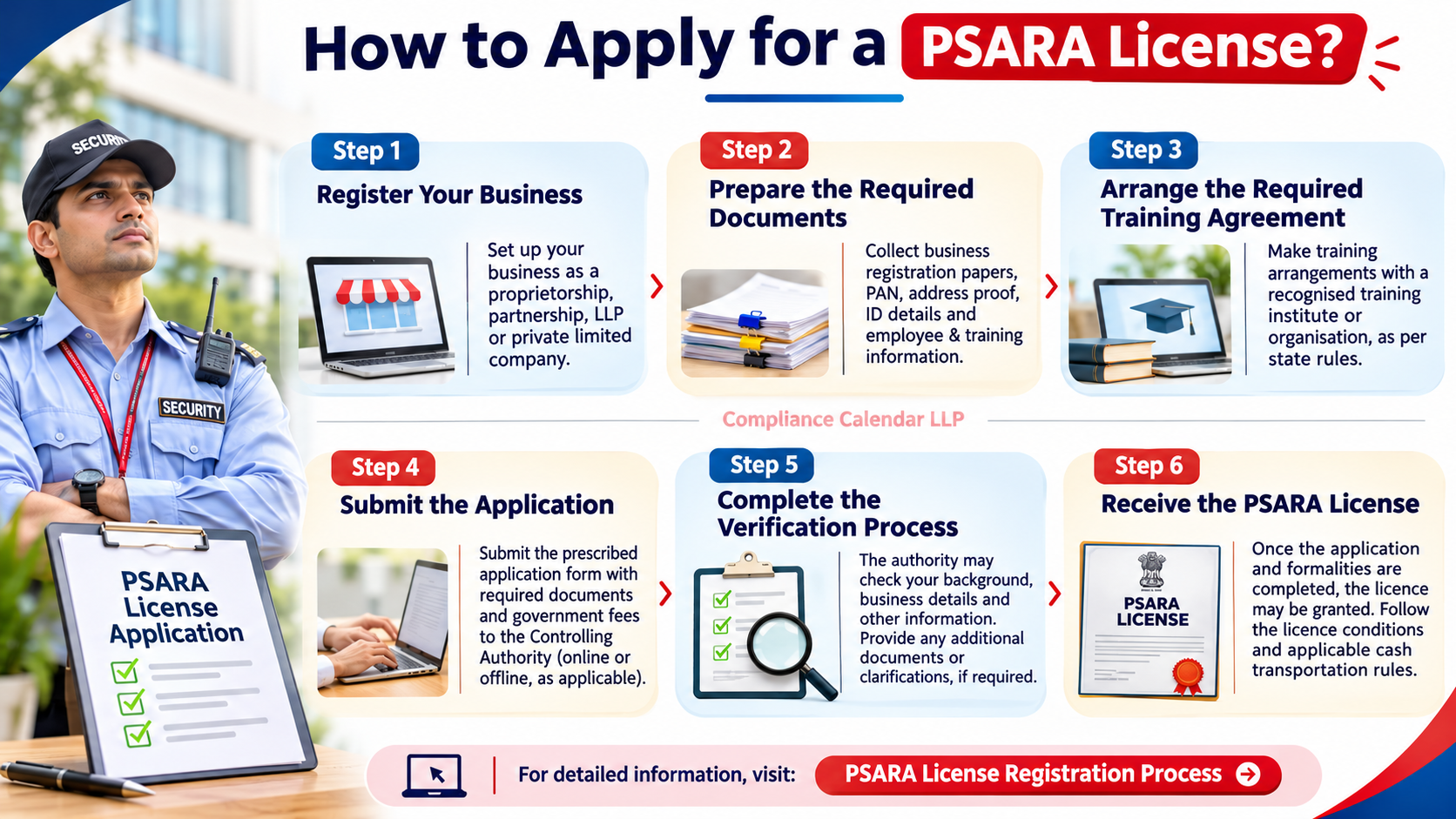
The PSARA License application is submitted to the Controlling Authority of the state or Union Territory where the agency wants to operate. The application process may differ from one state to another, but the main steps are generally similar.
Step 1: Register Your Business
First, establish your business as a legally recognised entity. Depending on your business plan, you may choose a proprietorship, partnership, LLP or private limited company.
Step 2: Prepare the Required Documents
Collect the business registration documents, PAN, address proof and identity details of directors or partners. Also prepare the employee and training-related information required for the application.
Step 3: Arrange the Required Training Agreement
The PSARA framework requires agencies to meet the applicable training conditions. This includes making the required arrangements with a recognised training institute or organisation, as applicable under the state rules.
Step 4: Submit the Application
Submit the prescribed application form with the required documents and applicable government fees to the concerned Controlling Authority. Follow the online or offline process available in the relevant state.
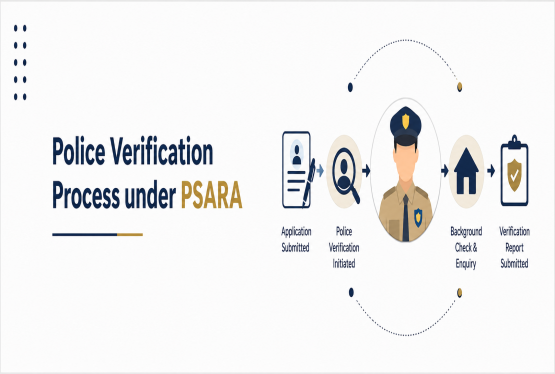
Step 5: Complete the Verification Process
The authority may check the applicant's background, business details and other information. If any additional document or clarification is required, the applicant must provide it.
Step 6: Receive the PSARA License
After checking the application and completing the required formalities, the authority may grant the licence if the applicant meets the conditions. The agency must follow the licence conditions and applicable cash transportation rules before providing the relevant services.
For detailed information kindly visit : PSARA License Registration Process
Difference Between PSARA License and RBI Requirements
Cash transportation agencies working with banks should understand that a PSARA License and RBI requirements are not the same.
A PSARA License is permission to operate a private security agency under the PSARA Act. RBI guidelines provide additional standards for banks when they engage cash management and transportation service providers.
For example, RBI's 2018 guidelines for banks included standards such as:
|
Requirement |
RBI Guideline for Bank Engagement |
|
Minimum Net Worth |
Rs 100 crore for the service provider. |
|
Cash Van Fleet |
Minimum 300 specially fabricated cash vans. |
|
Vehicle Monitoring |
GPS-enabled cash transportation vehicles. |
|
Employee Safety |
Trained and verified employees. |
|
Cash Handling |
Proper cash management and security arrangements. |
These are standards under the RBI framework for service providers engaged by banks. They are not general eligibility conditions for every business applying for a PSARA License.
This difference is important for new businesses. Getting a PSARA License does not automatically mean that the agency meets every requirement for becoming a cash management service provider for a bank.
Common Mistakes Cash Transportation Agencies Should Avoid
Getting a PSARA License is only the first step. Cash transportation agencies must also maintain proper security arrangements while carrying cash from one place to another. Even small mistakes in daily operations can create safety risks and compliance problems.
|
Common mistake |
What should the agency do? |
|---|---|
|
Using ordinary or unsuitable vehicles |
Use cash vans that meet the applicable vehicle and security requirements. |
|
Deploying staff without verification |
Complete the required police verification and background checks before assigning duties. |
|
Hiring staff without proper training |
Make sure drivers, guards and cash handlers receive the required training for their roles. |
|
Not checking GPS systems |
Keep GPS tracking and vehicle monitoring systems working during every trip. |
|
Carrying more cash than permitted |
Follow the applicable cash-carrying limits for each vehicle and trip. |
|
Ignoring cash storage safety |
Keep cash in secure storage areas that meet the prescribed safety conditions. |
|
Starting operations without a licence |
Obtain the required PSARA License before providing private security services. |
A simple point to remember: A licence alone does not make a cash transportation business secure. Proper vehicles, trained employees, regular monitoring and safe cash handling must be part of its everyday operations.
For Avoid these Mistakes read our detailed Article : PSARA License Common Mistakes
How Compliance Calendar LLP Can Help with PSARA License
Starting a cash transportation agency involves more than arranging vehicles and hiring security guards. Businesses must understand the licensing process, prepare the required documents and follow the applicable security rules.
Compliance Calendar helps businesses understand PSARA licensing requirements and provides assistance with the application process. Our team can guide you on business eligibility, document preparation, application submission and state-specific licensing requirements.
If you are planning to start a cash transportation agency or already provide these services, getting the licensing requirements checked at the right time can help you avoid unnecessary delays and compliance problems.
Need help with PSARA License for your cash transportation agency?
Contact Compliance Calendar at +91 9988424211 or info@ccoffice.in for expert assistance.
Frequently Asked Questions (FAQs)
1. Is a PSARA License mandatory for cash transportation agencies?
Yes. A private security agency providing security for cash transportation activities must hold a valid PSARA License. It must also follow the Private Security Agencies (Private Security to Cash Transportation Activities) Rules, 2018.
2. What is the full form of PSARA?
PSARA stands for the Private Security Agencies (Regulation) Act, 2005. It is the law that regulates private security agencies and their activities in India.
3. Which agencies need a PSARA License for cash transportation?
Agencies providing private security for cash transportation, including cash-in-transit companies, ATM cash replenishment agencies and cash management service providers, must meet the applicable PSARA licensing requirements.
4. How many security guards are required in a cash van?
Under the 2018 Cash Transportation Rules, the prescribed minimum team includes two trained armed security guards, one driver and two ATM officers or cash custodians.
5. Is GPS tracking compulsory for cash transportation vehicles?
Yes. Cash vans used for cash transportation activities must have GPS tracking systems and the required monitoring arrangements.
6. What is the maximum cash limit in one cash van?
Under the 2018 Rules, a single cash van cannot carry more than Rs 5 crore in one trip. A secured cash van is required when the amount exceeds Rs 10 lakh.
7. Is police verification required for cash transportation employees?
Yes. Employees must undergo the required background checks, including police verification and address checks, along with other checks prescribed under the rules.
8. Can a cash transportation agency work without a PSARA License?
An agency cannot provide private security for cash transportation activities without the required PSARA License. Providing such services without a licence can lead to legal action.
9. Is a PSARA License the same as RBI approval for cash transportation agencies?
No. A PSARA License allows an eligible private security agency to operate under the PSARA framework. RBI guidelines set additional standards for banks when selecting cash management service providers.
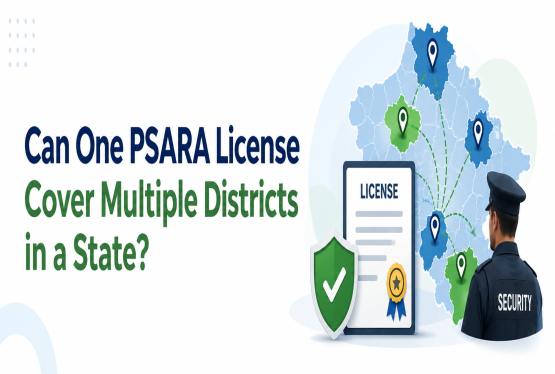
10. Is a separate PSARA License required for each state?
PSARA licensing is handled by the concerned State or Union Territory Controlling Authority. The licence must cover the geographical area in which the agency is permitted to operate. Businesses planning to work in multiple states should check the applicable licensing requirements for each state.
Article last updated on : 09 Nov 2026.










_learn_crop10_thumb.jpg)