


Coffee Board Registration in India is an important legal requirement for businesses planning to export coffee from India to international markets. Whether a business exports green coffee beans, roasted coffee, instant coffee or specialty coffee, it must understand the registration and export authorisation requirements prescribed by the Coffee Board of India.
India is among the world's recognised coffee-producing countries, with Karnataka, Kerala and Tamil Nadu contributing significantly to domestic production. The growing international demand for Indian coffee creates opportunities for manufacturers, traders, coffee growers and export businesses. However, exporting coffee requires proper documentation, regulatory approvals and compliance with Indian foreign trade laws.
Under the Coffee Act, 1942, commercial coffee exports are regulated by the Coffee Board of India. Businesses intending to export coffee should understand the requirements for a Coffee Board License ,Registration-cum-Membership Certificate (RCMC Registration) , Import Export Code (IEC) and applicable shipment-specific permits.
What is Coffee Board Registration in India?
Coffee Board Registration is the process through which a business registers with the Coffee Board of India to undertake regulated coffee export activities. The Coffee Board is a statutory organisation established under the Coffee Act, 1942, functioning under the Ministry of Commerce and Industry, Government of India.
The Board promotes coffee production, research, quality improvement, domestic consumption and international trade. It also administers important regulatory procedures concerning the export of Indian coffee.
For coffee exporters, registration is generally associated with two related requirements:
-
Exporter Registration: Registration of the business with the Coffee Board as an authorised coffee exporter.
-
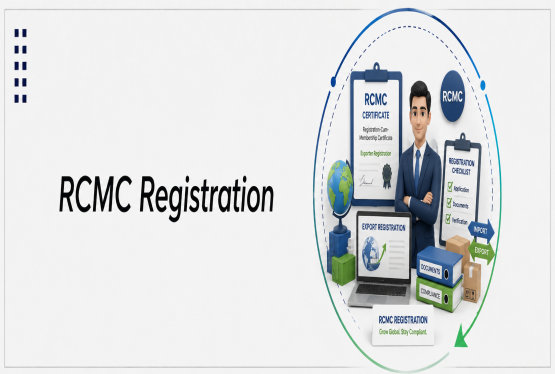
Registration-cum-Membership Certificate (RCMC): A certificate recognising the business's registration and membership with the relevant commodity board.
Is Coffee Board Registration Mandatory in India?
Yes. Businesses intending to undertake commercial coffee exports from India generally need to register with the Coffee Board and obtain the authorisations required under the Coffee Act and applicable rules. Section 20 of the Coffee Act, 1942 regulates the export of coffee. Therefore, an exporter should not assume that an IEC issued by the Directorate General of Foreign Trade is sufficient for all coffee export transactions. However, Coffee Board exporter registration is not automatically mandatory for every business that sells coffee within India.
|
Nature of business |
Coffee Board exporter registration |
|
Export of green coffee beans |
Generally required |
|
Export of roasted or ground coffee |
Generally required |
|
Export of instant coffee |
Generally required |
|
Export of specialty coffee |
Generally required |
|
Domestic coffee retail shop |
Not required solely for domestic retail |
|
Café or coffee restaurant |
Not required solely for serving coffee |
|
Coffee plantation owner |
Separate grower-related requirements may apply |
|
Coffee-curing business |
Separate curing-establishment licensing requirements may apply |
For example, a Delhi-based company selling packaged coffee through domestic e-commerce platforms does not automatically need Coffee Board exporter registration merely because it sells coffee. However, if the company starts exporting packaged coffee to international customers, it must assess Coffee Board registration and the applicable export permits. This distinction is important because domestic food business registrations and coffee exporter authorisations serve different legal purposes.
Legal Provisions Governing Coffee Board Registration in India
Coffee Board Registration is governed by commodity-specific legislation, foreign trade laws and other regulations applicable to export transactions.
Coffee Act, 1942
The Coffee Act, 1942 is the principal legislation regulating the Coffee Board and important activities connected with the Indian coffee industry.
Some relevant provisions are:
-
Section 4: Provides for the constitution of the Coffee Board.
-
Section 14: Deals with the registration of owners of coffee estates.
-
Section 20: Regulates authorisation for coffee exports.
-
Section 28: Addresses licensing requirements for coffee-curing establishments.
Section 20 is particularly important for exporters because it establishes the statutory basis for regulating coffee exports from India.
Coffee Rules, 1955
The Coffee Rules, 1955, as amended, prescribe procedures for implementing the Coffee Act. Rule 44 is particularly relevant to export authorisations and the issuance of permits. The Coffee Board issues applicable export permits and International Coffee Organization (ICO) Certificates of Origin to registered exporters.
Foreign Trade (Development and Regulation) Act, 1992
This Act provides the legal basis for India's import and export regulation. It governs the Import Export Code system and authorises the Central Government to formulate foreign trade policies.
Foreign Trade Policy, 2023
The Foreign Trade Policy, 2023, as amended, establishes provisions concerning exporter registration, RCMC and access to relevant foreign trade authorisations, concessions and benefits. Businesses can also review the requirements for RCMC Registration to understand how commodity boards and export promotion bodies operate under India's foreign trade system.
Customs Act, 1962 and Other Applicable Laws
Coffee exporters must comply with applicable customs requirements, GST provisions, foreign exchange regulations and food safety requirements. The precise obligations depend on the coffee product, nature of processing, shipment arrangements and importing country's requirements.
Who is Eligible for Coffee Board Registration?
Coffee Board Registration is available to eligible businesses legally established in India that intend to undertake coffee exports. The following business structures may apply, subject to the prescribed registration requirements:
-
Sole proprietorship firms
-
Partnership firms
-
Public limited companies
-
Other legally recognised entities eligible to undertake coffee exports
Applicants should ordinarily have an active Import Export Code, valid business identification documents, a bank account and a properly authorised representative. Both merchant exporters and manufacturer exporters may seek registration, subject to the applicable conditions.
A merchant exporter purchases coffee from producers or suppliers and exports it under commercial arrangements. A manufacturer exporter processes or manufactures coffee products and exports them directly. The applicant must accurately identify the nature of its business and products. Incorrect declarations about manufacturing status, ownership or product categories can create problems during application scrutiny.
Documents Required for Coffee Board Registration in India
Applicants should prepare their business and financial documents before filing the registration application.
The documents may differ depending on the business constitution, applicant category and current Coffee Board requirements.
|
Document |
Purpose |
|
PAN card |
Identity and tax verification |
|
Import Export Code (IEC) |
Exporter identification |
|
GST registration certificate |
Tax registration, where applicable or requested |
|
Certificate of Incorporation |
Proof of company or LLP registration |
|
Constitutional documents for companies |
|
|
Partnership deed or LLP agreement |
Business constitution |
|
Registered office address proof |
Address verification |
|
Bank performance letter or certificate |
Banking and financial verification |
|
Authorised signatory details |
Identification of representative |
|
Board resolution or authorisation letter |
Authority to submit application |
|
Financial statements, where requested |
Financial background |
|
FSSAI or relevant MSME documents, where requested |
Supporting records for relevant manufacturing activities |
|
Existing registration certificate |
Renewal or revival applications |
The Coffee Board's published registration documents also refer to photographs, specimen signatures and additional financial records. However, applicants should check the current online application requirements rather than relying exclusively on older paper-based checklists.
New businesses can consult the RCMC Registration Checklist for New Export Businesses to understand common requirements relating to IEC, PAN, legal constitution and authorisation documents. All documents should contain consistent details. Differences in the business name, registered address or IEC information may result in objections or additional clarification requests.
Coffee Board Registration Process in India – Step by Step
The Coffee Board currently directs applicants to the National Single Window System (NSWS) for online RCMC registration. The step-by-step registration process is explained below:
|
Step |
Process |
Description |
|---|---|---|
|
Step 1 |
Establish Business and Obtain IEC |
Register your business and obtain an Import Export Code (IEC) from DGFT. |
|
Step 2 |
Access the NSWS Portal |
Visit the official NSWS website and create or log in to your business account. |
|
Step 3 |
Select Coffee Board Approval |
Search for the applicable Coffee Board registration or RCMC service on the portal. |
|
Step 4 |
Complete Application and Upload Documents |
Enter business details and upload the required documents, including IEC, PAN and business registration records. |
|
Step 5 |
Pay Fees and Complete Verification |
Pay the applicable government fees and respond to any clarification or document requests from the authority. |
|
Step 6 |
Obtain Registration and RCMC |
After successful verification and approval, receive the Coffee Board registration and RCMC certificate. |
|
Step 7 |
Apply for Export Permits |
Apply for shipment-specific export permits and the applicable ICO Certificate of Origin before exporting coffee. |
Step 1: Establish the Business and Obtain IEC
The applicant should first ensure that its business is legally established and registered with the appropriate authorities. An Import Export Code issued by DGFT is generally necessary for commercial exports, subject to statutory exemptions. Before proceeding, applicants should verify that the IEC, PAN, business name and registered office address are accurate and consistent.
Step 2: Visit the Official Application Portal
Access the National Single Window System and create or sign in to the relevant business account. Applicants can locate the applicable Coffee Board registration or RCMC service through the available approval search.
Step 3: Complete the Registration Application
Enter the required details, including business name, constitution, IEC, PAN, contact information, authorised signatory and proposed coffee export activity. The information should accurately reflect the applicant's actual business operations.
Step 4: Upload the Required Documents
Upload the relevant documents in the format specified by the online system. Documents should be readable, valid and appropriately signed or certified wherever required.
Step 5: Pay the Applicable Fees
Pay the prescribed registration or membership charges through the payment method provided. Keep the transaction receipt and application acknowledgement for future reference.
Step 6: Verification and Approval
The Coffee Board reviews the submitted application and supporting documents. If the authority requests clarification or additional records, the applicant must respond through the prescribed process. After approval, the applicant receives the applicable registration and RCMC.
Step 7: Apply for Export Permits
Following registration, exporters must apply for relevant shipment-specific permits, including Form-C and the ICO Certificate of Origin, as applicable. The Coffee Board provides an electronic permit facility for registered exporters. For broader guidance about the membership application process, exporters can also read How to Apply for RCMC Registration Online in India. The Coffee Board's specific portal instructions take precedence for coffee registrations.
Coffee Board Registration Fees in India (2026)
The cost of Coffee Board Registration depends on the type of registration, applicable membership charges and any additional services required. The Coffee Board's published export registration document specifies the following charges:
|
Particulars |
Published government fee |
|
Coffee exporter registration |
Rs 5,000 |
|
Exporter registration renewal |
Rs 5,000 |
|
RCMC issuance |
Rs 1,000 |
|
Historical manual application form charge |
Rs 100 per form, where applicable |
Based on these published charges, the combined registration and RCMC issuance fees amount to Rs 6,000, before any applicable taxes or additional charges.
Important clarification for 2026: The published fee document describes an older registration procedure. A separate updated 2026 fee schedule was not independently verified. The payable amount shown on the current official portal should therefore be confirmed before filing. Professional consultancy fees, if applicable, are separate from government fees. The total cost may also vary depending on additional export documentation, banking arrangements, product-specific permissions and other compliance requirements.
8. Coffee Board Registration Validity and Renewal
Coffee Board registration must remain valid during the period in which the exporter undertakes regulated activities. The Coffee Board's current exporter webpage states that registration with RCMC is valid for three years from the date of registration. However, an older Coffee Board registration document separately describes a three-year exporter registration and a five-year RCMC validity period.
General DGFT RCMC provisions also refer to five financial years, unless a different period is prescribed. Because these published statements differ, exporters should rely on the validity and expiry dates specified on their actual certificates and the latest applicable authority instructions.
How to Renew Coffee Board Registration
Exporters should take the following steps before expiry:
-
Review the certificate expiry date and applicable renewal conditions.
-
Check whether any business details have changed.
-
Prepare the existing certificate, updated IEC, GST and other prescribed documents.
-
Submit the renewal or revival application through the applicable official system.
-
Pay the prescribed renewal fees and respond to any deficiencies.
Businesses should not wait until the last day to apply. Delayed renewal can affect their ability to obtain required export authorisations.
Difference Between Coffee Board Registration, IEC and RCMC
New exporters often confuse Coffee Board Registration, Import Export Code and RCMC. Although these requirements are connected, they serve different purposes.
|
Particulars |
Coffee Board Registration |
IEC |
RCMC |
|
Purpose |
Registration of coffee exporter |
Import-export identification |
Registration and membership recognition |
|
Authority |
Coffee Board |
DGFT |
Relevant export authority, including Coffee Board |
|
Applicable activity |
Coffee exports |
Imports and exports generally |
Sector-specific membership and applicable FTP purposes |
|
Export permit included? |
No automatic shipment authorisation |
No |
No |
|
Validity |
As prescribed by Coffee Board |
Subject to IEC maintenance rules |
As specified by issuing authority |
For example, a company exporting roasted coffee to Germany generally needs an active IEC, the applicable Coffee Board registration and shipment-specific export permits, along with any other statutory documentation. Businesses starting international trading activities can read Planning to Export? Start with RCMC Registration to understand the relationship between commodity-board membership and foreign trade requirements.
Compliance Requirements After Coffee Board Registration
Obtaining registration is an important first step, but exporters must continue complying with applicable requirements for every relevant transaction.
Coffee Export Permit and Certificate of Origin
The Coffee Board issues export permits and ICO Certificates of Origin to registered exporters against the applicable applications. Exporters should ensure that the product description, grade, quantity, destination and other details match the export documentation.
Submission of Post-Shipment Documents
According to the Coffee Board's current exporter guidance, post-shipment documents must be furnished within 45 days from the date of issue of the export permit. The relevant documents include endorsed permits, bills of lading, certificates of origin and applicable FOB value details. This current guidance should take precedence over older Coffee Board documents containing different post-shipment timelines.
Reporting Changes in Business Particulars
Changes in ownership, business constitution, name or address must be intimated to the Coffee Board within one month from the date of the change, according to its published exporter instructions.
Customs and AD Code Compliance
Coffee exporters must also fulfil applicable customs requirements. An AD Code Registration helps establish the necessary link between an exporter's authorised dealer banking details and relevant customs procedures. For businesses unfamiliar with this process, the article How to Apply for AD Code Registration Online in 2026 explains the applicable ICEGATE procedure and documentation.
Product Quality and Packaging Requirements
Exporters should correctly identify the coffee type, grade and product category. Depending on the shipment, they must also comply with relevant food safety, labelling, packaging, testing and importing-country requirements. These obligations are separate from the Coffee Board Registration certificate.
Latest Coffee Board Registration Updates in 2026
Coffee exporters should remain informed about digital registration procedures, government notifications and export development measures.
Online RCMC Registration Through NSWS
The Coffee Board's official exporter page directs businesses to NSWS for online registration. Applicants should follow the current digital process rather than relying on older paper application methods.
Electronic Export Permit Facility
Registered exporters can apply electronically for relevant export permits. The electronic process supports the submission and processing of shipment-related applications. However, digital registration does not eliminate the exporter’s statutory responsibilities concerning correct declarations and supporting documentation.
October 2026: Coffee Development Scheme Notices
On 28 October 2026, the Coffee Board published notices concerning the continuation of the Integrated Coffee Development Project during the remaining Fifteenth Finance Commission period up to 2026–27. These notices include guidelines relating to coffee-curing units and roasted-and-ground coffee activities. Such initiatives may support eligible industry participants, but they should not be treated as exemptions from mandatory exporter registration.
Export Requirements for Coffee Premixes and Flavoured Products
The Coffee Board provides product-specific guidance concerning flavoured coffees and coffee premixes. Businesses dealing in these products should verify whether the applicable documentation requires an export permit or no-objection certificate based on product classification and composition.
Important Regulatory Position for 2026
The core requirements under the Coffee Act, 1942 and the applicable Coffee Rules continue to be relevant. No verified 2026 notification removing the general requirement for Coffee Board exporter registration was identified in this review. Exporters should refer to current Coffee Board notices and DGFT updates before filing.
Benefits of Coffee Board Registration in India
Coffee Board Registration offers several benefits to businesses planning to export coffee from India. It not only helps exporters fulfil their statutory obligations but also provides access to important export documentation, industry information and promotional opportunities. For coffee growers, merchant exporters, manufacturers and coffee trading businesses, registration is an important step towards entering international markets in an organised and legally compliant manner.
Legal Recognition and Regulatory Compliance
One of the primary benefits of Coffee Board Registration is that it helps businesses comply with the Coffee Act, 1942 and applicable export regulations. Registration establishes the business as a recognised coffee exporter with the Coffee Board of India. It enables the exporter to apply for the necessary shipment-related authorisations.
Key benefits include:
-
Helps fulfil applicable statutory requirements for coffee exports.
-
Establishes the business's registration with the Coffee Board.
-
Supports compliance with the relevant coffee export procedures.
-
Reduces the risk of avoidable regulatory objections and shipment delays.
Access to Export Permits and Certificates of Origin
Registered coffee exporters can apply for the required export permits and International Coffee Organization (ICO) Certificates of Origin. These documents play an important role in coffee export transactions because they help identify the coffee shipment and support compliance with applicable export requirements. Important advantages include:
-
Ability to apply for shipment-specific coffee export permits.
-
Access to the applicable ICO Certificate of Origin.
-
Better organisation of export documentation.
-
Support for completing relevant customs and shipment procedures.
However, exporters must obtain the required authorisations for each applicable shipment. Registration alone does not automatically authorise every export transaction.
Access to Coffee Market Information and Export Opportunities
The Coffee Board collects and publishes information relating to the coffee industry, including production, export performance, market developments and promotional activities. Access to this information can help businesses understand international market conditions and make informed commercial decisions. For example, a business exporting Arabica coffee may use available market information to understand overseas demand, identify potential destinations and assess product positioning.
Exporters may benefit from:
-
Information on international coffee markets.
-
Updates on coffee export trends and trade developments.
-
Awareness of product quality requirements.
-
Information about Coffee Board promotional programmes.
Such information is useful for both new exporters and established businesses planning to expand their international operations.
Participation in Coffee Industry Promotion Activities
The Coffee Board undertakes promotional initiatives to improve the visibility of Indian coffee in domestic and international markets. These activities may include trade exhibitions, industry events, buyer-seller interactions and programmes promoting Indian coffee varieties. Eligible registered businesses may have opportunities to participate in relevant initiatives, subject to the conditions of each programme.
Potential benefits include:
-
Exposure to international coffee industry events.
-
Opportunities to connect with potential buyers and distributors.
-
Greater awareness of Indian coffee branding and quality initiatives.
-
Access to information about applicable export promotion programmes.
Participation in a particular event, financial assistance scheme or promotional activity is not automatically guaranteed by registration.
Better Business Credibility and Export Documentation
Coffee Board Registration can help a business present itself as a formally registered exporter when dealing with overseas buyers, importers and commercial partners. A valid registration certificate, together with accurate business records and shipment documents, demonstrates that the business has taken steps to meet applicable regulatory requirements. Registration also encourages businesses to maintain organised records relating to their export activities.
This may help exporters with:
-
Maintaining consistent business and product information.
-
Preparing documents for export transactions.
-
Responding to regulatory or buyer verification requests.
-
Tracking certificate validity and shipment requirements.
New exporters can also refer to the RCMC Registration Checklist for New Export Businesses to understand the documentation and registration requirements involved in starting an export business.
Support for Long-Term Export Business Growth
Coffee Board Registration forms part of the regulatory foundation for businesses intending to develop long-term coffee export operations. For example, a small coffee processing company planning to export roasted coffee to the UAE or Europe can begin by obtaining the necessary registrations, understanding export documentation and establishing consistent shipment procedures.
Awareness of Government Schemes and Industry Development Initiatives
The Coffee Board implements and supports various programmes concerning coffee cultivation, quality improvement, processing, marketing and industry development. Depending on the scheme, eligible coffee growers, processors or other industry participants may receive access to assistance or developmental support.
However, Coffee Board Registration does not automatically make an exporter eligible for subsidies, financial assistance or export incentives. Every scheme has separate conditions relating to the applicant, activity, investment and available funding. Exporters should regularly review official Coffee Board notifications to identify applicable opportunities.
Common Mistakes to Avoid During Coffee Board Registration
Some businesses face application delays because of incomplete documents or misunderstandings about export approvals. Common mistakes include submitting mismatched IEC and PAN information, selecting an incorrect product category, uploading outdated or unreadable documents and failing to provide evidence of signatory authorisation.
Exporters should also avoid confusing RCMC with shipment-specific export permits. A valid membership certificate does not automatically authorise every consignment. Other common issues include failing to monitor certificate expiry, overlooking post-shipment reporting, not updating business details and relying on outdated fee schedules. A business can reduce these risks by reviewing the application thoroughly, maintaining a compliance calendar and checking official Coffee Board notices before undertaking shipments.
Conclusion
Coffee Board Registration in India is an essential compliance requirement for businesses planning to export Indian coffee to international markets. Whether the applicant is a merchant exporter, manufacturer exporter or established coffee trading company, understanding the legal requirements is important for smooth export operations.
The registration process involves preparing business documents, obtaining IEC, submitting the Coffee Board application, paying applicable fees and securing relevant export authorisations. Exporters must also maintain accurate records, comply with product quality requirements and submit prescribed shipment documentation.
In 2026, businesses should follow the Coffee Board's current digital registration process and monitor official regulatory updates. Proper compliance helps reduce documentation problems, avoid unnecessary delays and support the long-term growth of coffee export operations.
Frequently Asked Questions (FAQs)
Q1. Is Coffee Board Registration mandatory to export coffee from India in 2026?
Ans: Yes. Businesses planning to commercially export coffee from India generally need Coffee Board exporter registration and applicable export authorisations under the Coffee Act, 1942. This includes exporters of green coffee beans, roasted coffee and instant coffee. An IEC alone does not replace Coffee Board requirements.
Q2. How can I apply for Coffee Board Registration online in 2026?
Ans: Applicants can apply through the National Single Window System (NSWS). They must select the relevant Coffee Board registration service, complete the application, upload the required documents and pay applicable charges. After successful verification and approval, the applicant receives the relevant registration and RCMC.
Q3. What is the total government fee for Coffee Board Registration in 2026?
Ans: The Coffee Board's published fee document specifies Rs 5,000 for exporter registration and ?1,000 for RCMC issuance, totalling Rs 6,000. However, these are published reference charges, not independently verified updated 2026 rates. Applicants should confirm the actual payable fees through the official portal. Export permit and certificate-related charges may apply separately.
Q4. Can I export coffee from India without a Coffee Board RCMC certificate?
Ans: An exporter should not assume that IEC alone is sufficient to export coffee. Commercial coffee exports generally require Coffee Board registration, applicable RCMC and shipment-specific export authorisations, subject to legal exceptions. RCMC establishes relevant commodity-board membership, while export permits authorise applicable coffee shipments.
Q5. What documents are required for Coffee Board RCMC Registration?
Ans: Commonly required documents include IEC, PAN, business registration certificate, constitutional documents, address proof, bank details and authorised signatory records. GST details, financial statements or additional supporting documents may be requested depending on the applicant and current portal requirements. Applicants should follow the document checklist displayed during registration.
Q6. How long is Coffee Board Registration valid, and when should I renew it?
Ans: The Coffee Board's current exporter webpage states that registration with RCMC is valid for three years from registration. However, older Coffee Board documentation and general DGFT RCMC provisions refer to different validity periods. Exporters should therefore check the expiry date printed on their certificate and initiate renewal before it expires.
Q7. Can a small business, startup or proprietorship apply for Coffee Board Registration?
Ans: Yes. Eligible proprietorships, partnerships, LLPs and companies can apply for Coffee Board exporter registration. A business does not necessarily need to be a large manufacturer to become an exporter. It must satisfy the applicable registration conditions, maintain an active IEC and provide the prescribed documents.
Q8. Does Coffee Board Registration cover green coffee, roasted coffee and instant coffee exports?
Ans: Coffee Board exporter registration is relevant to exports of green, roasted and instant coffee. However, the applicable export documentation may vary according to the product category. Flavoured coffee, premixes and other coffee-based products may require separate classification checks or specific authorisations before shipment.
Q9. What should I do after receiving Coffee Board Registration and RCMC?
Ans: After registration, exporters must obtain applicable shipment-specific export permits and ICO Certificates of Origin. They must also comply with customs, banking and product-related requirements. The Coffee Board requires prescribed post-shipment documents to be submitted within 45 days from the date of issue of the export permit.
Q10. What happens if I do not renew Coffee Board Registration or violate export rules?
Ans: An expired registration may interrupt the exporter’s ability to obtain required export authorisations. The Coffee Board may also initiate de-registration for violations of applicable registration conditions. Its published procedure provides for a show-cause notice, an opportunity to respond and an appeal process.
Article last updated on : 04 Nov 2026.